Key Identification Features
- The leaves are distinctly crimped or undulating.
For instant identification in the field, use the iNature app — AI-powered, works offline.
Poaceae (Grass Family) is a plant family in the Plantae kingdom, order Poales, class Liliopsida. The family contains 1,057 accepted species worldwide. Some species in this family are toxic — exercise caution when handling unknown specimens.
For instant identification in the field, use the iNature app — AI-powered, works offline.
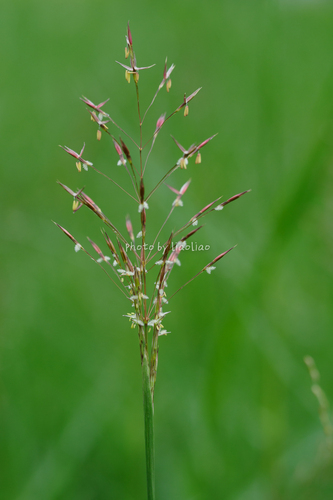
Chrysopogon aciculatus (Retz.) Trin.
Chrysopogon aciculatus is a widespread invasive grass with medicinal uses native…
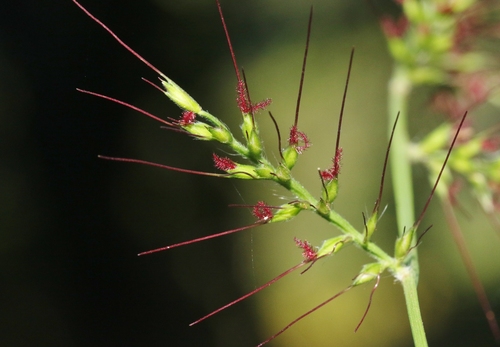
Oplismenus hirtellus (L.) P.Beauv.
Oplismenus hirtellus is a low-growing grass with crimped leaves, sticky purple a…
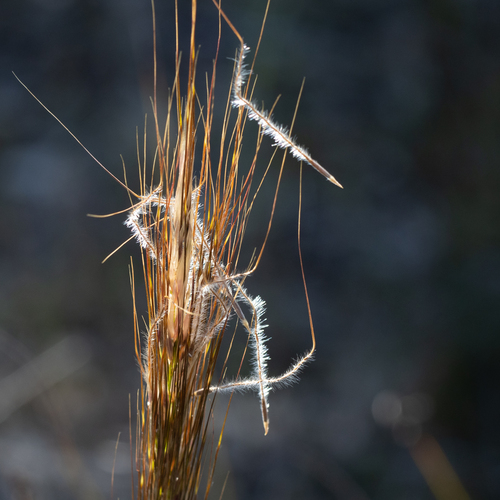
Austrostipa mollis (R.Br.) S.W.L.Jacobs & J.Everett
Austrostipa mollis is a robust perennial tufted grass native to a range of Austr…
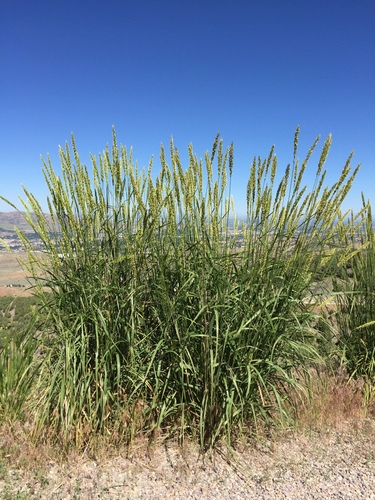
Leymus cinereus (Scribn. & Merr.) Á.Löve
Leymus cinereus is a perennial bunchgrass native to western North America with t…
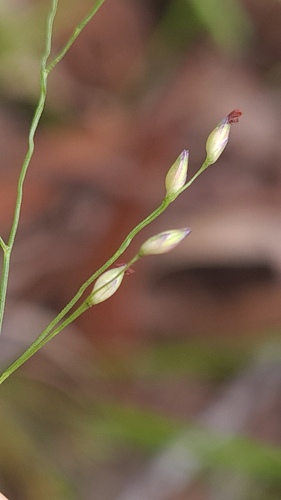
Panicum simile Domin
Two colour panic (Panicum simile Domin) is a grass species found in eastern Aust…
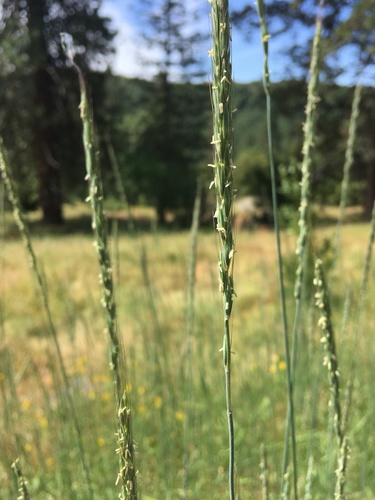
Elymus glaucus Buckley
Elymus glaucus Buckley is a perennial bunch grass native to North America that a…
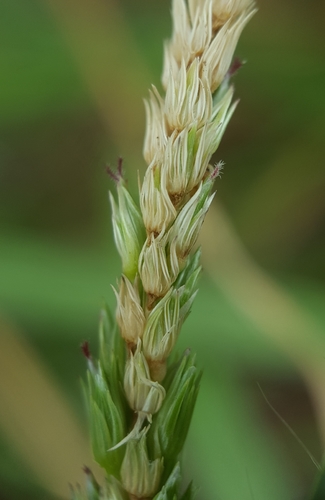
Cenchrus setigerus Vahl
Cenchrus setigerus Vahl, birdwood grass, is a drought-tolerant African-origin gr…
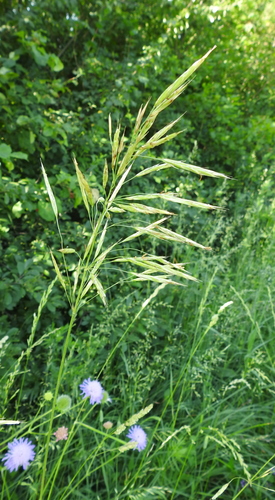
Bromus riparius Rehmann
Bromus riparius is a grass species in Poaceae native from Northern Italy to the …
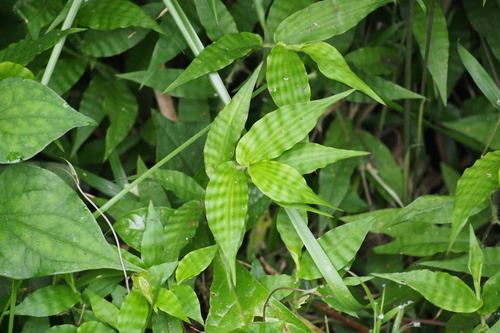
Oplismenus undulatifolius (Ard.) P.Beauv.
Oplismenus undulatifolius is a shade-tolerant perennial grass that serves as a f…
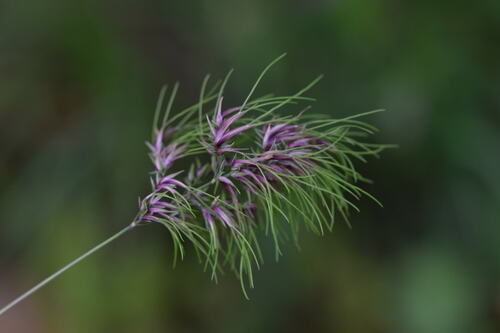
Poa bulbosa L.
Poa bulbosa (bulbous bluegrass) is a widespread Eurasian/North African grass tha…
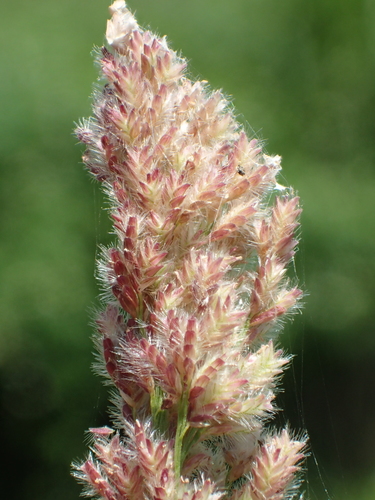
Eragrostis ciliaris (L.) R.Br.
Eragrostis ciliaris, or gophertail lovegrass, is an Old World Tropics native gra…
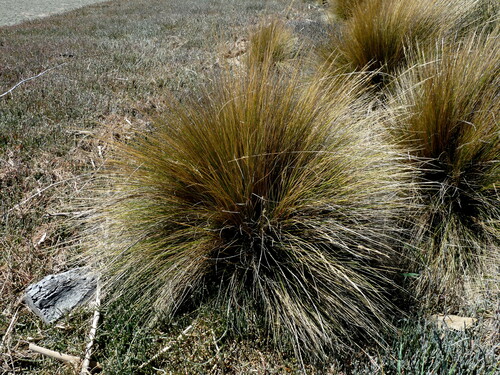
Austrostipa stipoides (Hook.f.) S.W.L.Jacobs & J.Everett
Austrostipa stipoides is a coastal tussock grass native to south-eastern Austral…
Poaceae plants belong to the Poales order in the Plantae kingdom. The leaves are distinctly crimped or undulating. For instant identification, use the iNature app — AI-powered and works offline.
Poaceae is classified in the order Poales, class Liliopsida, phylum Tracheophyta. The family contains 1,057 accepted species worldwide.
Yes, some Poaceae species are toxic or poisonous. Always exercise caution with unknown specimens. View poisonous Poaceae species or browse the full poisonous species guide.
Sources: GBIF, iNaturalist, Wikipedia · Disclaimer
Download iNature for free. 10 identifications on us. No account needed. No credit card required.
Download Free on App Store
