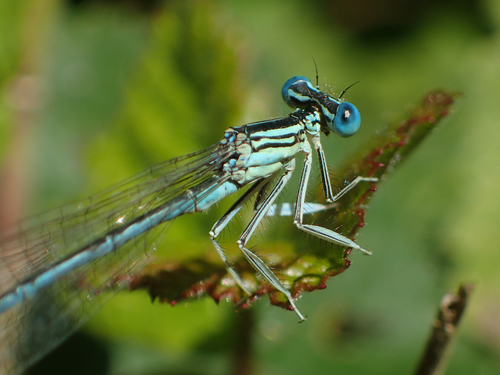
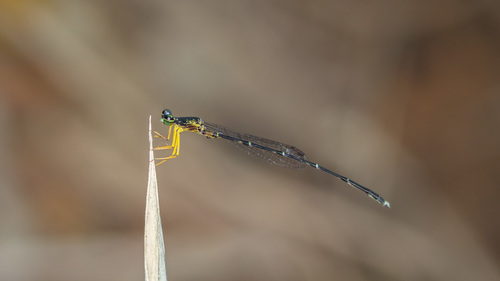
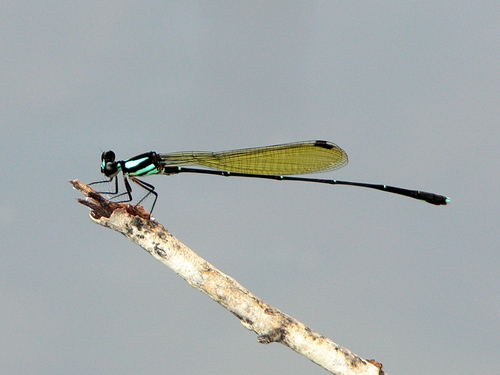
How to Identify Platycnemididae

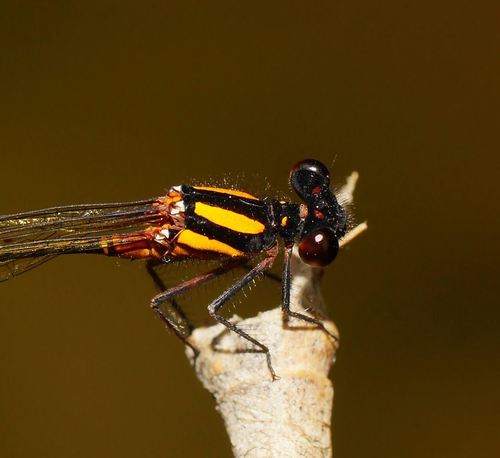
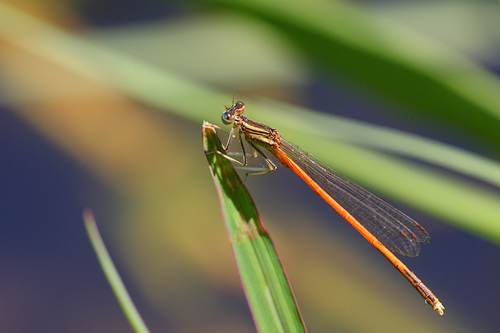
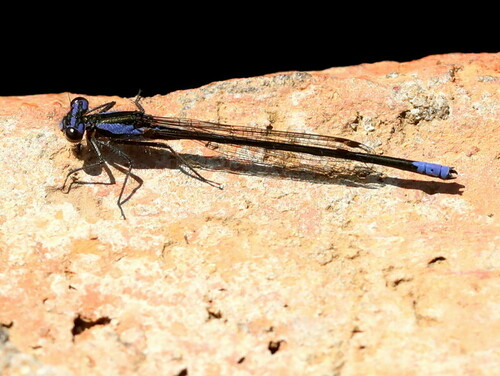
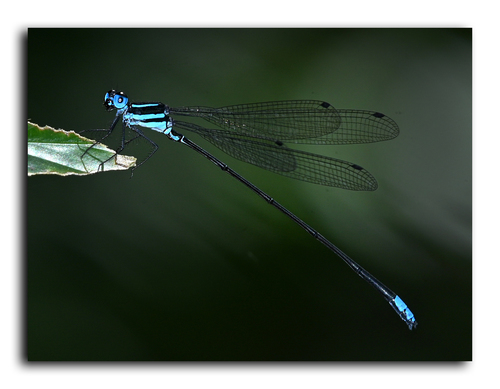
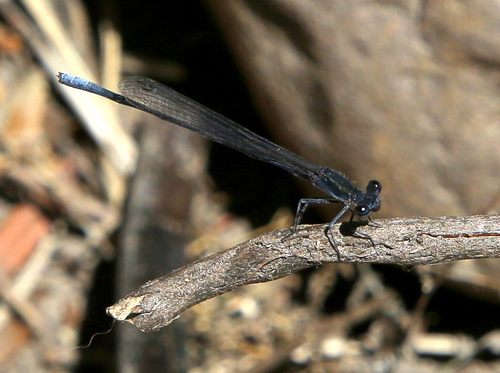
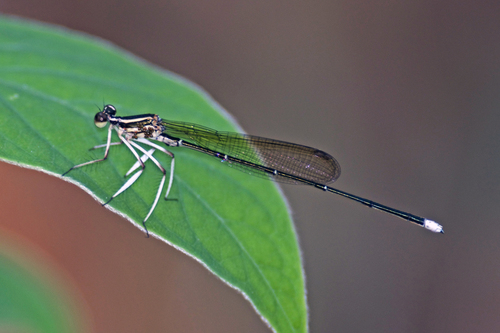
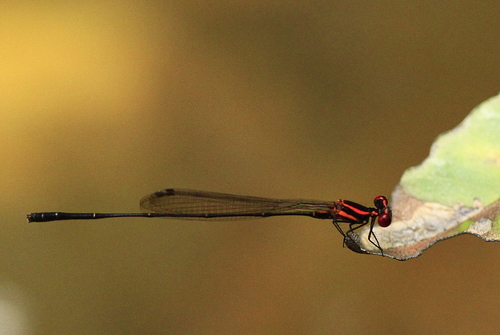
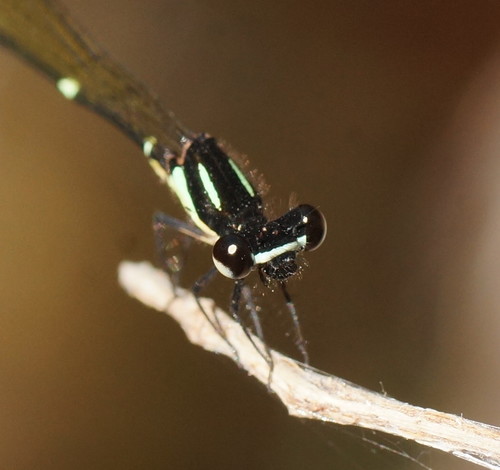
Platycnemididae is a animal family in the Animalia kingdom, order Odonata, class Insecta. The family contains 44 accepted species worldwide.

Key Identification Features

For instant identification in the field, use the iNature app — AI-powered, works offline.
Representative Platycnemididae Species

How to identify Caconeura ramburi (Fraser, 1922)

Caconeura ramburi (Fraser, 1922)

Caconeura ramburi (Fraser, 1922)

Caconeura ramburi is a medium-sized damselfly that breeds in shaded forest strea…

How to identify Nososticta solida Hagen, 1860

Nososticta solida Hagen, 1860

Nososticta solida Hagen, 1860

Nososticta solida, the orange threadtail, is a medium-sized Australian damselfly…

How to identify Platycnemis acutipennis Selys, 1841

Platycnemis acutipennis Selys, 1841

Platycnemis acutipennis Selys, 1841

Platycnemis acutipennis is an endemic southwest European damselfly with distinct…

How to identify Spesbona angusta (Selys, 1863)

Spesbona angusta (Selys, 1863)

Spesbona angusta (Selys, 1863)

Spesbona angusta is a small, temperature-colour-changing damselfly endemic to a …

How to identify Esme mudiensis Fraser, 1931

Esme mudiensis Fraser, 1931

Esme mudiensis Fraser, 1931

Esme mudiensis is a medium-sized damselfly that lives along hill streams in hill…

How to identify Elattoneura frenulata (Hagen, 1860)

Elattoneura frenulata (Hagen, 1860)

Elattoneura frenulata (Hagen, 1860)

Elattoneura frenulata is a small endemic damselfly found in montane stream habit…

How to identify Pseudocopera ciliata (Selys, 1863)

Pseudocopera ciliata (Selys, 1863)

Pseudocopera ciliata (Selys, 1863)

Pseudocopera ciliata, the black-kneed featherlegs, is a white-legged damselfly f…

How to identify Prodasineura verticalis (Selys, 1860)

Prodasineura verticalis (Selys, 1860)

Prodasineura verticalis (Selys, 1860)

Prodasineura verticalis is a medium-sized Asian damselfly found along pond and r…

How to identify Nososticta solitaria (Tillyard, 1906)

Nososticta solitaria (Tillyard, 1906)

Nososticta solitaria (Tillyard, 1906)

Nososticta solitaria, the fivespot threadtail, is a medium-sized Australian dams…

How to identify Platycnemis pennipes (Pallas, 1771)

Platycnemis pennipes (Pallas, 1771)

Platycnemis pennipes (Pallas, 1771)

Platycnemis pennipes is a damselfly that has distinct morphological traits that …

How to identify Copera vittata (Selys, 1863)

Copera vittata (Selys, 1863)

Copera vittata (Selys, 1863)

Copera vittata is a medium-sized damselfly found in undergrowth along hilly rive…

How to identify Nososticta coelestina (Tillyard, 1906)

Nososticta coelestina (Tillyard, 1906)

Nososticta coelestina (Tillyard, 1906)

Nososticta coelestina, the green-blue threadtail, is an Australian medium-sized …

Browse all 44 Platycnemididae species →

Frequently Asked Questions

How do you identify Platycnemididae?

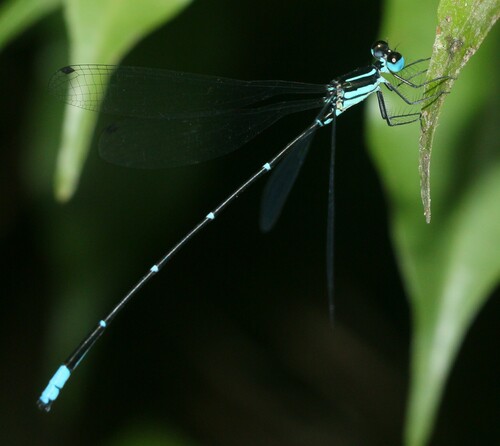
Platycnemididae animals belong to the Odonata order in the Animalia kingdom. The abdomen is dark, and features five prominent pale or green bands; the largest of these bands are located on abdominal segments 5 and 8. For instant identification, use the iNature app — AI-powered and works offline.

What are the key characteristics of Platycnemididae?

Platycnemididae is classified in the order Odonata, class Insecta, phylum Arthropoda. The abdomen is dark, and features narrow pale bands between each of its segments.

Sources: GBIF, iNaturalist, Wikipedia · Disclaimer

Start Exploring Nature Today

Download iNature for free. 10 identifications on us. No account needed. No credit card required.

Download Free on App Store