Key Identification Features
- They have smooth entire margins, are stalkless, and feature a single prominent midrib.
For instant identification in the field, use the iNature app — AI-powered, works offline.
Plantaginaceae is a plant family in the Plantae kingdom, order Lamiales, class Magnoliopsida. The family contains 561 accepted species worldwide. Some species in this family are toxic — exercise caution when handling unknown specimens.
For instant identification in the field, use the iNature app — AI-powered, works offline.
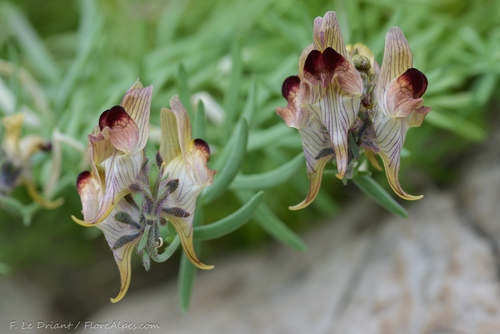
Linaria tristis (L.) Mill.
Linaria tristis is an annual herb native mainly to Iberia that grows in dry open…
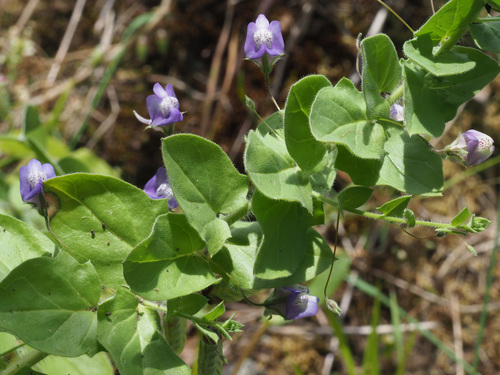
Kickxia commutata (Bernh. ex Rchb.) Fritsch
Kickxia commutata, the Mediterranean fluellen, is a small self-supporting perenn…
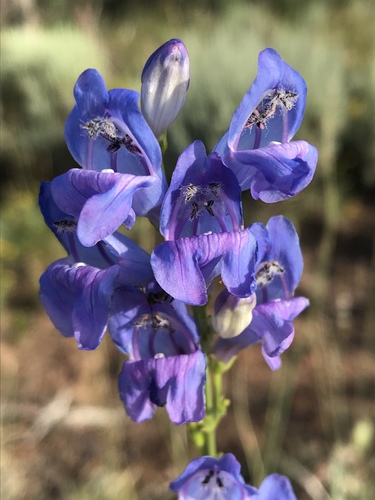
Penstemon strictus Benth.
Rocky Mountain penstemon (Penstemon strictus Benth.) is a perennial ornamental p…
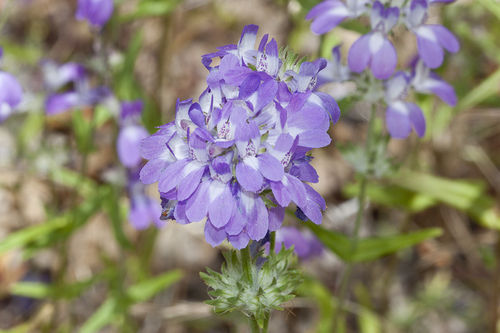
Collinsia concolor Greene
Collinsia concolor Greene is an annual herb with blue to purple two-lipped flowe…
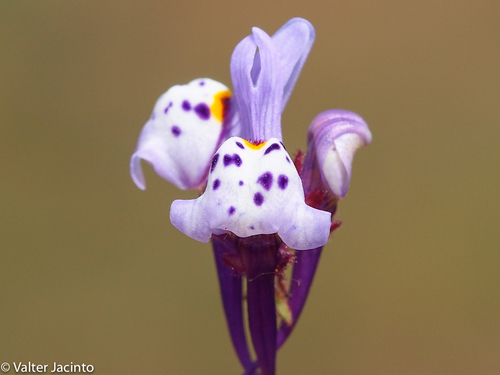
Linaria amethystea (Vent.) Hoffmanns. & Link
Linaria amethystea is a small spring-blooming plant with four subspecies distrib…
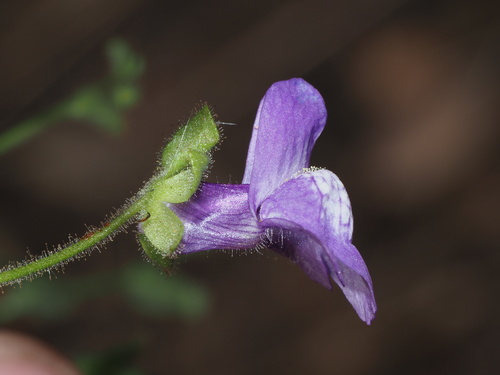
Sairocarpus nuttallianus (A.DC.) D.A.Sutton
Sairocarpus nuttallianus is an annual or biennial herb with glandular hairs and …
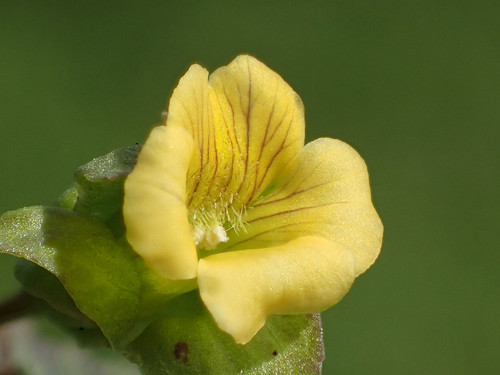
Mecardonia procumbens (Mill.) Small
Mecardonia procumbens is an annual or perennial herb native to the Americas, now…
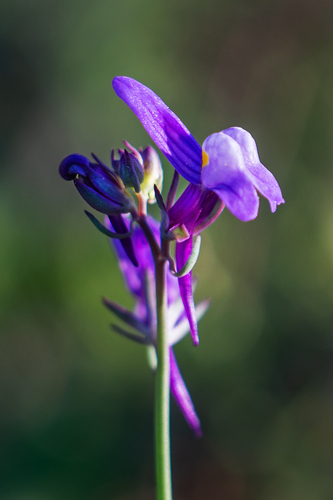
Linaria ricardoi Cout.
Linaria ricardoi Cout. is an annual herb endemic to southern Portugal, that favo…

Penstemon digitalis Nutt.
Penstemon digitalis Nutt. is a North American bearded tongue plant popular in cu…
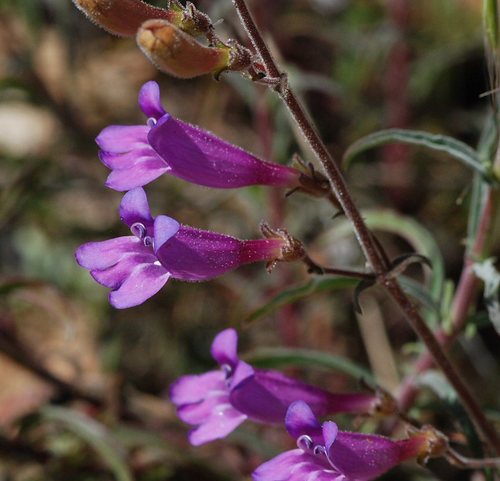
Penstemon laetus A.Gray
Penstemon laetus, commonly mountain blue penstemon, is a perennial herb native t…
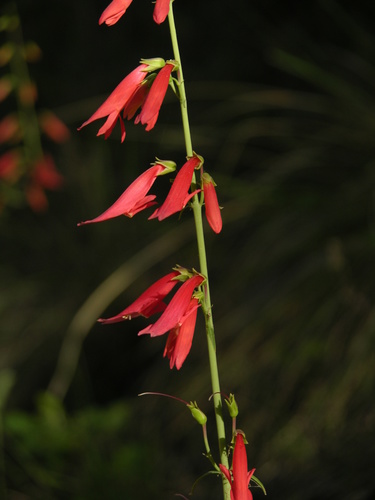
Penstemon barbatus (Cav.) Roth
Penstemon barbatus is a flowering plant native to the southwestern US and much o…
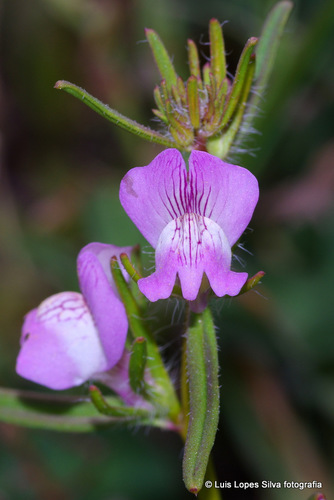
Misopates orontium (L.) Raf.
Misopates orontium (weasel's snout) is a herbaceous annual Plantaginaceae native…
Plantaginaceae plants belong to the Lamiales order in the Plantae kingdom. They have smooth entire margins, are stalkless, and feature a single prominent midrib. For instant identification, use the iNature app — AI-powered and works offline.
Plantaginaceae is classified in the order Lamiales, class Magnoliopsida, phylum Tracheophyta. The family contains 561 accepted species worldwide.
Yes, some Plantaginaceae species are toxic or poisonous. Always exercise caution with unknown specimens. View poisonous Plantaginaceae species or browse the full poisonous species guide.
Sources: GBIF, iNaturalist, Wikipedia · Disclaimer
Download iNature for free. 10 identifications on us. No account needed. No credit card required.
Download Free on App Store
