How to Identify Pitheciidae

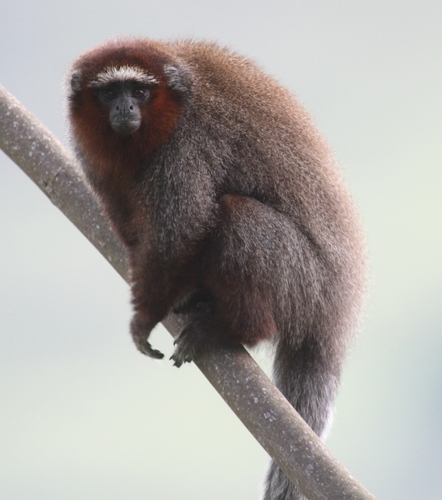
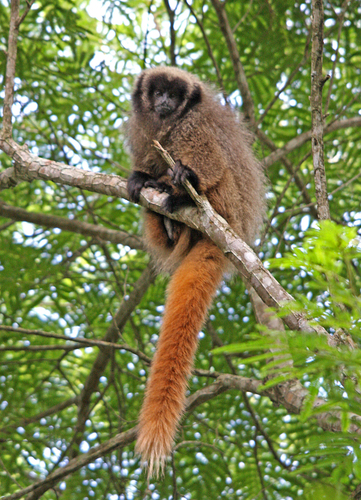
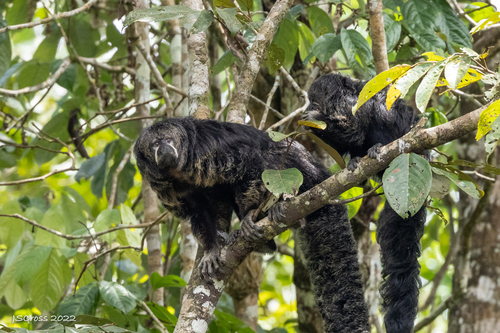
Pitheciidae is a animal family in the Animalia kingdom, order Primates, class Mammalia. The family contains 13 accepted species worldwide.

Key Identification Features

For instant identification in the field, use the iNature app — AI-powered, works offline.
Representative Pitheciidae Species

How to identify Pithecia milleri Allen, 1914

Pithecia milleri Allen, 1914

Pithecia milleri Allen, 1914

Miller's saki (Pithecia milleri) is a New World saki monkey species found in nor…

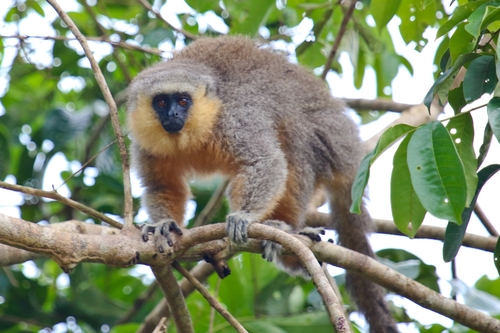
How to identify Pithecia chrysocephala I.Geoffroy Saint-Hilaire, 1850

Pithecia chrysocephala I.Geoffroy Saint-Hilaire, 1850

Pithecia chrysocephala I.Geoffroy Saint-Hilaire, 1850

The golden-faced saki (Pithecia chrysocephala) is a now full species of New Worl…

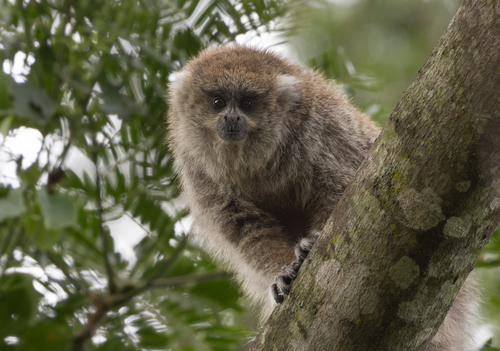
How to identify Pithecia napensis Lönnberg, 1938

Pithecia napensis Lönnberg, 1938

Pithecia napensis Lönnberg, 1938

The Napo saki is a New World saki monkey found in eastern Ecuador and northern P…

How to identify Plecturocebus donacophilus (d'Orbigny, 1836)

Plecturocebus donacophilus (d'Orbigny, 1836)

Plecturocebus donacophilus (d'Orbigny, 1836)

Plecturocebus donacophilus, the white-eared titi, is a small New World primate f…

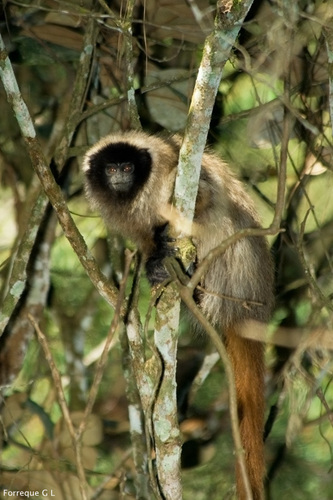
How to identify Callicebus personatus (É.Geoffroy Saint-Hilaire, 1812)

Callicebus personatus (É.Geoffroy Saint-Hilaire, 1812)

Callicebus personatus (É.Geoffroy Saint-Hilaire, 1812)

Callicebus personatus, the Atlantic or masked titi, is a endemic New World monke…

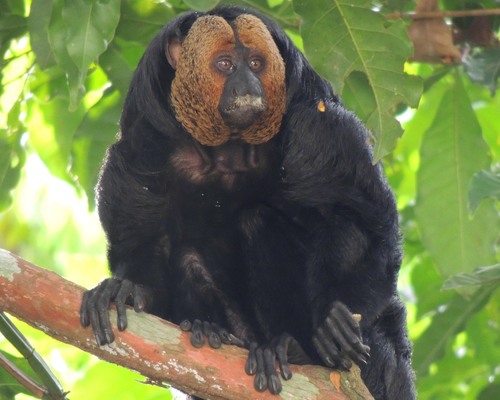
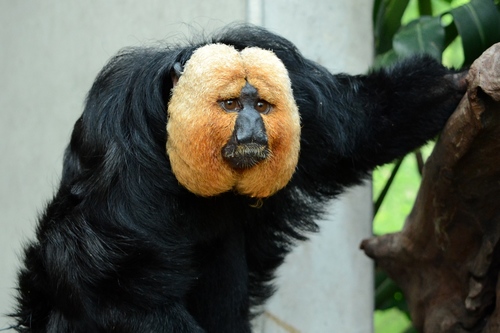
How to identify Pithecia pithecia (Linnaeus, 1766)

Pithecia pithecia (Linnaeus, 1766)

Pithecia pithecia (Linnaeus, 1766)

The white-faced saki (Pithecia pithecia) is a small sexually dimorphic New World…

How to identify Plecturocebus moloch (Hoffmannsegg, 1807)

Plecturocebus moloch (Hoffmannsegg, 1807)

Plecturocebus moloch (Hoffmannsegg, 1807)

Plecturocebus moloch, the red-bellied titi, is a small Neotropical primate with …

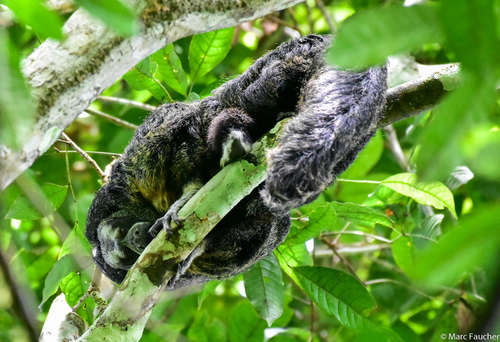
How to identify Pithecia irrorata Gray, 1842

Pithecia irrorata Gray, 1842

Pithecia irrorata Gray, 1842

Pithecia irrorata is a South American New World saki monkey found across parts o…

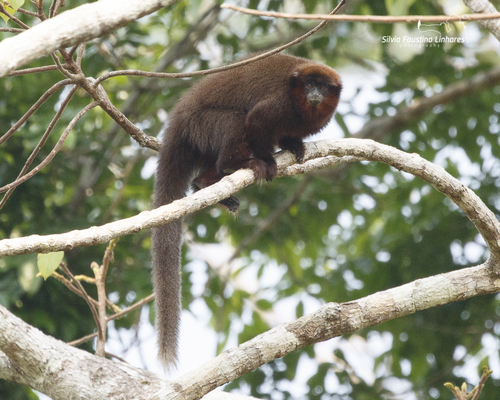
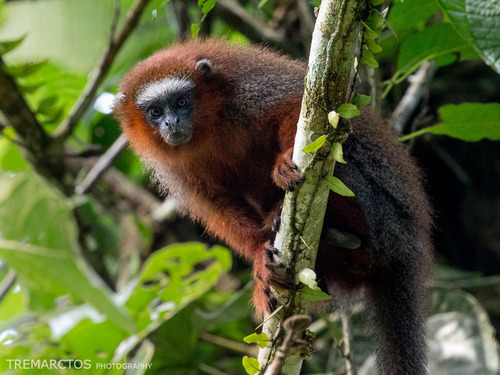
How to identify Plecturocebus toppini (Thomas, 1914)

Plecturocebus toppini (Thomas, 1914)

Plecturocebus toppini (Thomas, 1914)

Plecturocebob toppini is a reddish titi monkey species found across parts of Bol…

How to identify Plecturocebus discolor (I.Geoffroy Saint-Hilaire & Deville, 1848)

Plecturocebus discolor (I.Geoffroy Saint-Hilaire & Deville, 1848)

Plecturocebus discolor (I.Geoffroy Saint-Hilaire & Deville, 1848)

Plecturocebus discolor, the white-tailed titi monkey, is a South American New Wo…

How to identify Plecturocebus ornatus (Gray, 1866)

Plecturocebus ornatus (Gray, 1866)

Plecturocebus ornatus (Gray, 1866)

Plecturocebus ornatus, the ornate titi, is a vulnerable neotropical monkey nativ…

How to identify Callicebus nigrifrons (Spix, 1823)

Callicebus nigrifrons (Spix, 1823)

Callicebus nigrifrons (Spix, 1823)

Callicebus nigrifrons, the black-fronted titi monkey, is a small New World monke…

Browse all 13 Pitheciidae species →

Frequently Asked Questions

How do you identify Pitheciidae?

Pitheciidae animals belong to the Primates order in the Animalia kingdom. Its dorsal side and limbs range in color from grey agouti to orange agouti, it has an orange underside, and distinct white ear tufts. For instant identification, use the iNature app — AI-powered and works offline.

What are the key characteristics of Pitheciidae?

Pitheciidae is classified in the order Primates, class Mammalia, phylum Chordata. Sexual differences begin to appear at approximately 2 months of age, and gradually become more distinct over the course of several years.

Sources: GBIF, iNaturalist, Wikipedia · Disclaimer

Start Exploring Nature Today

Download iNature for free. 10 identifications on us. No account needed. No credit card required.

Download Free on App Store