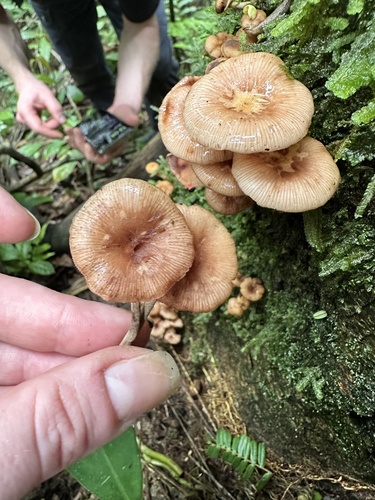
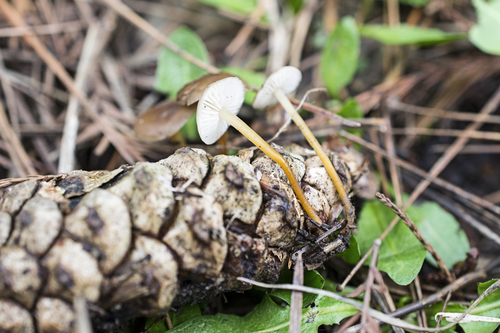
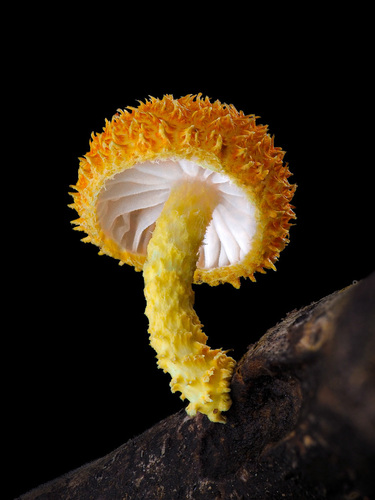
How to Identify Physalacriaceae

Physalacriaceae is a fungus family in the Fungi kingdom, order Agaricales, class Agaricomycetes. The family contains 51 accepted species worldwide.

Key Identification Features

For instant identification in the field, use the iNature app — AI-powered, works offline.
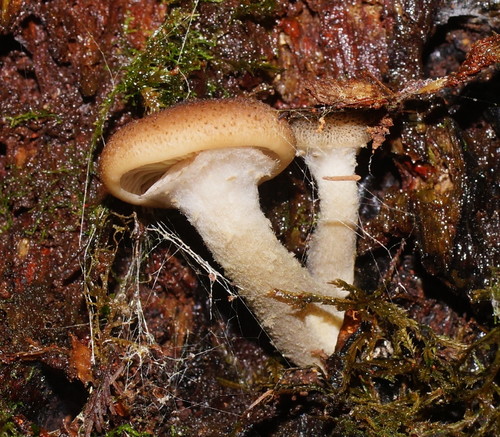
Representative Physalacriaceae Species

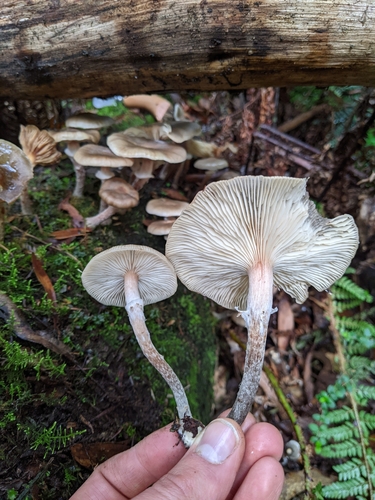
How to identify Armillaria hinnulea Kile & Watling

Armillaria hinnulea Kile & Watling

Armillaria hinnulea Kile & Watling

Armillaria hinnulea is a rare mushroom found in Australia and New Zealand, a sec…

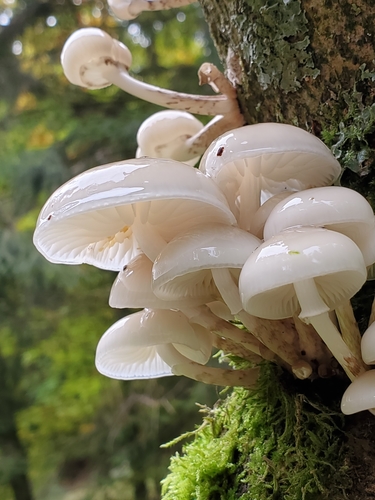
How to identify Mucidula mucida (Schrad.) Pat.

Mucidula mucida (Schrad.) Pat.

Mucidula mucida (Schrad.) Pat.

Mucidula mucida, the porcelain mushroom, is a common European fungus mostly asso…

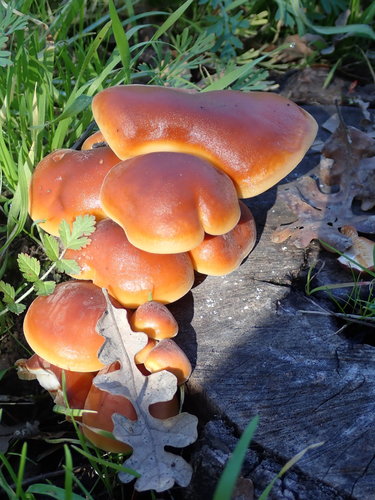
How to identify Flammulina velutipes (Curtis) Singer

Flammulina velutipes (Curtis) Singer

Flammulina velutipes (Curtis) Singer

Flammulina velutipes, or velvet shank, is an edible saprotrophic fungus found in…

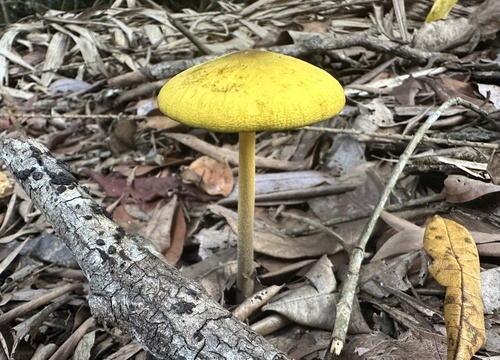
How to identify Protoxerula flavo-olivacea (R.H.Petersen & Halling) R.H.Petersen

Protoxerula flavo-olivacea (R.H.Petersen & Halling) R.H.Petersen

Protoxerula flavo-olivacea (R.H.Petersen & Halling) R.H.Petersen

Protoxerula is a monotypic fungal genus containing the single Australian species…

How to identify Armillaria novae-zelandiae (G.Stev.) Boesew.

Armillaria novae-zelandiae (G.Stev.) Boesew.

Armillaria novae-zelandiae (G.Stev.) Boesew.

Armillaria novae-zelandiae is a sometimes bioluminescent fungus distributed acro…

How to identify Strobilurus esculentus (Wulfen) Singer

Strobilurus esculentus (Wulfen) Singer

Strobilurus esculentus (Wulfen) Singer

Strobilurus esculentus is a fungus with detailed morphological traits for its ca…

How to identify Oudemansiella canarii (Jungh.) Höhn.

Oudemansiella canarii (Jungh.) Höhn.

Oudemansiella canarii (Jungh.) Höhn.

Oudemansiella canarii is a saprobic white mushroom that grows on decaying wood, …

How to identify Hymenopellis radicata (Relhan) R.H.Petersen

Hymenopellis radicata (Relhan) R.H.Petersen

Hymenopellis radicata (Relhan) R.H.Petersen

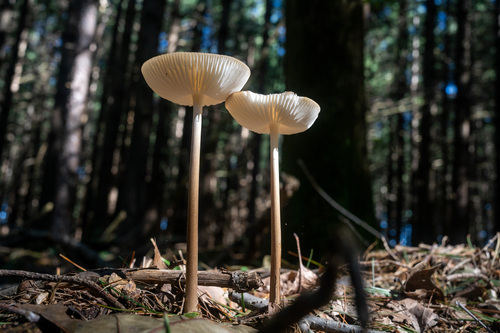
Hymenopellis radicata is a mushroom with a deeply rooting stem, and its caps are…

How to identify Armillaria mellea (Vahl) P.Kumm.

Armillaria mellea (Vahl) P.Kumm.

Armillaria mellea (Vahl) P.Kumm.

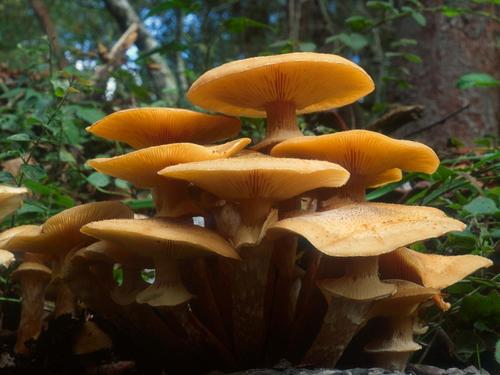
Armillaria mellea is a common parasitic honey-coloured fungus that is cultivated…

How to identify Armillaria puiggarii Speg.

Armillaria puiggarii Speg.

Armillaria puiggarii Speg.

Armillaria puiggarii is an agaric fungus in the Physalacriaceae family found in …

How to identify Strobilurus tenacellus (Pers.) Singer

Strobilurus tenacellus (Pers.) Singer

Strobilurus tenacellus (Pers.) Singer

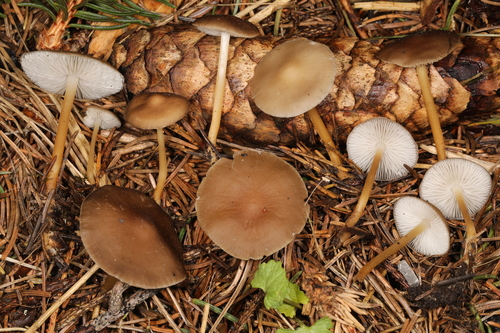
Strobilurus tenacellus is a small saprobic fungus that grows on conifer cones in…

How to identify Cyptotrama asprata (Berk.) Redhead & Ginns

Cyptotrama asprata (Berk.) Redhead & Ginns

Cyptotrama asprata (Berk.) Redhead & Ginns

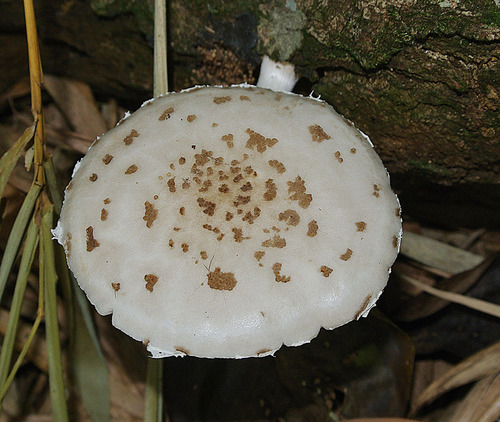
Cyptotrama asprata is an inedible saprobic mushroom that grows on decaying wood …

Browse all 51 Physalacriaceae species →

Frequently Asked Questions

How do you identify Physalacriaceae?

Physalacriaceae funguss belong to the Agaricales order in the Fungi kingdom. Key identifying features include subdeccurent gills, a cap-bearing stalk, and both intact and ruptured warts on the cap. For instant identification, use the iNature app — AI-powered and works offline.

What are the key characteristics of Physalacriaceae?

Physalacriaceae is classified in the order Agaricales, class Agaricomycetes, phylum Basidiomycota. Older specimens usually have all their surface features worn away.

Sources: GBIF, iNaturalist, Wikipedia · Disclaimer

Start Exploring Nature Today

Download iNature for free. 10 identifications on us. No account needed. No credit card required.

Download Free on App Store