How to Identify Phyllodactylidae
Phyllodactylidae is a animal family in the Animalia kingdom, order , class Squamata. The family contains 27 accepted species worldwide.
Representative Phyllodactylidae Species
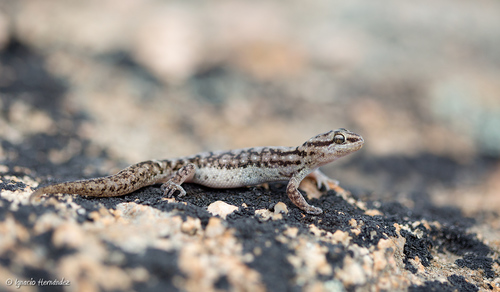
Homonota darwinii Boulenger, 1885
Homonota darwinii Boulenger, 1885
Homonota darwinii is an endemic Argentinian lizard species with two recognized s…
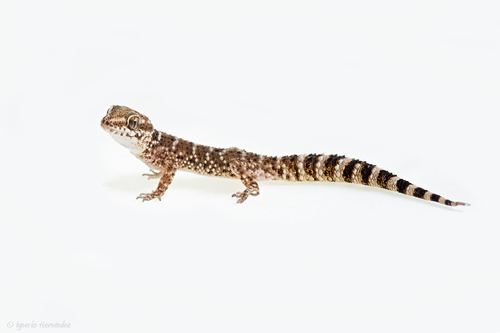
Homonota horrida (Burmeister, 1861)
Homonota horrida (Burmeister, 1861)
Homonota horrida, the South American marked gecko, is a gecko species native to …
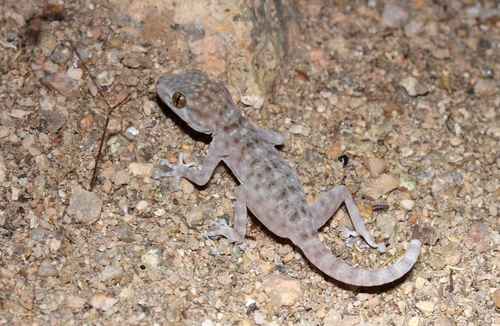
Ptyodactylus oudrii Lataste, 1880
Ptyodactylus oudrii Lataste, 1880
Oudri's fan-footed gecko is an oviparous lizard species in Phyllodactylidae, end…
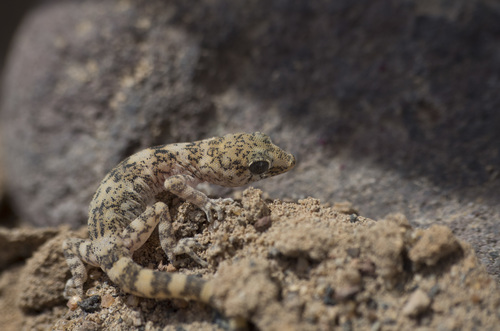
Phyllodactylus gerrhopygus (Wiegmann, 1834)
Phyllodactylus gerrhopygus (Wiegmann, 1834)
Phyllodactylus gerrhopygus, the South American leaf-toed gecko, is a gecko speci…
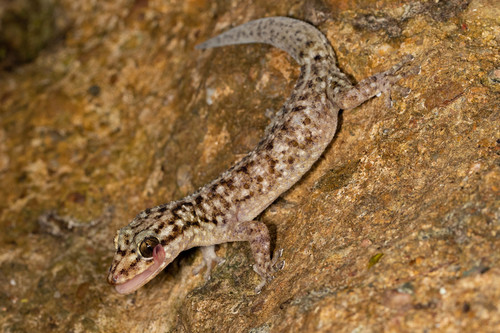
Phyllodactylus tuberculosus Wiegmann, 1834
Phyllodactylus tuberculosus Wiegmann, 1834
The yellowbelly gecko (Phyllodactylus tuberculosus) is an oviparous gecko specie…

Tarentola chazaliae (Mocquard, 1895)
Tarentola chazaliae (Mocquard, 1895)
Tarentola chazaliae, the helmethead gecko, is a nocturnal gecko with exceptional…
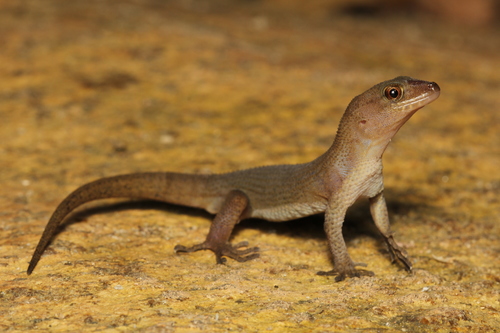
Gymnodactylus darwinii (Gray, 1845)
Gymnodactylus darwinii (Gray, 1845)
Gymnodactylus darwinii is an oviparous lizard species found in eastern Brazil’s …
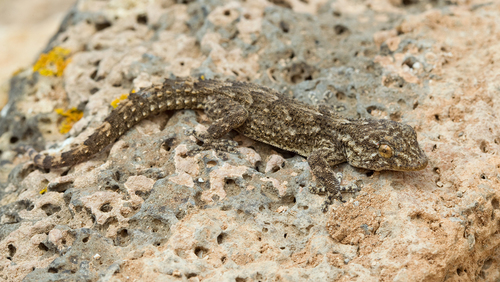
Tarentola angustimentalis Steindachner, 1891
Tarentola angustimentalis Steindachner, 1891
Tarentola angustimentalis, the East Canary gecko, is an endemic lizard of the ea…
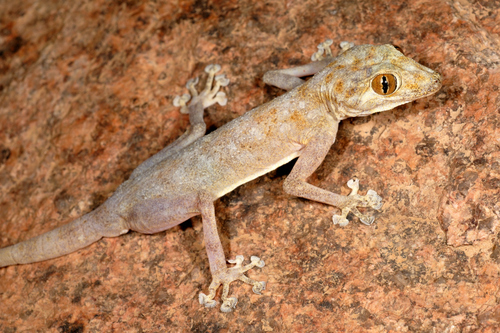
Ptyodactylus hasselquistii (Donndorff, 1798)
Ptyodactylus hasselquistii (Donndorff, 1798)
Ptyodactylus hasselquistii is an oviparous reptile with a maximum SVL of 96 mm f…
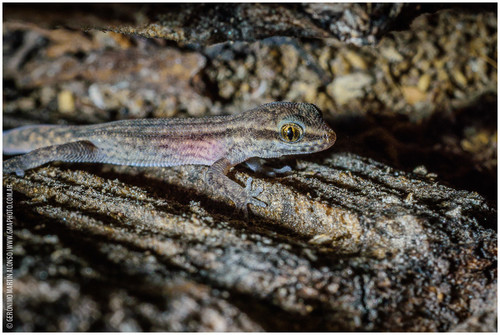
Homonota borellii (Peracca, 1897)
Homonota borellii (Peracca, 1897)
Borelli's marked gecko is an oviparous gecko species endemic to grassland, shrub…
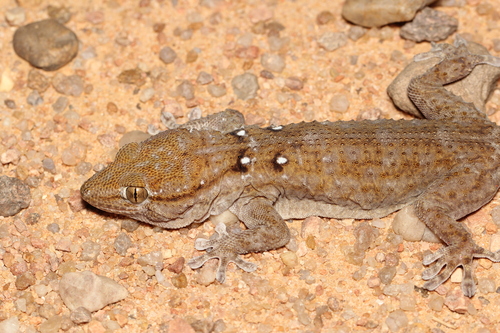
Tarentola annularis (Geoffroy Saint-Hilaire, 1827)
Tarentola annularis (Geoffroy Saint-Hilaire, 1827)
Tarentola annularis, the white-spotted or ringed wall gecko, is a gecko species …
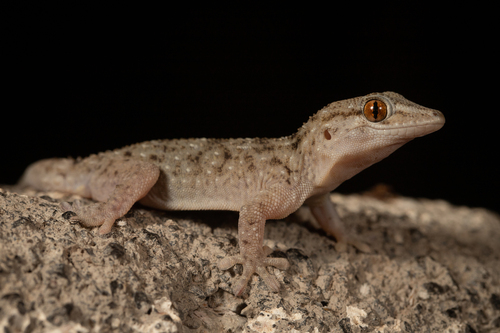
Tarentola gomerensis Joger & Bischoff, 1983
Tarentola gomerensis Joger & Bischoff, 1983
Tarentola gomerensis is a Phyllodactylidae lizard species endemic to La Gomera w…
Frequently Asked Questions
How do you identify Phyllodactylidae?
Phyllodactylidae animals belong to the order in the Animalia kingdom. Browse the 27 species gallery above for visual identification references. For instant identification, use the iNature app — AI-powered and works offline.
What are the key characteristics of Phyllodactylidae?
Phyllodactylidae is classified in the order , class Squamata, phylum Chordata. The family contains 27 accepted species worldwide.
Sources: GBIF, iNaturalist, Wikipedia · Disclaimer
Start Exploring Nature Today
Download iNature for free. 10 identifications on us. No account needed. No credit card required.
Download Free on App Store
