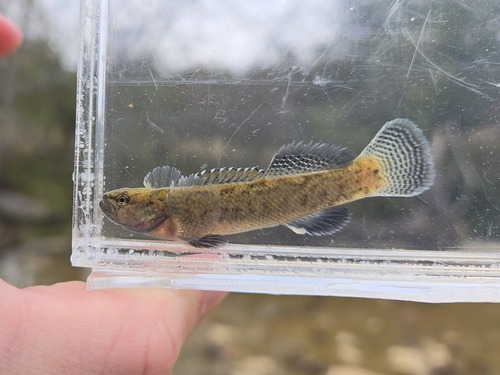
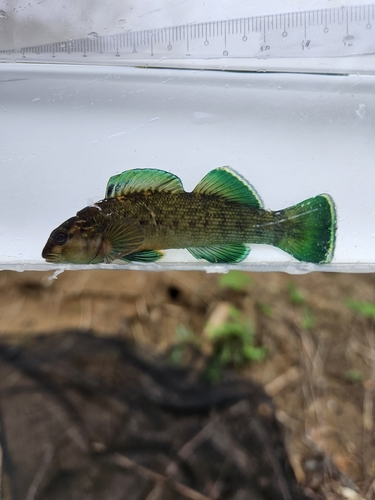
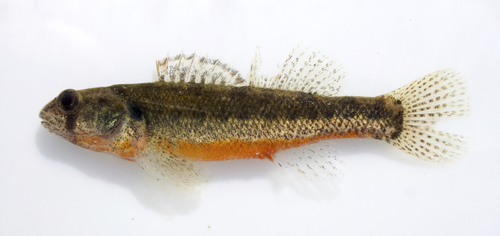
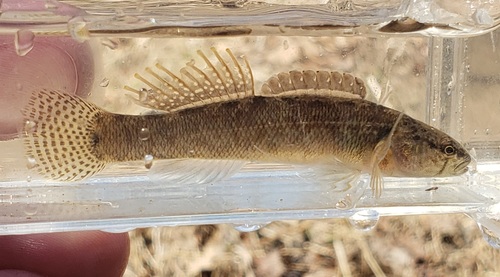
Key Identification Features
- The genus is also genetically distinct for having a lactate dehydrogenase (LDH) allele that does not occur in other darter genera.
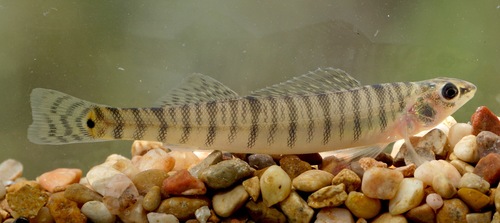
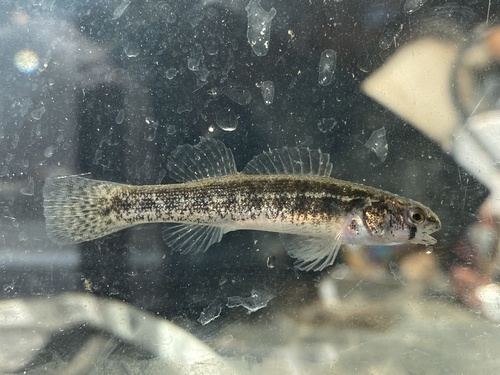
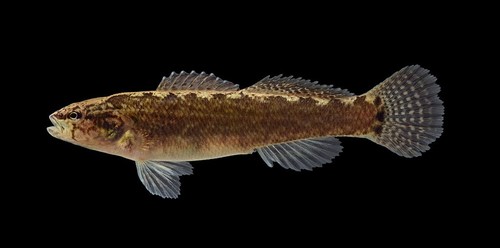
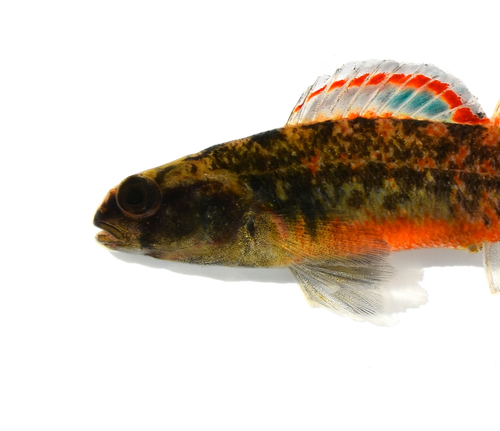
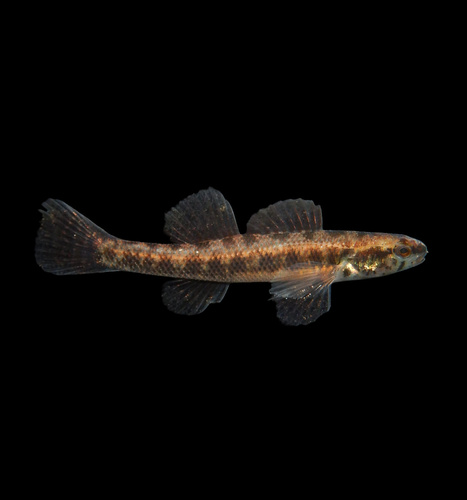
- Etheostoma squamiceps, commonly called the spottail darter, gets its common name from the three distinct spots located at the base of its caudal fin.
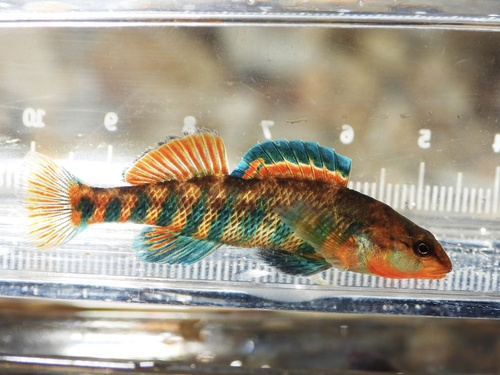
- The sides of the mud darter feature 9–12 irregular dark brown vertical bars, and three vertically arranged spots sit at the base of its tail.
- Their anal fin usually has 2 spines and 8–9 rays.
For instant identification in the field, use the iNature app — AI-powered, works offline.