Key Identification Features
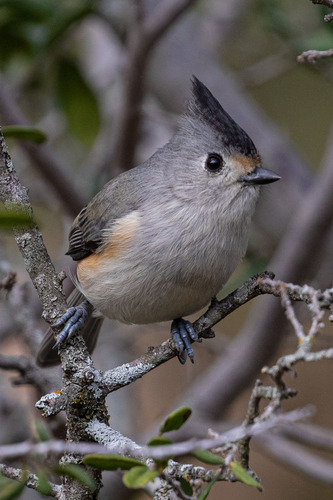
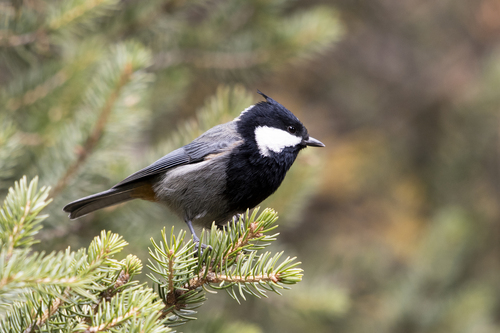
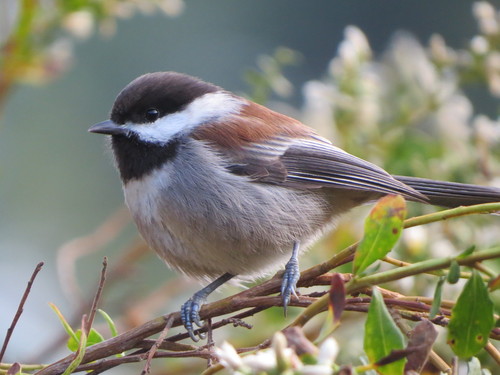
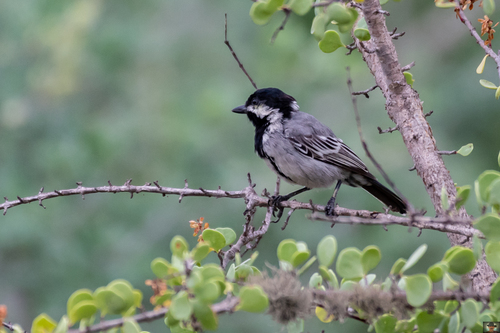
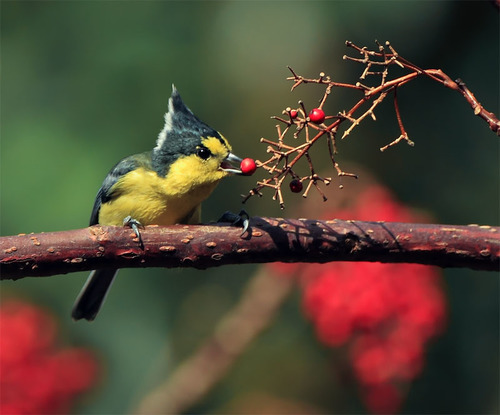
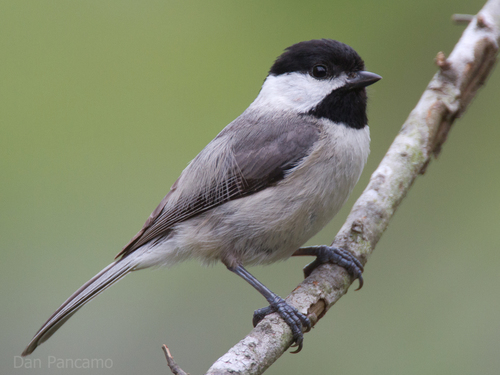
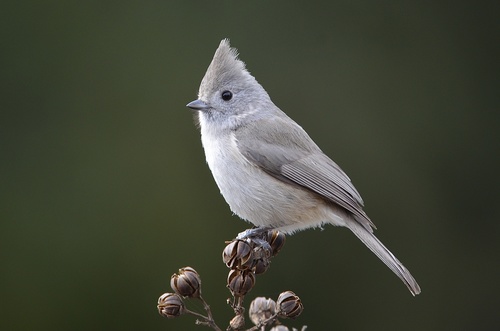
- It is a moderately large member of its family, with a distinct crest, and the sexes have nearly identical plumage patterns.
- Each subspecies has its own distinct range: B.
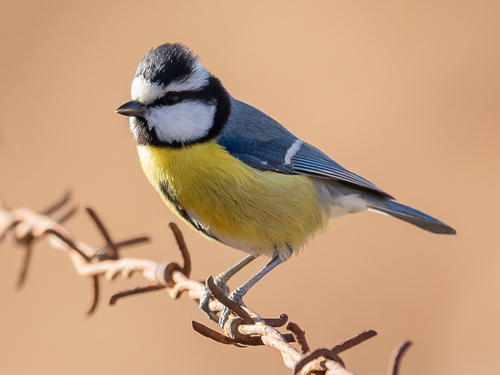
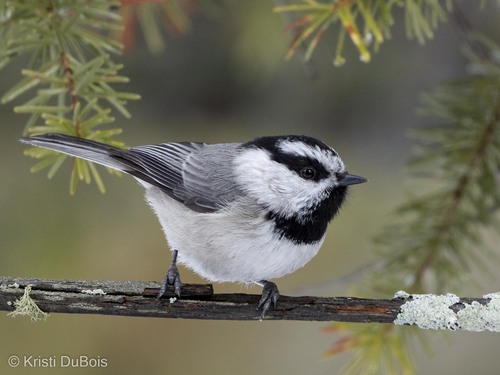
- It was later moved to the genus Melaniparus after a 2013 molecular phylogenetic analysis found that the species grouped into this new genus formed a distinct clade.
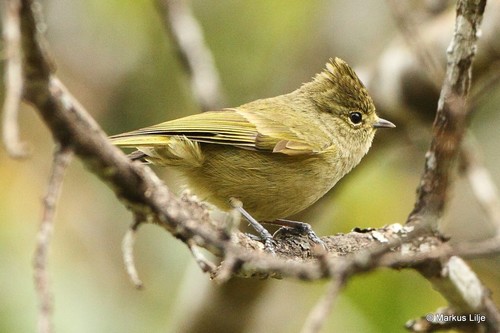
- It was moved to the genus Machlolophus after a 2013 molecular phylogenetic analysis found that the members of this new genus formed a distinct clade.
For instant identification in the field, use the iNature app — AI-powered, works offline.