Key Identification Features
- 2 in) across, and feature pale blue anthers and 4 to 6 stigmas.
For instant identification in the field, use the iNature app — AI-powered, works offline.
Papaveraceae is a plant family in the Plantae kingdom, order Ranunculales, class Magnoliopsida. The family contains 151 accepted species worldwide. Some species in this family are toxic — exercise caution when handling unknown specimens.
For instant identification in the field, use the iNature app — AI-powered, works offline.
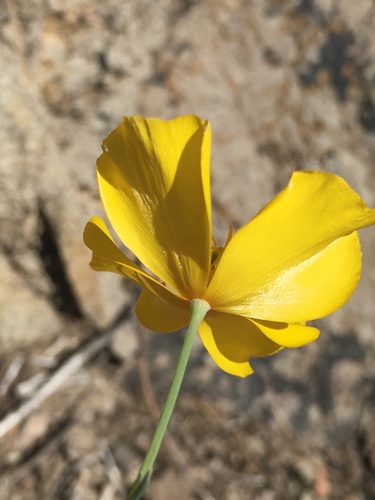
Eschscholzia caespitosa Benth.
Eschscholzia caespitosa is an annual herb similar to the California poppy, beari…
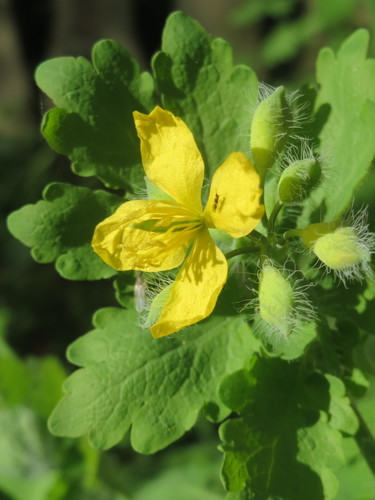
Chelidonium majus L.
Chelidonium majus (greater celandine) is a perennial herb native to Eurasia and …
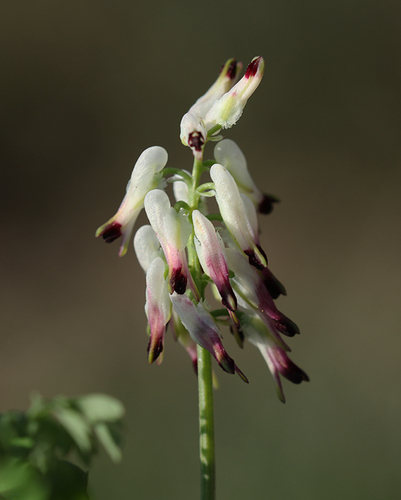
Fumaria capreolata L.
Fumaria capreolata L. is a flowering plant that can act as an environmental weed…
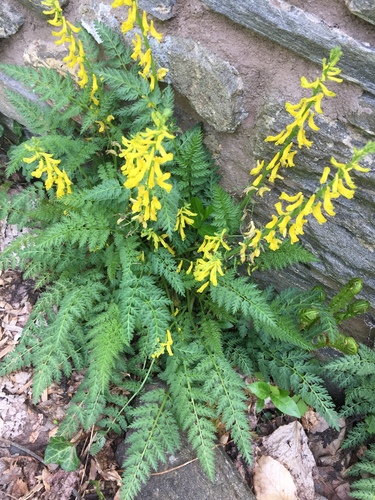
Corydalis cheilanthifolia Hemsl.
Corydalis cheilanthifolia Hemsl. is a plant named for its lipfern-like leaves th…
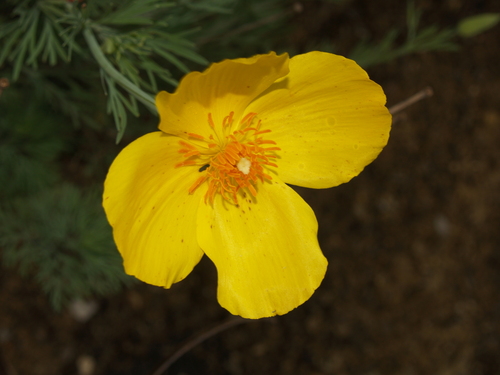
Hunnemannia fumariifolia Sweet
Hunnemannia fumariifolia, the Mexican tulip poppy, is the only species in the mo…

Papaver radicatum subsp. dahlianum (Nordh.) Rändel
Arctic poppy is a cold-adapted circumpolar flowering poppy, the world's northern…
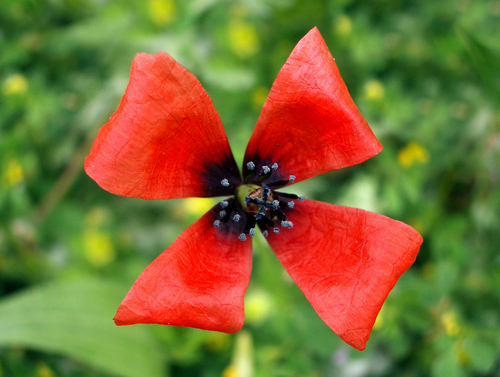
Roemeria argemone (L.) C.Morales, R.Mend. & Romero García
Roemeria argemone is an annual flowering pale poppy native to parts of Africa, E…
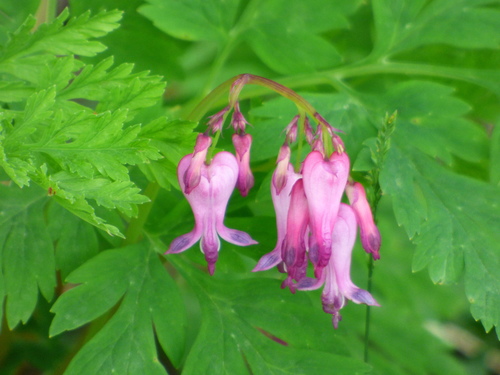
Dicentra eximia (Ker Gawl.) Torr.
Dicentra eximia, or fringed bleeding-heart, is a native Appalachian pollinator p…
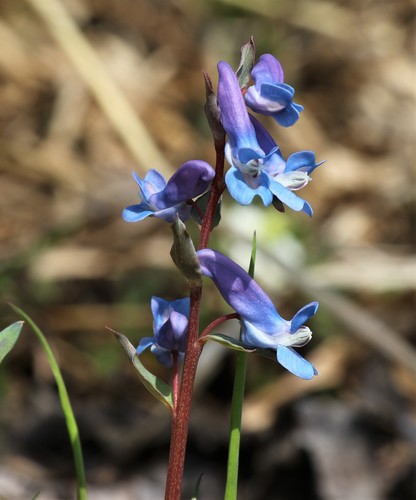
Corydalis ambigua Cham. & Schltdl.
Corydalis ambigua is an East Asian Papaveraceae species that provides tetrahydro…
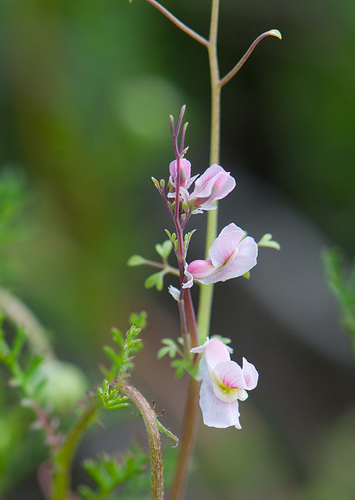
Cysticapnos vesicaria (L.) Fedde
The original material of Cysticapnos vesicaria (L.) Fedde consists of herbarium …
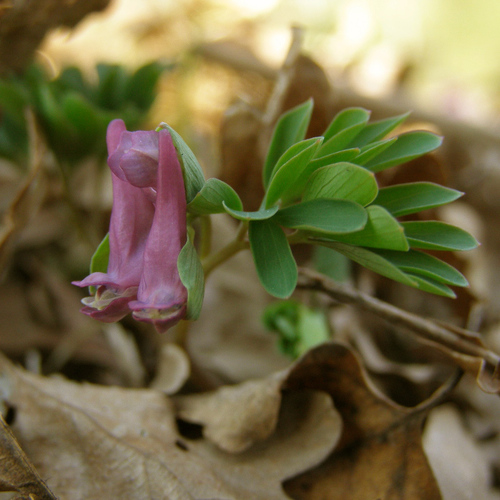
Corydalis intermedia (L.) Mérat
Corydalis intermedia is a European flowering plant species in the Papaveraceae f…
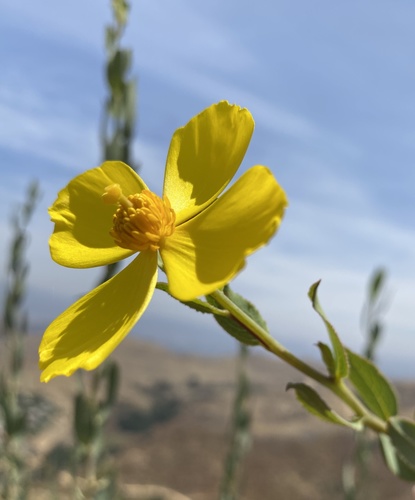
Dendromecon rigida Benth.
Dendromecon rigida Benth. is a small evergreen shrub native to western North Ame…
Papaveraceae plants belong to the Ranunculales order in the Plantae kingdom. 2 in) across, and feature pale blue anthers and 4 to 6 stigmas. For instant identification, use the iNature app — AI-powered and works offline.
Papaveraceae is classified in the order Ranunculales, class Magnoliopsida, phylum Tracheophyta. The family contains 151 accepted species worldwide.
Yes, some Papaveraceae species are toxic or poisonous. Always exercise caution with unknown specimens. View poisonous Papaveraceae species or browse the full poisonous species guide.
Sources: GBIF, iNaturalist, Wikipedia · Disclaimer
Download iNature for free. 10 identifications on us. No account needed. No credit card required.
Download Free on App Store
