Key Identification Features
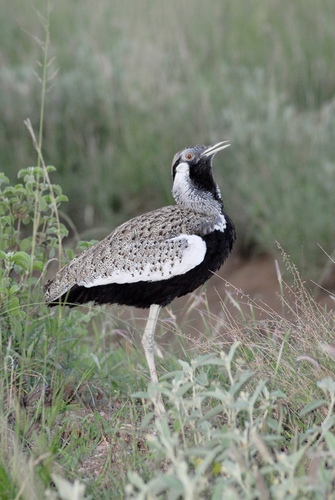
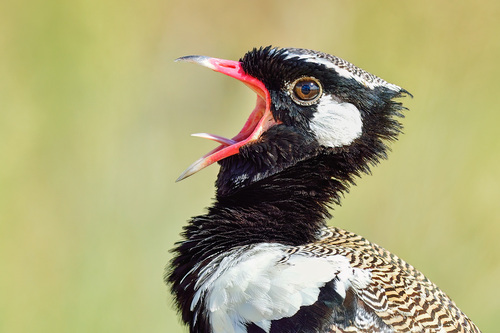
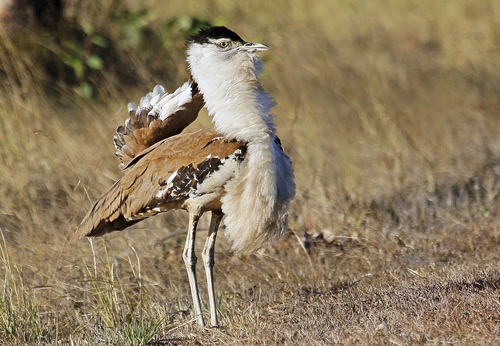
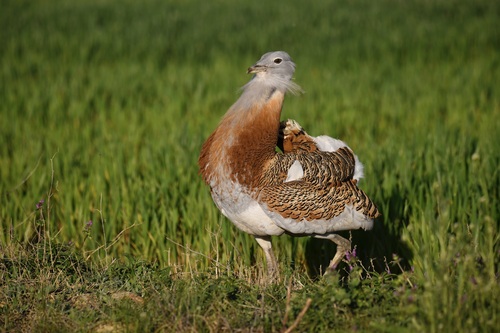
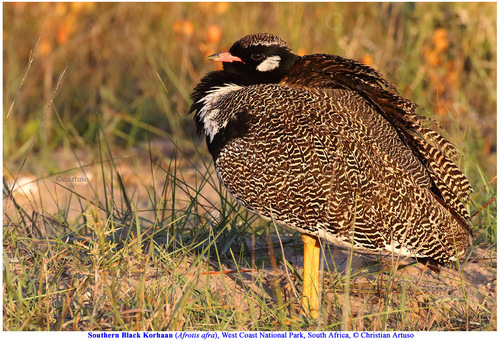
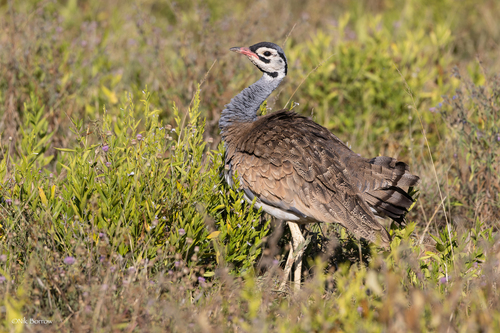
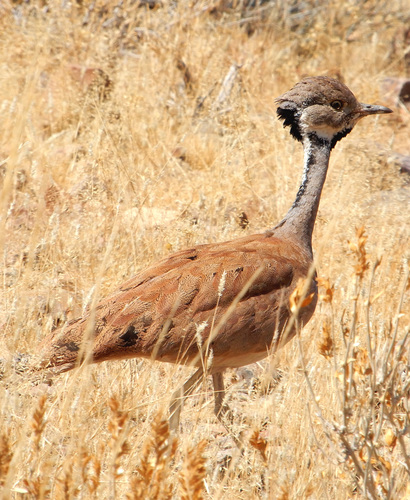
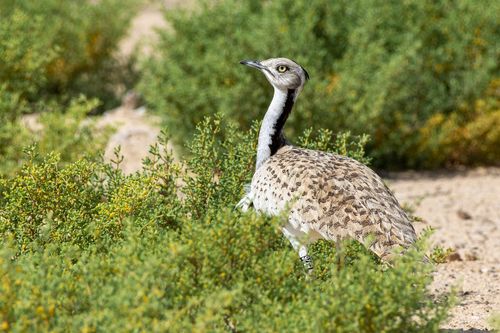
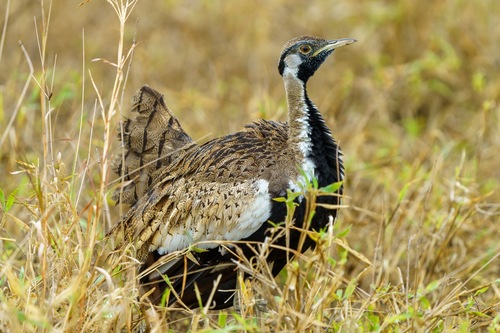
- Males have an overall grayish coloration, with a more distinct black stripe on the face, plus a black stripe that runs down the neck and connects to the black belly.
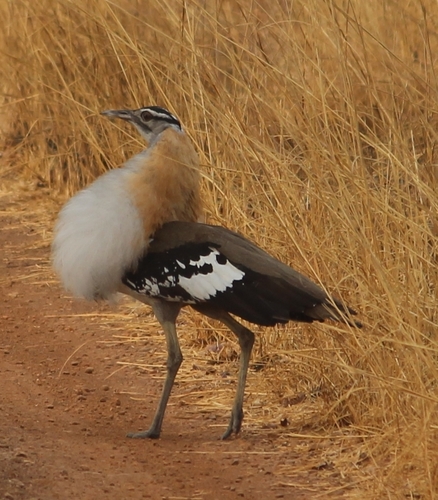
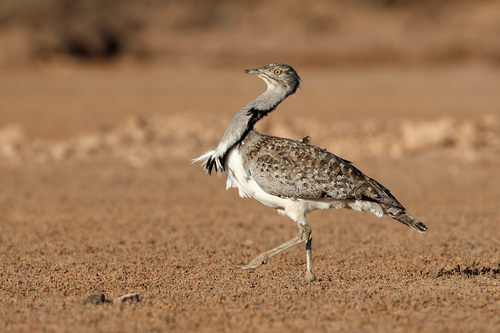
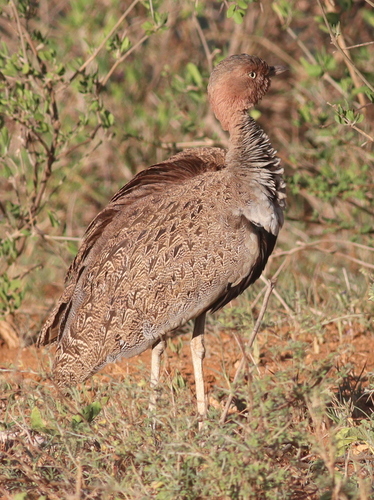
- It can be easily identified by its large size, long legs, and the habit of slowly walking across open plains.
- Outside of small isolated groups, their broad overall range is divided into four geographically distinct population zones, each holding one or more recognized subspecies: the subspecies E.
For instant identification in the field, use the iNature app — AI-powered, works offline.