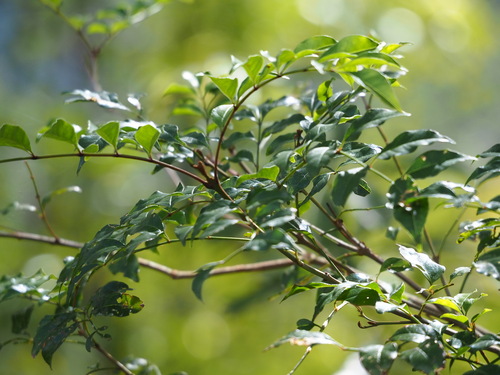
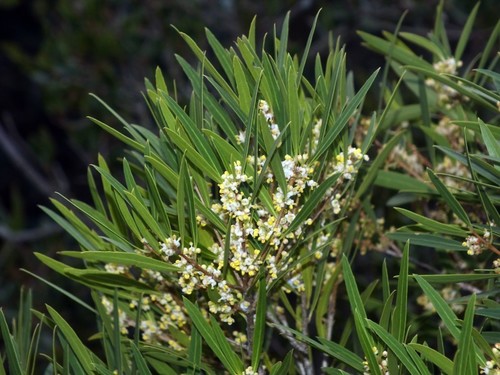
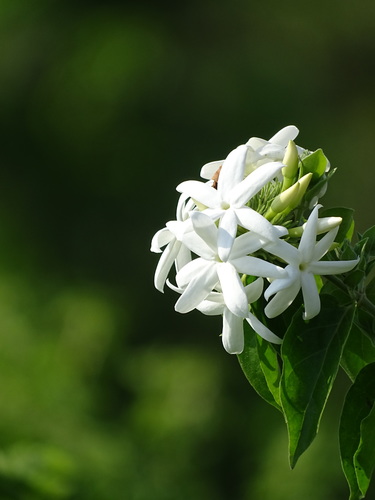
How to Identify Oleaceae

Oleaceae is a plant family in the Plantae kingdom, order Lamiales, class Magnoliopsida. The family contains 100 accepted species worldwide. Some species in this family are toxic — exercise caution when handling unknown specimens.

Key Identification Features

For instant identification in the field, use the iNature app — AI-powered, works offline.
Representative Oleaceae Species

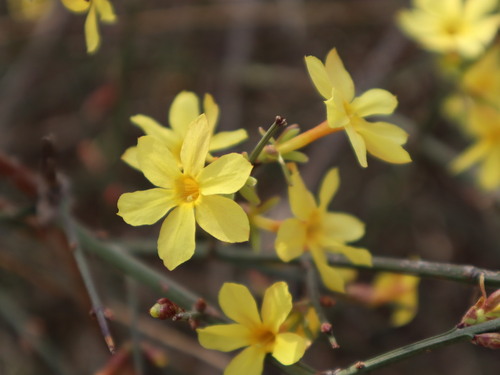
How to identify Jasminum nudiflorum Lindl.

Jasminum nudiflorum Lindl.

Jasminum nudiflorum Lindl.

Jasminum nudiflorum (winter jasmine) is a winter-flowering shrub native to China…

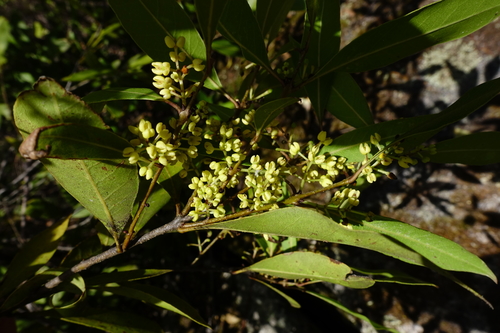
How to identify Notelaea venosa F.Muell.

Notelaea venosa F.Muell.

Notelaea venosa F.Muell.

Notelaea venosa F.Muell. is typically a 3m tall bushy shrub, occasionally growin…

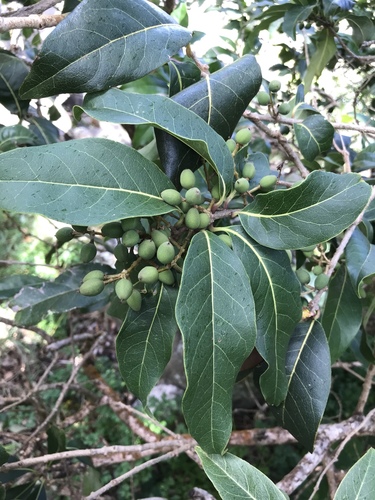
How to identify Nestegis sandwicensis (A.Gray) O.Deg., I.Deg. & L.A.S.Johnson

Nestegis sandwicensis (A.Gray) O.Deg., I.Deg. & L.A.S.Johnson

Nestegis sandwicensis (A.Gray) O.Deg., I.Deg. & L.A.S.Johnson

Nestegis sandwicensis, or olopua/Hawai'i olive, is an endemic Hawaiian flowering…

How to identify Fraxinus dipetala Hook. & Arn.

Fraxinus dipetala Hook. & Arn.

Fraxinus dipetala Hook. & Arn.

Fraxinus dipetala, or California two-petal ash, is a deciduous shrub or small as…

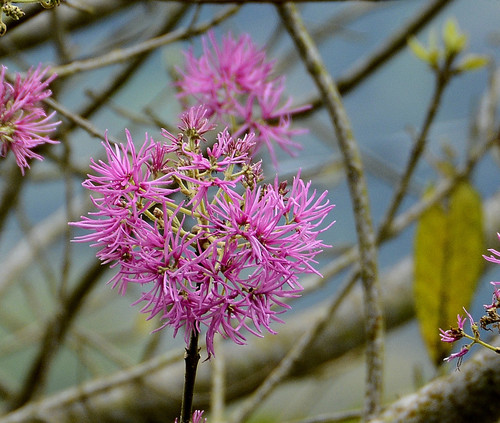
How to identify Chionanthus pubescens Kunth

Chionanthus pubescens Kunth

Chionanthus pubescens Kunth

Chionanthus pubescens is a deciduous Oleaceae tree native to Ecuador and Peru, s…

How to identify Forestiera pubescens Nutt.

Forestiera pubescens Nutt.

Forestiera pubescens Nutt.

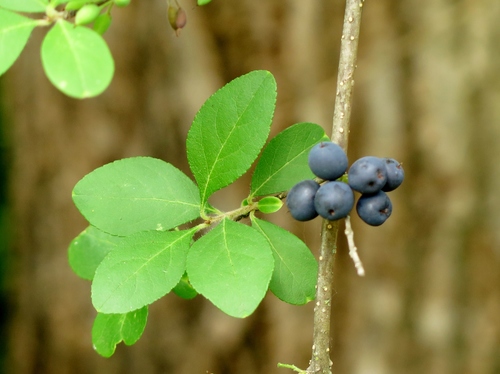
Forestiera pubescens is a multi-named deciduous shrub or small tree native to th…

How to identify Chionanthus pygmaeus Small

Chionanthus pygmaeus Small

Chionanthus pygmaeus Small

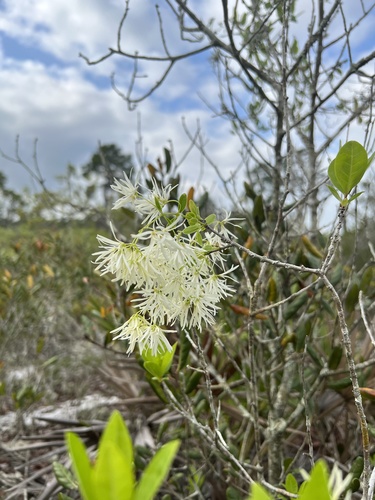
Chionanthus pygmaeus, the pygmy fringetree, is a variable Central Florida dioeci…

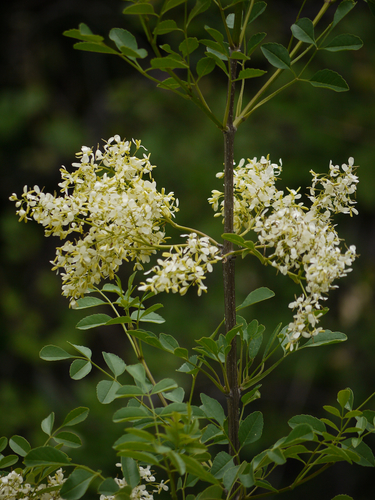
How to identify Ligustrum quihoui Carrière

Ligustrum quihoui Carrière

Ligustrum quihoui Carrière

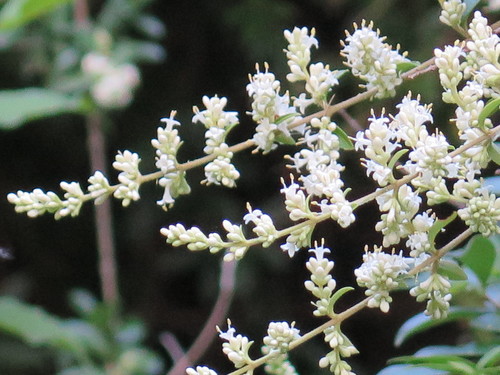
Ligustrum quihoui (waxyleaf privet) is an ornamental evergreen shrub native to E…

How to identify Jasminum multipartitum Hochst.

Jasminum multipartitum Hochst.

Jasminum multipartitum Hochst.

Starry Wild Jasmine (Jasminum multipartitum Hochst.) is a flowering scrambling c…

How to identify Fraxinus griffithii C.B.Clarke

Fraxinus griffithii C.B.Clarke

Fraxinus griffithii C.B.Clarke

Fraxinus griffithii is a flowering tree species that is invasive as an ornamenta…

How to identify Phillyrea angustifolia L.

Phillyrea angustifolia L.

Phillyrea angustifolia L.

Narrow-leaved mock privet (Phillyrea angustifolia) is an evergreen Mediterranean…

How to identify Jasminum multiflorum (Burm.f.) Andrews

Jasminum multiflorum (Burm.f.) Andrews

Jasminum multiflorum (Burm.f.) Andrews

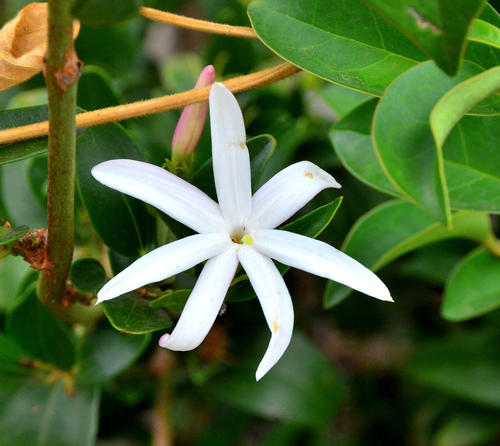
Jasminum multiflorum, or star jasmine, is an unscented Oleaceae jasmine species …

Browse all 100 Oleaceae species →

Frequently Asked Questions

How do you identify Oleaceae?

Oleaceae plants belong to the Lamiales order in the Plantae kingdom. It is known for its large, sparse flowering panicles of fragrant white flowers that appear late in the growing season, a trait that makes it a popular garden plant. For instant identification, use the iNature app — AI-powered and works offline.

What are the key characteristics of Oleaceae?

Oleaceae is classified in the order Lamiales, class Magnoliopsida, phylum Tracheophyta. In Indian mythology, this plant is called Kund, and is known for its white color.

⚠️ Are any Oleaceae species poisonous?

Yes, some Oleaceae species are toxic or poisonous. Always exercise caution with unknown specimens. View poisonous Oleaceae species or browse the full poisonous species guide.

Sources: GBIF, iNaturalist, Wikipedia · Disclaimer

Start Exploring Nature Today

Download iNature for free. 10 identifications on us. No account needed. No credit card required.

Download Free on App Store