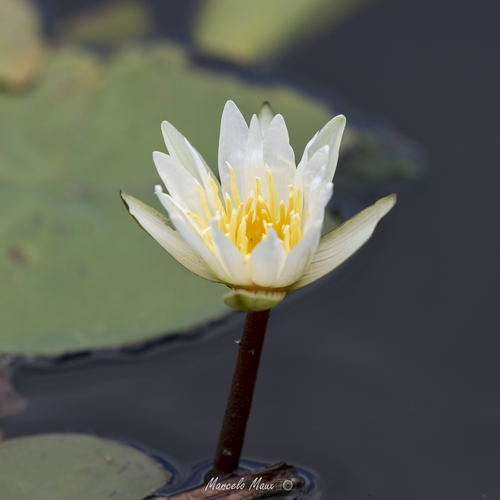
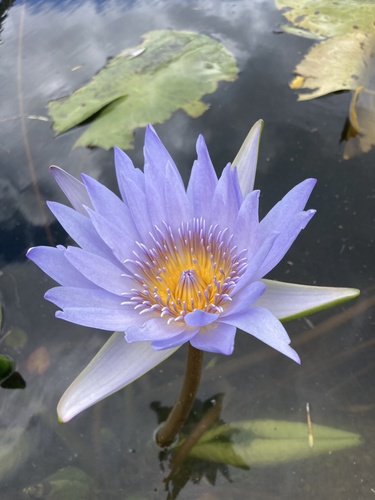
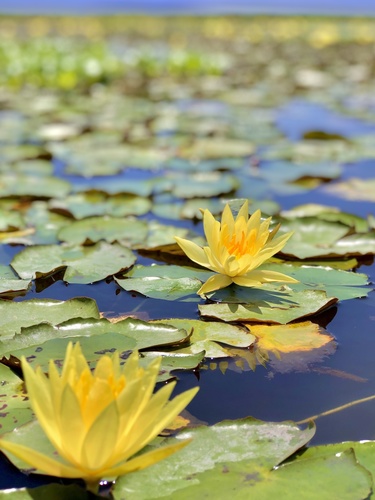
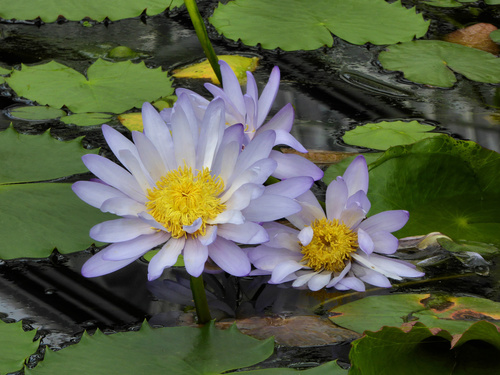
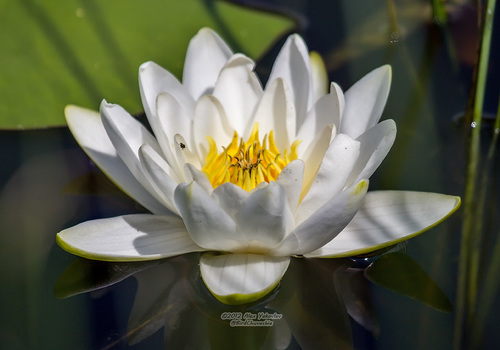
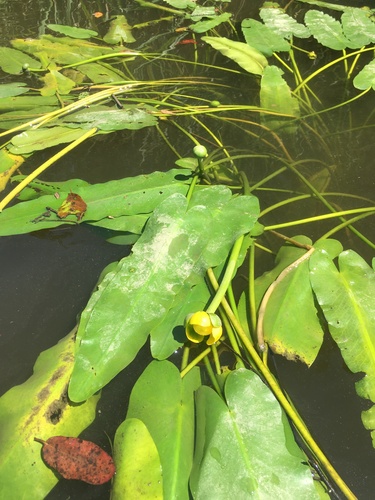
How to Identify Nymphaeaceae

Nymphaeaceae is a plant family in the Plantae kingdom, order Nymphaeales, class Magnoliopsida. The family contains 22 accepted species worldwide. Some species in this family are toxic — exercise caution when handling unknown specimens.

Key Identification Features

For instant identification in the field, use the iNature app — AI-powered, works offline.
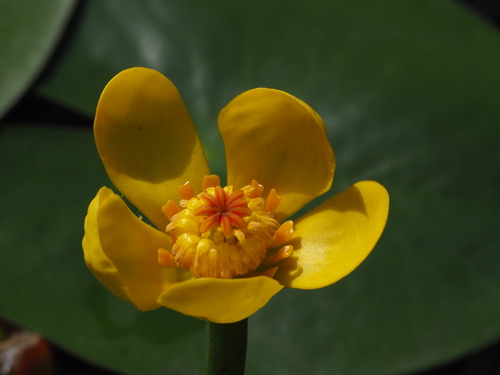
Representative Nymphaeaceae Species

How to identify Nuphar pumila (Timm) DC.

Nuphar pumila (Timm) DC.

Nuphar pumila (Timm) DC.

Nuphar pumila is a perennial aquatic herb cultivated as an ornamental, native ac…

How to identify Nymphaea pulchella DC.

Nymphaea pulchella DC.

Nymphaea pulchella DC.

Nymphaea pulchella DC. is an aquatic waterlily species with diurnal flowers that…

How to identify Nymphaea nouchali Burm.fil.

Nymphaea nouchali Burm.fil.

Nymphaea nouchali Burm.fil.

Nymphaea nouchali is an aquatic water lily used for decoration, medicine, and fo…

⚠️ Poisonous
How to identify Nymphaea mexicana Zucc.

Nymphaea mexicana Zucc.

Nymphaea mexicana Zucc.

Nymphaea mexicana Zucc. is a rhizomatous aquatic perennial herb that produces ye…

How to identify Nymphaea alba L.

Nymphaea alba L.

Nymphaea alba L.

Nymphaea alba L., the white water lily, is an aquatic flowering plant with edibl…

How to identify Nymphaea gigantea Hook.

Nymphaea gigantea Hook.

Nymphaea gigantea Hook.

Nymphaea gigantea Hook. is the Australian giant waterlily, an aquatic edible pla…

How to identify Victoria amazonica (Poepp.) Sowerby

Victoria amazonica (Poepp.) Sowerby

Victoria amazonica (Poepp.) Sowerby

Victoria amazonica is the world’s second-largest waterlily, native to northern S…

How to identify Euryale ferox Salisb. ex K.D.Koenig & Sims

Euryale ferox Salisb. ex K.D.Koenig & Sims

Euryale ferox Salisb. ex K.D.Koenig & Sims

Euryale ferox is an edible aquatic perennial native to Asia, widely cultivated i…

How to identify Nymphaea elegans Hook.

Nymphaea elegans Hook.

Nymphaea elegans Hook.

Nymphaea elegans Hook. is an aquatic flowering plant used for medicine and food,…

How to identify Victoria cruziana A.D.Orb.

Victoria cruziana A.D.Orb.

Victoria cruziana A.D.Orb.

Victoria cruziana A.D.Orb. is a large-leaved giant waterlily grown in water gard…

How to identify Nymphaea candida C.Presl

Nymphaea candida C.Presl

Nymphaea candida C.Presl

Nymphaea candida is an aquatic perennial herb from Eurasia grown as an ornamenta…

How to identify Nuphar sagittifolia (Walter) Pursh

Nuphar sagittifolia (Walter) Pursh

Nuphar sagittifolia (Walter) Pursh

Nuphar sagittifolia is a perennial heterophyllous aquatic herb found in acidic c…

Browse all 22 Nymphaeaceae species →

Frequently Asked Questions

How do you identify Nymphaeaceae?

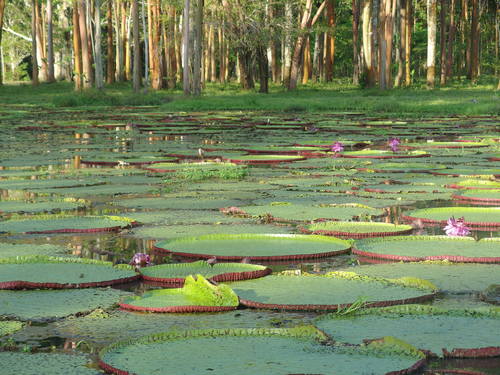
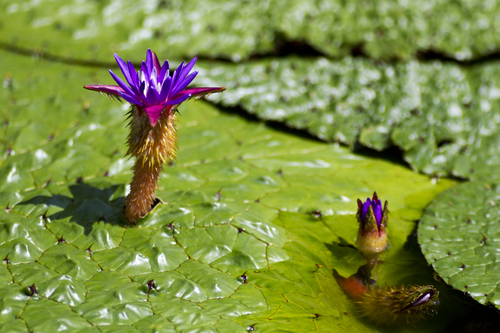
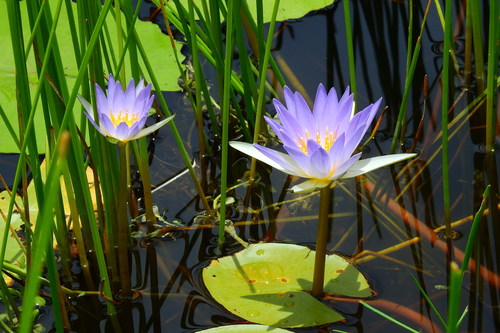
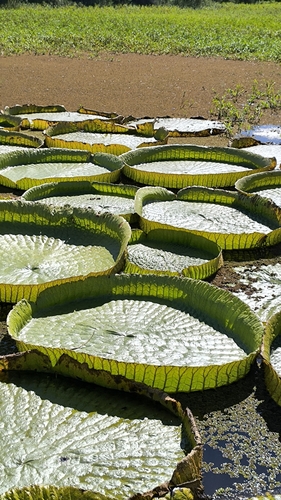
Nymphaeaceae plants belong to the Nymphaeales order in the Plantae kingdom. The top of the leaf has a distinctive puckered texture, the leaf stalk attaches to the center of the leaf underside, the leaf blade is deep green, and its veins are purplish. For instant identification, use the iNature app — AI-powered and works offline.

What are the key characteristics of Nymphaeaceae?

Nymphaeaceae is classified in the order Nymphaeales, class Magnoliopsida, phylum Tracheophyta. The family contains 22 accepted species worldwide.

⚠️ Are any Nymphaeaceae species poisonous?

Yes, some Nymphaeaceae species are toxic or poisonous. Always exercise caution with unknown specimens. View poisonous Nymphaeaceae species or browse the full poisonous species guide.

Sources: GBIF, iNaturalist, Wikipedia · Disclaimer

Start Exploring Nature Today

Download iNature for free. 10 identifications on us. No account needed. No credit card required.

Download Free on App Store