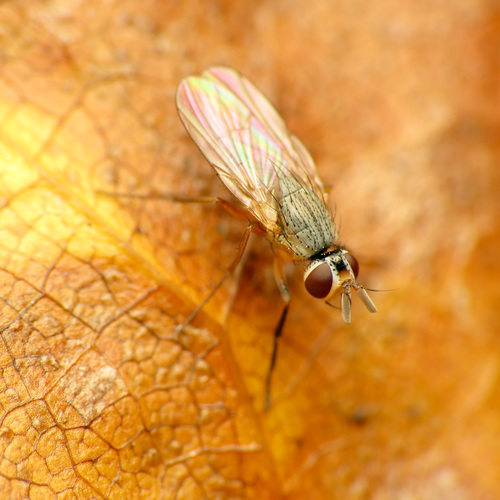
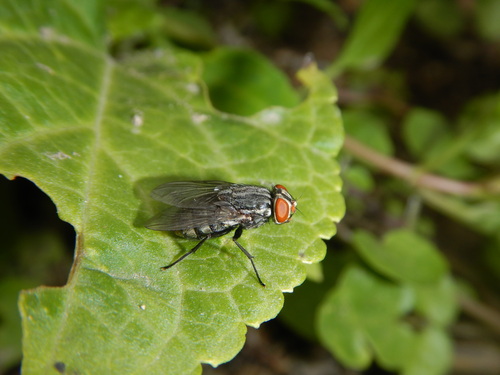
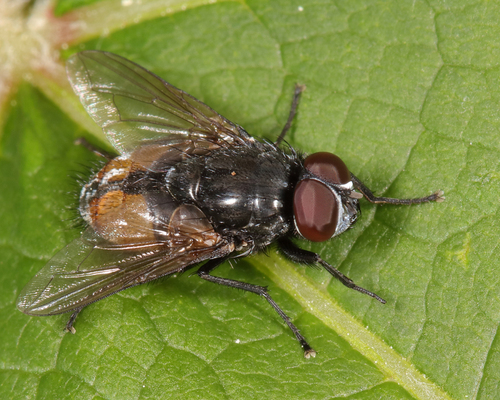
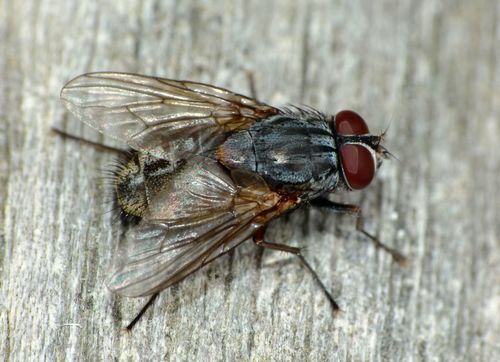
How to Identify Muscidae

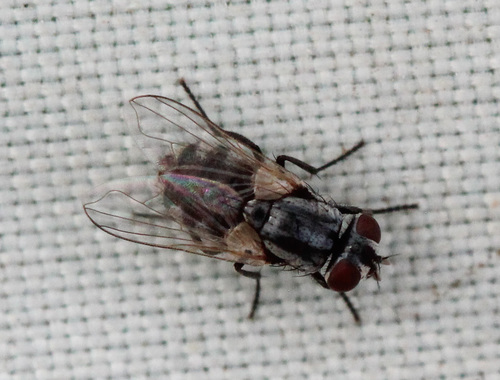
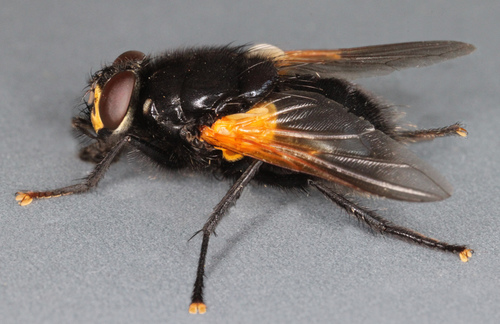
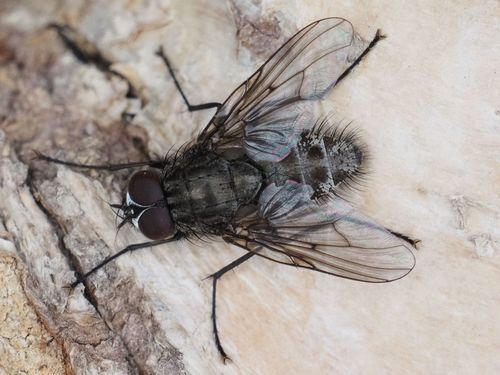
Muscidae is a animal family in the Animalia kingdom, order Diptera, class Insecta. The family contains 35 accepted species worldwide.

Key Identification Features

For instant identification in the field, use the iNature app — AI-powered, works offline.
Representative Muscidae Species

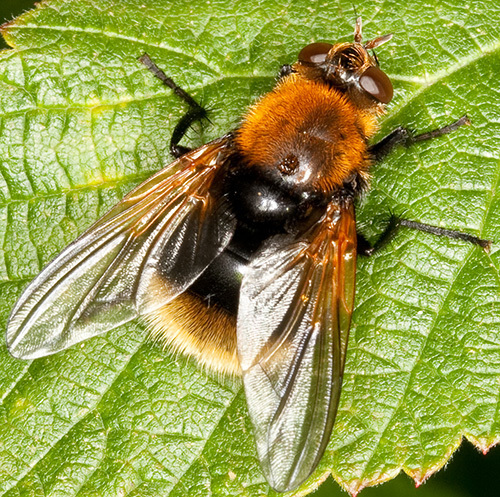
How to identify Mesembrina mystacea (Linnaeus, 1758)

Mesembrina mystacea (Linnaeus, 1758)

Mesembrina mystacea (Linnaeus, 1758)

Mesembrina mystacea is a bumblebee-mimicking fly species found across the Palaea…

How to identify Atherigona reversura Villeneuve, 1936

Atherigona reversura Villeneuve, 1936

Atherigona reversura Villeneuve, 1936

Atherigona reversura (bermudagrass stem maggot) is a small insect pest of bermud…

How to identify Synthesiomyia nudiseta (Wulp, 1883)

Synthesiomyia nudiseta (Wulp, 1883)

Synthesiomyia nudiseta (Wulp, 1883)

Synthesiomyia nudiseta is a large muscid fly found in tropical/subtropical regio…

How to identify Musca autumnalis De Geer, 1776

Musca autumnalis De Geer, 1776

Musca autumnalis De Geer, 1776

Musca autumnalis, the face fly, is a fly species related to houseflies that is n…

How to identify Muscina stabulans (Fallén, 1817)

Muscina stabulans (Fallén, 1817)

Muscina stabulans (Fallén, 1817)

Muscina stabulans, the false stable fly, is a muscid fly with distinct physical …

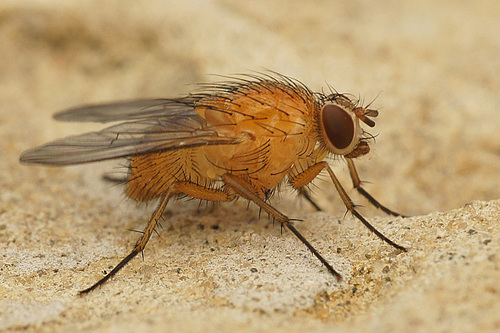
How to identify Phaonia pallida (Fabricius, 1787)

Phaonia pallida (Fabricius, 1787)

Phaonia pallida (Fabricius, 1787)

Phaonia pallida is an orange-bodied fly found in parts of the Palearctic, most o…

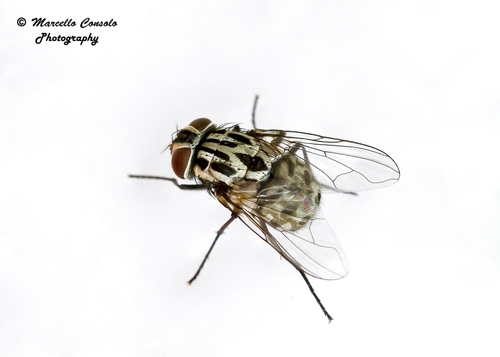
How to identify Graphomya maculata (Scopoli, 1763)

Graphomya maculata (Scopoli, 1763)

Graphomya maculata (Scopoli, 1763)

Graphomya maculata is a widespread fly species with distinct abdominal patterns …

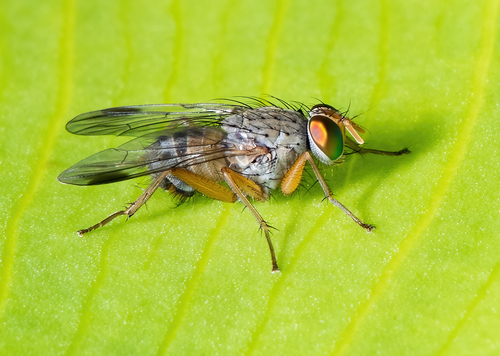
How to identify Pygophora apicalis Schiner, 1868

Pygophora apicalis Schiner, 1868

Pygophora apicalis Schiner, 1868

Pygophora apicalis Schiner, 1868 is a fly species with sexually dimorphic traits…

How to identify Coenosia tigrina (Fabricius, 1775)

Coenosia tigrina (Fabricius, 1775)

Coenosia tigrina (Fabricius, 1775)

Coenosia tigrina, the hunter fly, is a predatory Muscidae fly found in the Palea…

How to identify Musca vetustissima Walker, 1849

Musca vetustissima Walker, 1849

Musca vetustissima Walker, 1849

Musca vetustissima, the Australian bush fly, is a dung fly that can spread patho…

How to identify Mesembrina meridiana (Linnaeus, 1758)

Mesembrina meridiana (Linnaeus, 1758)

Mesembrina meridiana (Linnaeus, 1758)

Mesembrina meridiana is a stout medium-large black fly with orange markings, wid…

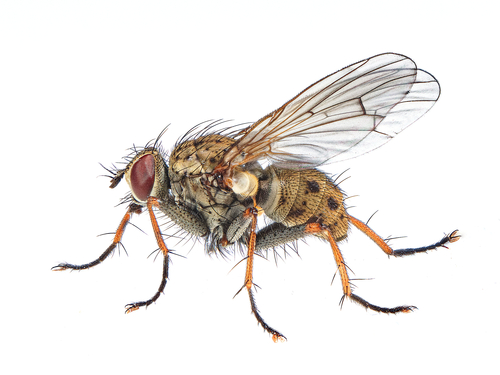
How to identify Helina evecta (Harris, 1780)

Helina evecta (Harris, 1780)

Helina evecta (Harris, 1780)

Helina evecta (Harris, 1780) is a Muscidae family fly found across parts of Euro…

Browse all 35 Muscidae species →

Frequently Asked Questions

How do you identify Muscidae?

Muscidae animals belong to the Diptera order in the Animalia kingdom. These are large, distinctive stout-bodied flies with striking coloration in black, yellow-brown, and white. For instant identification, use the iNature app — AI-powered and works offline.

What are the key characteristics of Muscidae?

Muscidae is classified in the order Diptera, class Insecta, phylum Arthropoda. The most unusual unique identifying feature of this species is the distinct parastomal sclerite in second instar larvae.

Sources: GBIF, iNaturalist, Wikipedia · Disclaimer

Start Exploring Nature Today

Download iNature for free. 10 identifications on us. No account needed. No credit card required.

Download Free on App Store