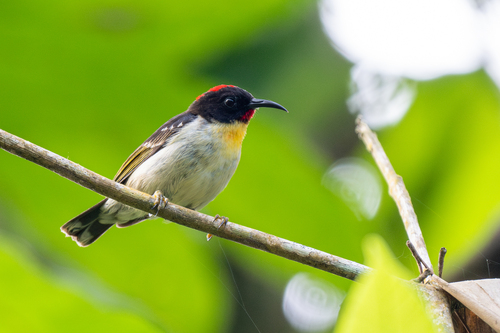
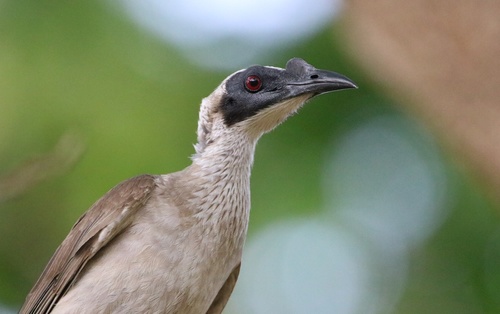
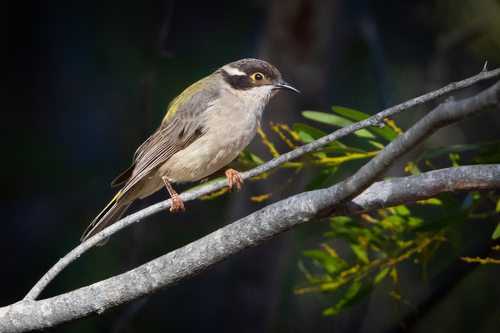
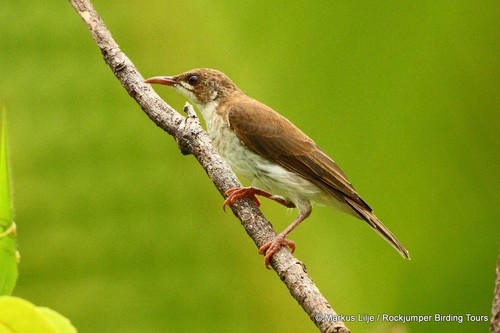
How to Identify Meliphagidae

Meliphagidae is a animal family in the Animalia kingdom, order Passeriformes, class Aves. The family contains 74 accepted species worldwide.

Key Identification Features

For instant identification in the field, use the iNature app — AI-powered, works offline.

Representative Meliphagidae Species

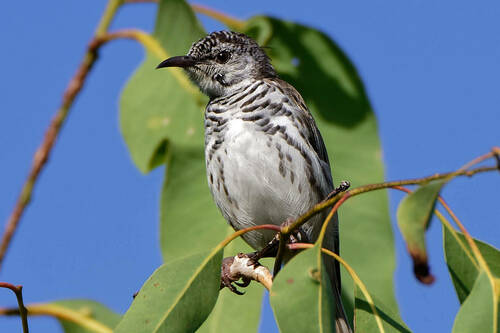
How to identify Territornis reticulata (Temminck, 1820)

Territornis reticulata (Temminck, 1820)

Territornis reticulata (Temminck, 1820)

Territornis reticulata, the streak-breasted honeyeater, is a Meliphagidae bird f…

How to identify Ramsayornis fasciatus (Gould, 1843)

Ramsayornis fasciatus (Gould, 1843)

Ramsayornis fasciatus (Gould, 1843)

Ramsayornis fasciatus, the bar-breasted honeyeater, is a Meliphagidae bird endem…

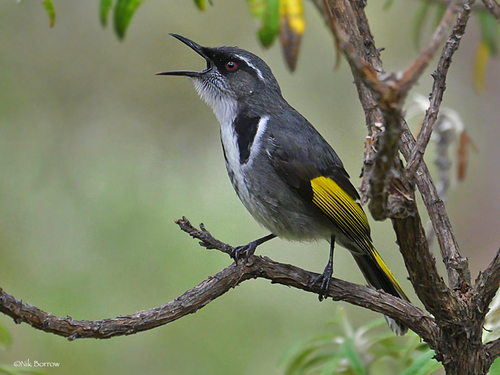
How to identify Phylidonyris pyrrhopterus (Latham, 1801)

Phylidonyris pyrrhopterus (Latham, 1801)

Phylidonyris pyrrhopterus (Latham, 1801)

The crescent honeyeater is a Least Concern passerine bird native to southeastern…

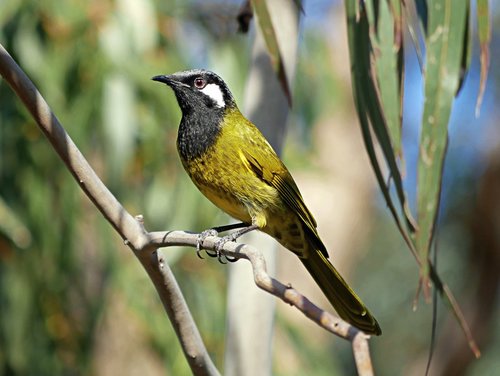
How to identify Nesoptilotis leucotis (Latham, 1801)

Nesoptilotis leucotis (Latham, 1801)

Nesoptilotis leucotis (Latham, 1801)

Nesoptilotis leucotis, the white-eared honeyeater, is a medium-sized Australian …

How to identify Acanthagenys rufogularis Gould, 1838

Acanthagenys rufogularis Gould, 1838

Acanthagenys rufogularis Gould, 1838

This is a description of the medium-sized Australian spiny-cheeked honeyeater co…

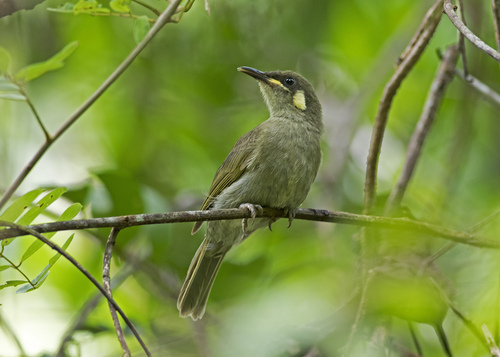
How to identify Meliphaga notata (Gould, 1867)

Meliphaga notata (Gould, 1867)

Meliphaga notata (Gould, 1867)

Meliphaga notata, the yellow-spotted honeyeater, is a small Australian bird that…

How to identify Myzomela jugularis Peale, 1849

Myzomela jugularis Peale, 1849

Myzomela jugularis Peale, 1849

Myzomela jugularis, the sulphur-breasted myzomela, is Fiji's smallest endemic re…

How to identify Philemon argenticeps (Gould, 1840)

Philemon argenticeps (Gould, 1840)

Philemon argenticeps (Gould, 1840)

Philemon argenticeps, the silver-crowned friarbird, is an endemic northern Austr…

How to identify Melithreptus brevirostris (Vigors & Horsfield, 1827)

Melithreptus brevirostris (Vigors & Horsfield, 1827)

Melithreptus brevirostris (Vigors & Horsfield, 1827)

Melithreptus brevirostris, the brown-headed honeyeater, is a small Australian ho…

How to identify Ramsayornis modestus (G.R.Gray, 1858)

Ramsayornis modestus (G.R.Gray, 1858)

Ramsayornis modestus (G.R.Gray, 1858)

Ramsayornis modestus, the Brown-backed honeyeater, is a small bird found in far …

How to identify Manorina flavigula (Gould, 1840)

Manorina flavigula (Gould, 1840)

Manorina flavigula (Gould, 1840)

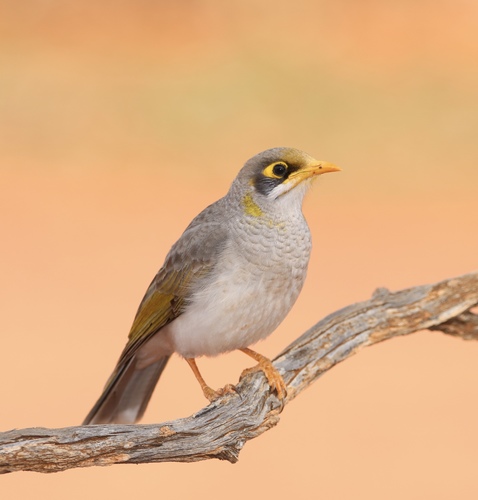
Manorina flavigula, the yellow-throated miner, is a medium-sized Australian hone…

How to identify Myzomela rubratra (R.Lesson, 1827)

Myzomela rubratra (R.Lesson, 1827)

Myzomela rubratra (R.Lesson, 1827)

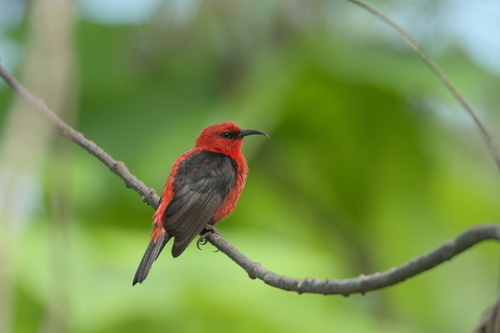
Myzomela rubratra, the Micronesian myzomela, is a nectar-feeding honeyeater foun…

Browse all 74 Meliphagidae species →

Frequently Asked Questions

How do you identify Meliphagidae?

Meliphagidae animals belong to the Passeriformes order in the Animalia kingdom. The most important habitat features for this species are a eucalyptus canopy, rough bark, and a shrub layer. For instant identification, use the iNature app — AI-powered and works offline.

What are the key characteristics of Meliphagidae?

Meliphagidae is classified in the order Passeriformes, class Aves, phylum Chordata. Juvenile birds have a distinct yellow cheek sash, which is less noticeable in adults; adult cheeks are mostly white, with a grey and/or brown streak below the cheek.

Sources: GBIF, iNaturalist, Wikipedia · Disclaimer

Start Exploring Nature Today

Download iNature for free. 10 identifications on us. No account needed. No credit card required.

Download Free on App Store