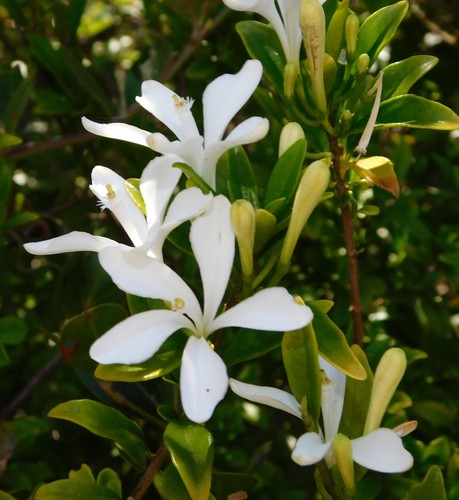
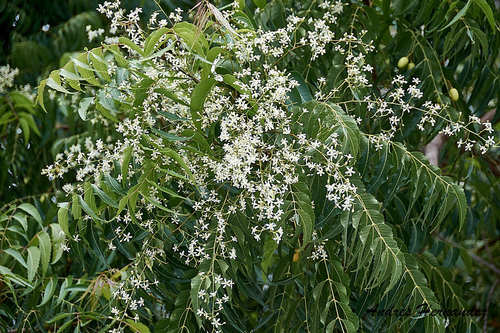
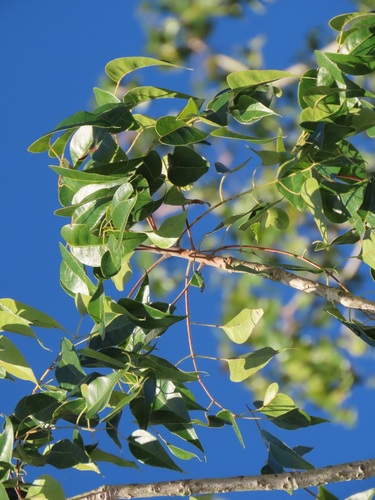
How to Identify Meliaceae

Meliaceae is a plant family in the Plantae kingdom, order Sapindales, class Magnoliopsida. The family contains 48 accepted species worldwide. Some species in this family are toxic — exercise caution when handling unknown specimens.

Key Identification Features

For instant identification in the field, use the iNature app — AI-powered, works offline.
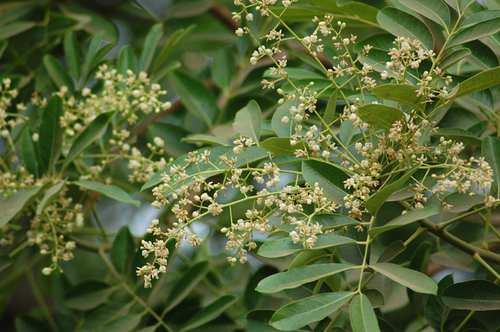
Representative Meliaceae Species

How to identify Khaya senegalensis (Desv.) A.Juss.

Khaya senegalensis (Desv.) A.Juss.

Khaya senegalensis (Desv.) A.Juss.

Khaya senegalensis (African mahogany) is a native African tree with useful timbe…

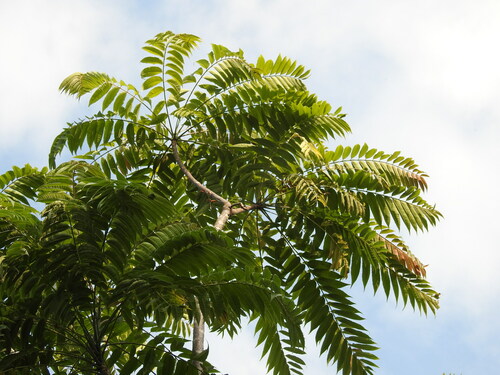
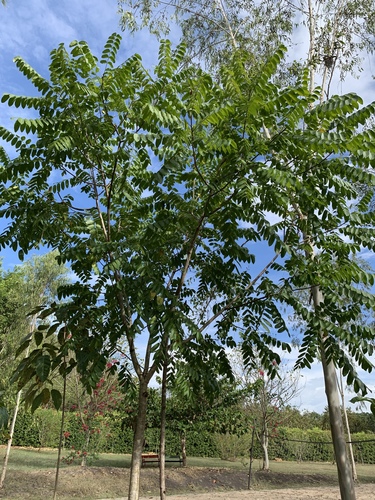
How to identify Toona sinensis (A.Juss.) M.Roem.

Toona sinensis (A.Juss.) M.Roem.

Toona sinensis (A.Juss.) M.Roem.

Toona sinensis is a deciduous tree valued for its edible leaves, timber, ornamen…

How to identify Aphanamixis polystachya (Wall.) R.Parker

Aphanamixis polystachya (Wall.) R.Parker

Aphanamixis polystachya (Wall.) R.Parker

Aphanamixis polystachya is a 20m tree with non-edible oil and fine wood for cons…

How to identify Didymocheton spectabilis (G.Forst.) Mabb. & Holzmeyer

Didymocheton spectabilis (G.Forst.) Mabb. & Holzmeyer

Didymocheton spectabilis (G.Forst.) Mabb. & Holzmeyer

Didymocheton spectabilis, commonly kohekohe, is a New Zealand tree with tropical…

How to identify Cedrela odorata L.

Cedrela odorata L.

Cedrela odorata L.

Cedrela odorata (Spanish cedar) is a commercially valuable New World tropical tr…

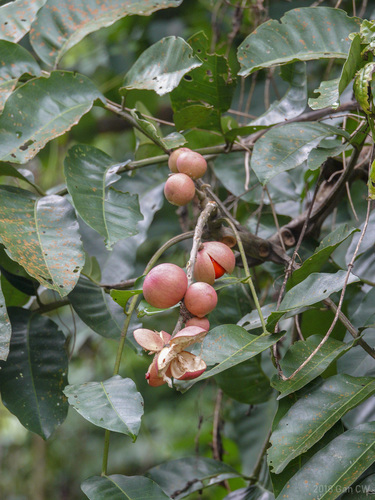
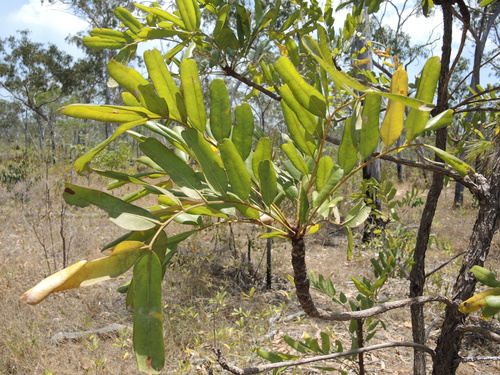
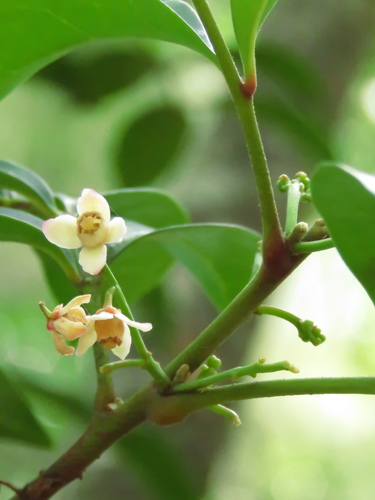
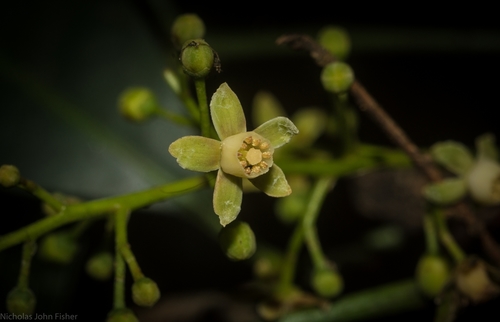
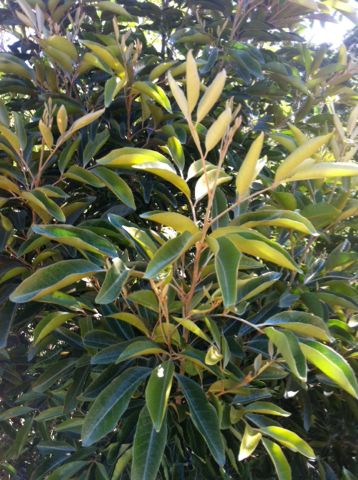
How to identify Owenia vernicosa F.Muell.

Owenia vernicosa F.Muell.

Owenia vernicosa F.Muell.

Owenia vernicosa (emu apple) is a northern Australian tree with documented tradi…

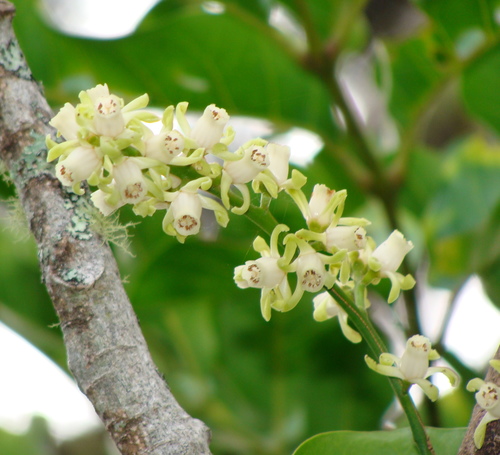
How to identify Synoum glandulosum (Sm.) A.Juss.

Synoum glandulosum (Sm.) A.Juss.

Synoum glandulosum (Sm.) A.Juss.

Synoum glandulosum, or scentless rosewood, is the only species in the monotypic …

How to identify Anthocarapa nitidula (Benth.) T.D.Penn. ex Mabb.

Anthocarapa nitidula (Benth.) T.D.Penn. ex Mabb.

Anthocarapa nitidula (Benth.) T.D.Penn. ex Mabb.

Anthocarapa nitidula, the only species in the monotypic genus Anthocarapa (Melia…

How to identify Aglaia elaeagnoidea (A.Juss.) Benth.

Aglaia elaeagnoidea (A.Juss.) Benth.

Aglaia elaeagnoidea (A.Juss.) Benth.

Aglaia elaeagnoidea is a tree with hard bright red timber, used for construction…

How to identify Turraea obtusifolia Hochst.

Turraea obtusifolia Hochst.

Turraea obtusifolia Hochst.

Turraea obtusifolia is a small flowering Meliaceae plant native to southern Afri…

How to identify Azadirachta indica A.Juss.

Azadirachta indica A.Juss.

Azadirachta indica A.Juss.

Azadirachta indica, the neem tree, is a drought-tolerant tropical tree with a lo…

⚠️ Poisonous
How to identify Entandrophragma caudatum (Sprague) Sprague

Entandrophragma caudatum (Sprague) Sprague

Entandrophragma caudatum (Sprague) Sprague

Entandrophragma caudatum, or mountain mahogany, is a large Southern African deci…

Browse all 48 Meliaceae species →

Frequently Asked Questions

How do you identify Meliaceae?

Meliaceae plants belong to the Sapindales order in the Plantae kingdom. Its bark is dark grey to grey-brown, while its heartwood is brown with a pink-red tint and features coarse interlocking grains. For instant identification, use the iNature app — AI-powered and works offline.

What are the key characteristics of Meliaceae?

Meliaceae is classified in the order Sapindales, class Magnoliopsida, phylum Tracheophyta. This species is distinguished by its leaves, which grow in a spiral arrangement and cluster at the ends of branches.

⚠️ Are any Meliaceae species poisonous?

Yes, some Meliaceae species are toxic or poisonous. Always exercise caution with unknown specimens. View poisonous Meliaceae species or browse the full poisonous species guide.

Sources: GBIF, iNaturalist, Wikipedia · Disclaimer

Start Exploring Nature Today

Download iNature for free. 10 identifications on us. No account needed. No credit card required.

Download Free on App Store