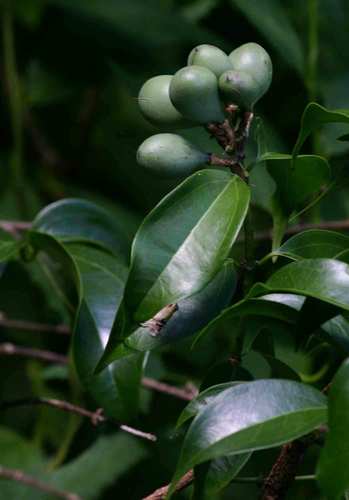
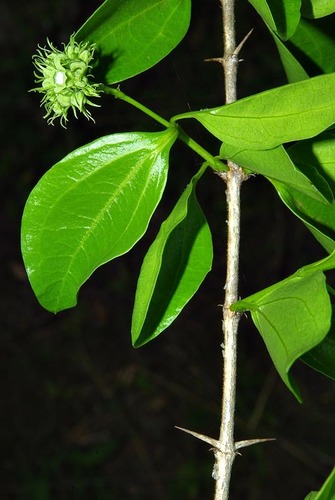
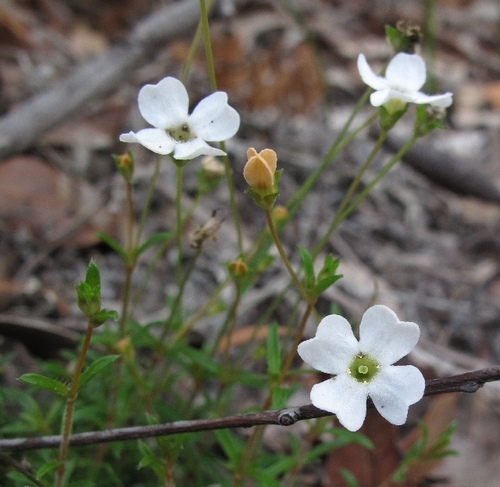
How to Identify Loganiaceae

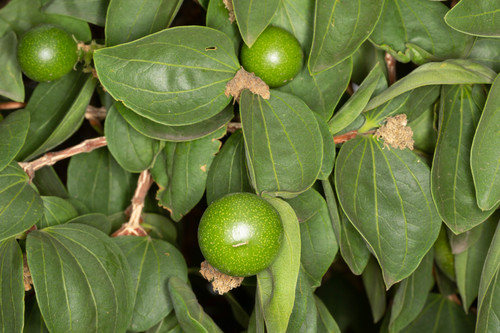
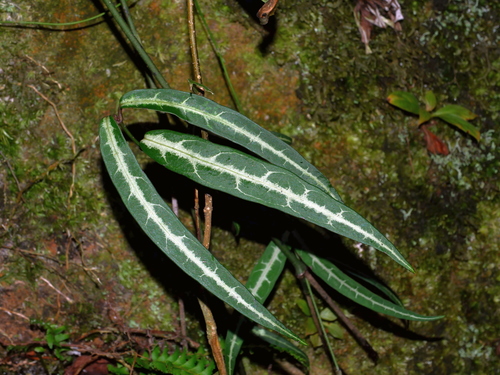
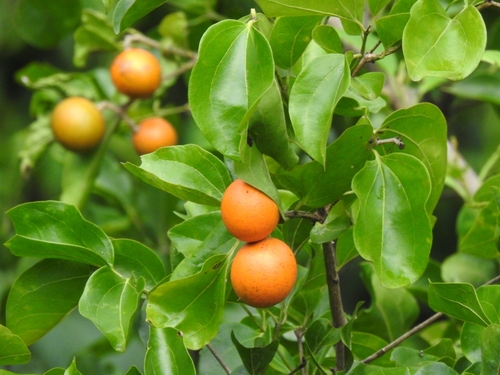
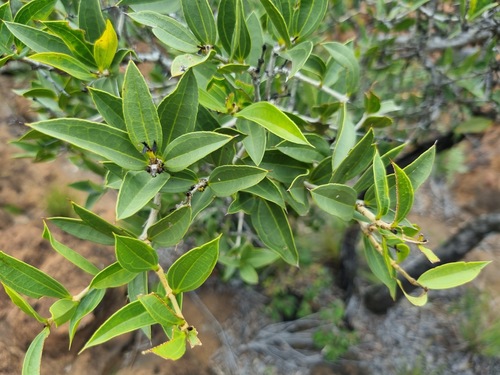
Loganiaceae is a plant family in the Plantae kingdom, order Gentianales, class Magnoliopsida. The family contains 29 accepted species worldwide. Some species in this family are toxic — exercise caution when handling unknown specimens.

Key Identification Features

For instant identification in the field, use the iNature app — AI-powered, works offline.
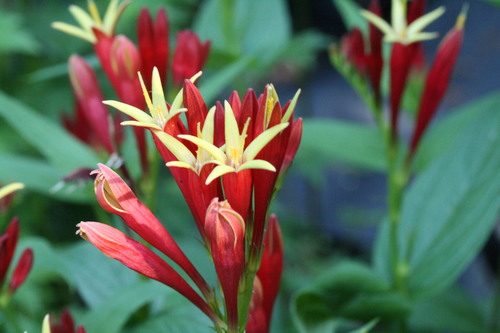
Representative Loganiaceae Species

How to identify Spigelia marilandica (L.) L.

Spigelia marilandica (L.) L.

Spigelia marilandica (L.) L.

Spigelia marilandica is a North American native perennial herb grown as an ornam…

⚠️ Poisonous
How to identify Strychnos cocculoides Baker

Strychnos cocculoides Baker

Strychnos cocculoides Baker

Strychnos cocculoides is a Southern African fruiting tree whose flavorful fruit …

How to identify Gardneria multiflora Makino

Gardneria multiflora Makino

Gardneria multiflora Makino

Gardneria multiflora is a medicinal creeping flowering plant native to East Asia…

How to identify Strychnos nux-vomica L.

Strychnos nux-vomica L.

Strychnos nux-vomica L.

Strychnos nux-vomica is a toxic medium-sized tree, source of strychnine, with re…

How to identify Strychnos pungens Soler.

Strychnos pungens Soler.

Strychnos pungens Soler.

Strychnos pungens is a southern African tree in the Loganiaceae family with edib…

How to identify Strychnos madagascariensis Poir.

Strychnos madagascariensis Poir.

Strychnos madagascariensis Poir.

Strychnos madagascariensis Poir. is an African poisonous tree with edible fruit …

⚠️ Poisonous
How to identify Mitreola sessilifolia (J.F.Gmel.) G.Don

Mitreola sessilifolia (J.F.Gmel.) G.Don

Mitreola sessilifolia (J.F.Gmel.) G.Don

Mitreola sessilifolia, or swamp hornpod, is a small flowering FACW plant native …

How to identify Geniostoma ligustrifolium A.Cunn.

Geniostoma ligustrifolium A.Cunn.

Geniostoma ligustrifolium A.Cunn.

Geniostoma ligustrifolium is an endemic New Zealand shrub, popular as a garden s…

How to identify Strychnos psilosperma F.Muell.

Strychnos psilosperma F.Muell.

Strychnos psilosperma F.Muell.

Strychnos psilosperma, the strychnine tree, is an endemic Australian toxic shrub…

How to identify Strychnos usambarensis Gilg ex Engl.

Strychnos usambarensis Gilg ex Engl.

Strychnos usambarensis Gilg ex Engl.

Strychnos usambarensis is a Sub-Saharan African woody plant, used by local Bantu…

How to identify Strychnos spinosa Lam.

Strychnos spinosa Lam.

Strychnos spinosa Lam.

Strychnos spinosa, the Natal orange, is an African tree with edible fruit that i…

⚠️ Poisonous
How to identify Mitrasacme polymorpha R.Br.

Mitrasacme polymorpha R.Br.

Mitrasacme polymorpha R.Br.

Mitrasacme polymorpha R.Br. is a common small perennial herb found across easter…

Browse all 29 Loganiaceae species →

Frequently Asked Questions

How do you identify Loganiaceae?

Loganiaceae plants belong to the Gentianales order in the Plantae kingdom. Seeds are shaped like flattened disks, and are completely covered in hairs that radiate out from the center of their sides, giving the seeds a very distinct characteristic sheen. For instant identification, use the iNature app — AI-powered and works offline.

What are the key characteristics of Loganiaceae?

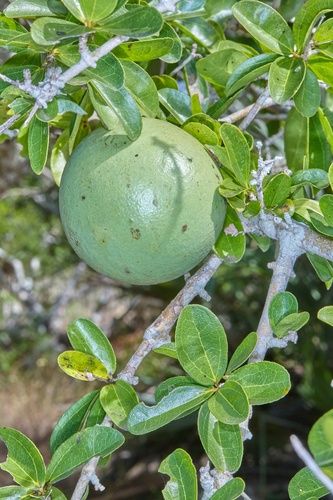
Loganiaceae is classified in the order Gentianales, class Magnoliopsida, phylum Tracheophyta. 1 in) in diameter, and is distinctively blue-green when young, turning yellow when mature.

⚠️ Are any Loganiaceae species poisonous?

Yes, some Loganiaceae species are toxic or poisonous. Always exercise caution with unknown specimens. View poisonous Loganiaceae species or browse the full poisonous species guide.

Sources: GBIF, iNaturalist, Wikipedia · Disclaimer

Start Exploring Nature Today

Download iNature for free. 10 identifications on us. No account needed. No credit card required.

Download Free on App Store