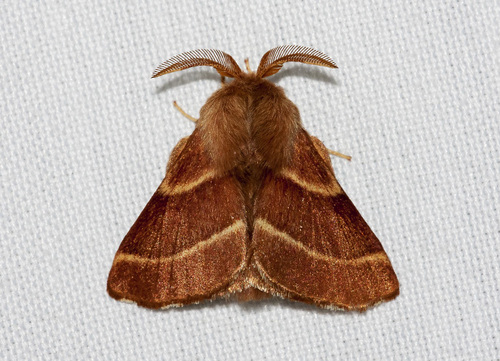
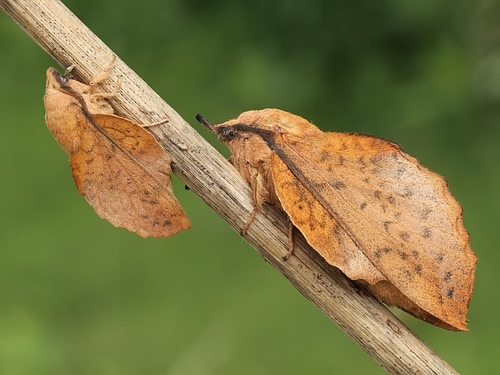
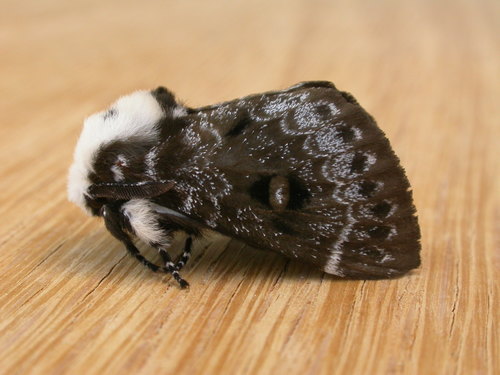
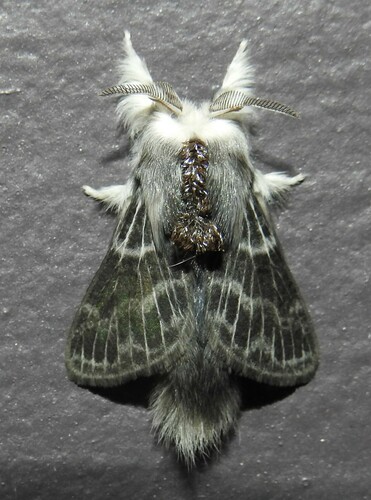
How to Identify Lasiocampidae

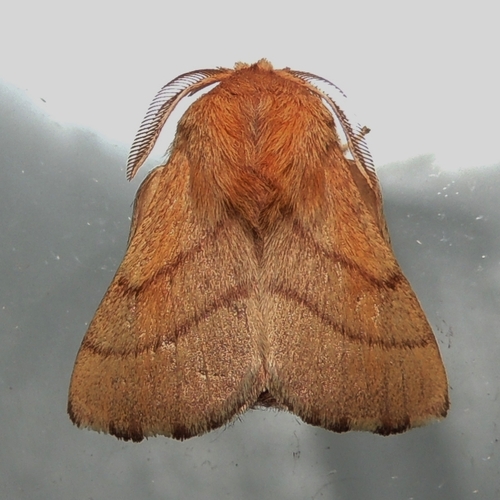
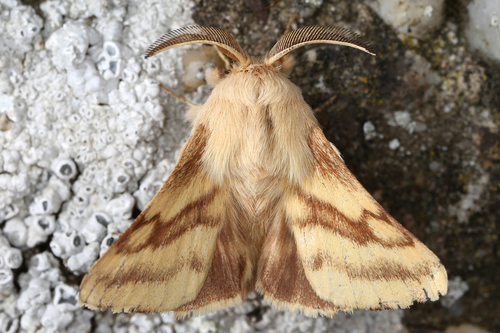
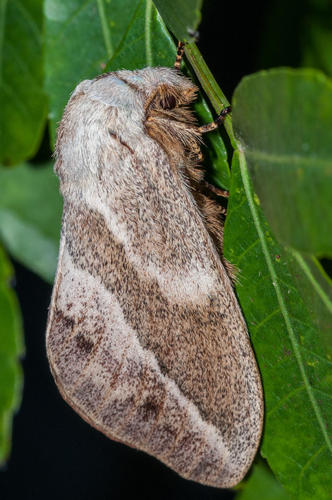
Lasiocampidae is a animal family in the Animalia kingdom, order Lepidoptera, class Insecta. The family contains 95 accepted species worldwide.

Key Identification Features

For instant identification in the field, use the iNature app — AI-powered, works offline.
Representative Lasiocampidae Species

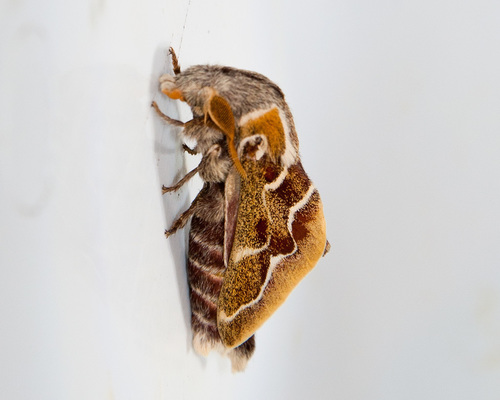
How to identify Gastropacha pardale

Gastropacha pardale

Gastropacha pardale

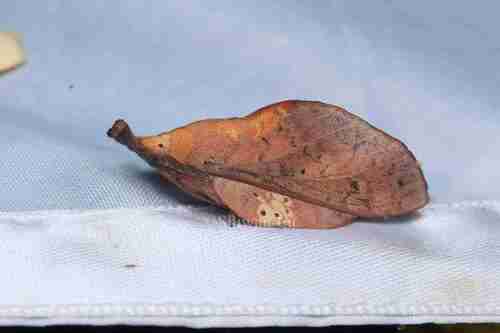
Gastropacha pardale is a dimorphic moth found across much of Asia and parts of t…

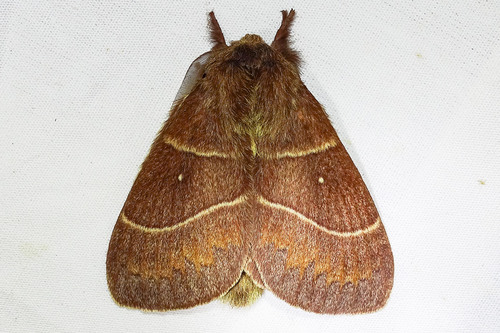
How to identify Malacosoma californica (Packard, 1864)

Malacosoma californica (Packard, 1864)

Malacosoma californica (Packard, 1864)

Malacosoma californica, the Western Tent caterpillar, is a moth species with dis…

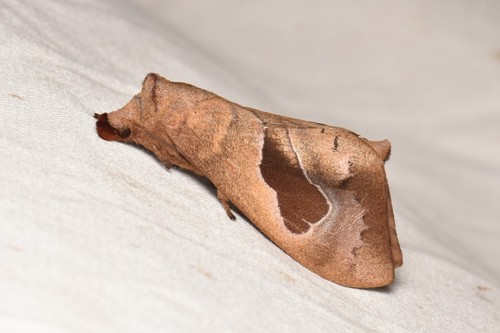
How to identify Gastropacha populifolia (Esper, 1784)

Gastropacha populifolia (Esper, 1784)

Gastropacha populifolia (Esper, 1784)

Gastropacha populifolia, the poplar lappet, is a lasiocampid moth distributed ac…

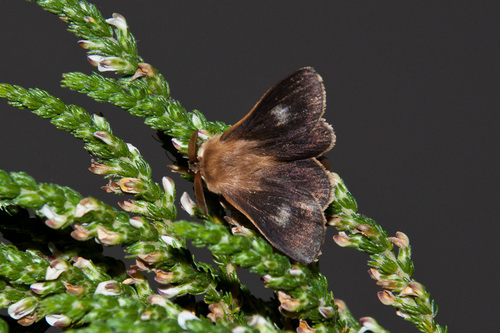
How to identify Genduara punctigera (Walker, 1855)

Genduara punctigera (Walker, 1855)

Genduara punctigera (Walker, 1855)

Genduara punctigera is a 50 mm wingspan Lasiocampidae moth found in southeastern…

How to identify Tolype laricis (Fitch, 1856)

Tolype laricis (Fitch, 1856)

Tolype laricis (Fitch, 1856)

Tolype laricis, the larch tolype or larch lappet moth, is a Lasiocampidae moth f…

How to identify Streblote cristata (Stoll, 1782)

Streblote cristata (Stoll, 1782)

Streblote cristata (Stoll, 1782)

Streblote cristata is a Lasiocampidae moth species described in 1782, found in S…

How to identify Dicogaster coronada (Barnes, 1904)

Dicogaster coronada (Barnes, 1904)

Dicogaster coronada (Barnes, 1904)

Dicogaster coronada is the only species in the Lasiocampidae moth genus Dicogast…

How to identify Mesocelis monticola Hübner, 1820

Mesocelis monticola Hübner, 1820

Mesocelis monticola Hübner, 1820

Mesocelis is a monotypic moth genus in Lasiocampidae; its only species, Mesoceli…

How to identify Paralebeda plagifera (Walker, 1855)

Paralebeda plagifera (Walker, 1855)

Paralebeda plagifera (Walker, 1855)

Paralebeda plagifera is a lasiocampid moth found across parts of South, East, an…

How to identify Malacosoma disstria Hübner

Malacosoma disstria Hübner

Malacosoma disstria Hübner

Malacosoma disstria Hübner is a North American moth with distinct larval and adu…

How to identify Malacosoma castrense (Linnaeus, 1758)

Malacosoma castrense (Linnaeus, 1758)

Malacosoma castrense (Linnaeus, 1758)

The ground lackey (Malacosoma castrense) is a non-threatened tent caterpillar mo…

How to identify Eutricha capensis (Linnaeus, 1767)

Eutricha capensis (Linnaeus, 1767)

Eutricha capensis (Linnaeus, 1767)

Eutricha capensis, the Cape lappet moth, is a moth species found mainly in south…

Browse all 95 Lasiocampidae species →

Frequently Asked Questions

How do you identify Lasiocampidae?

Lasiocampidae animals belong to the Lepidoptera order in the Animalia kingdom. Four indistinct, waved, suffused dark lines mark the forewings, and a black speck sits at the end of the cell. For instant identification, use the iNature app — AI-powered and works offline.

What are the key characteristics of Lasiocampidae?

Lasiocampidae is classified in the order Lepidoptera, class Insecta, phylum Arthropoda. Hindwings are ochreous or red brown, with three indistinct waved lines in the inner area, and a large ochreous patch below the costa.

Sources: GBIF, iNaturalist, Wikipedia · Disclaimer

Start Exploring Nature Today

Download iNature for free. 10 identifications on us. No account needed. No credit card required.

Download Free on App Store