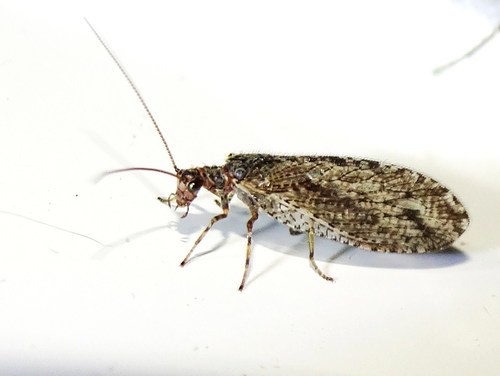
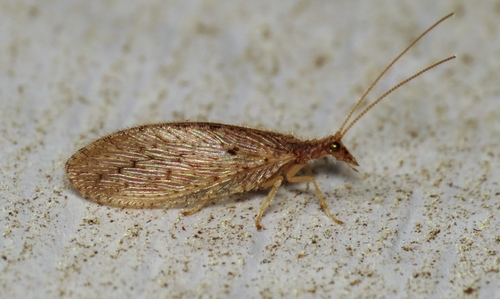
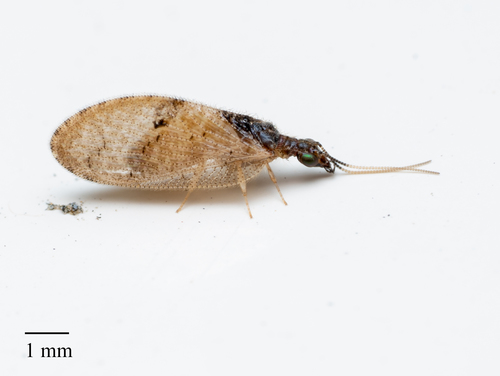
How to Identify Hemerobiidae

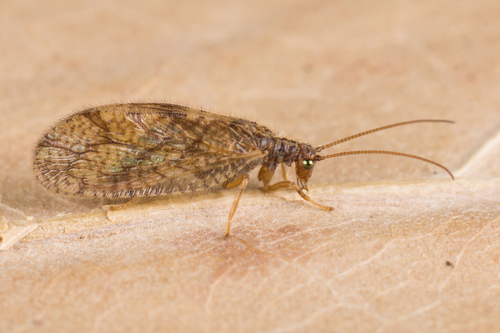
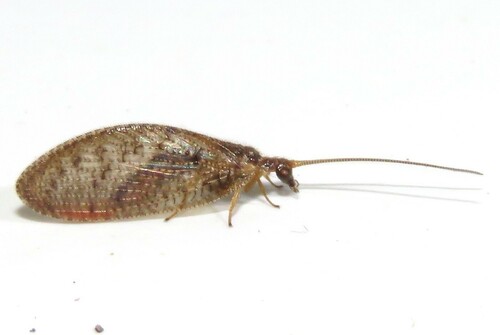
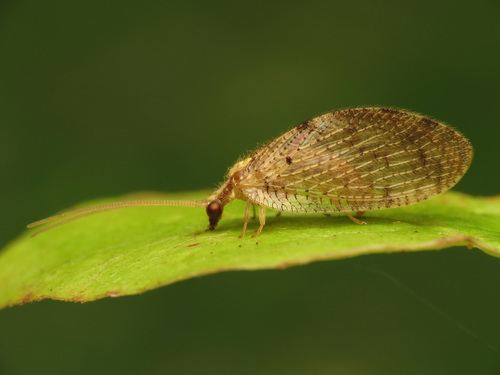
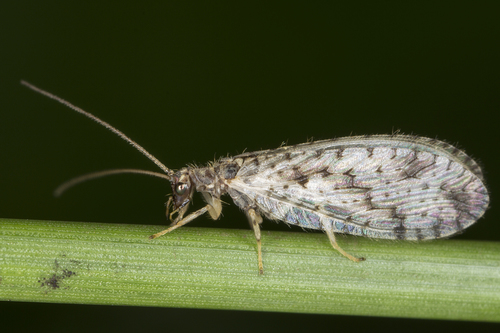
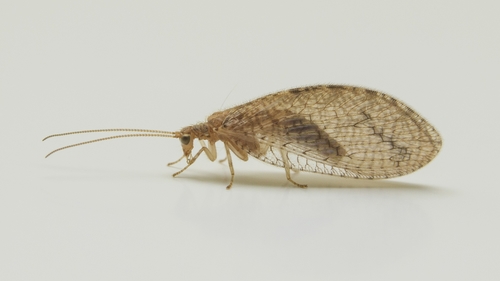
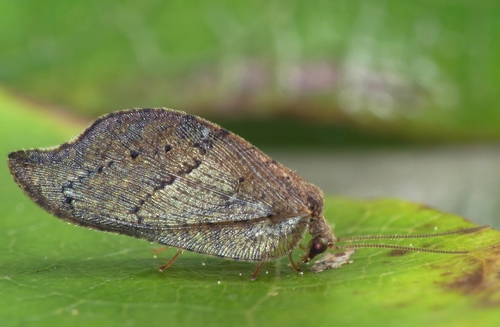
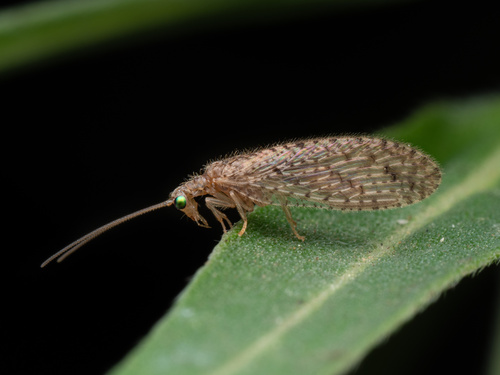
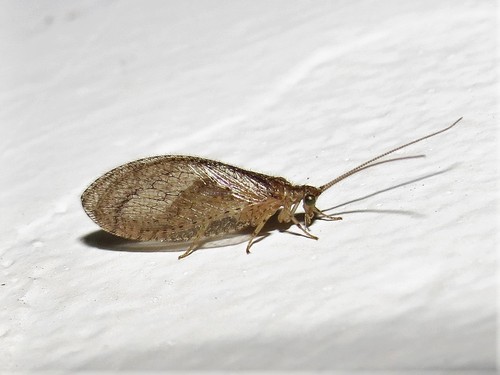
Hemerobiidae is a animal family in the Animalia kingdom, order Neuroptera, class Insecta. The family contains 21 accepted species worldwide.

Key Identification Features

For instant identification in the field, use the iNature app — AI-powered, works offline.
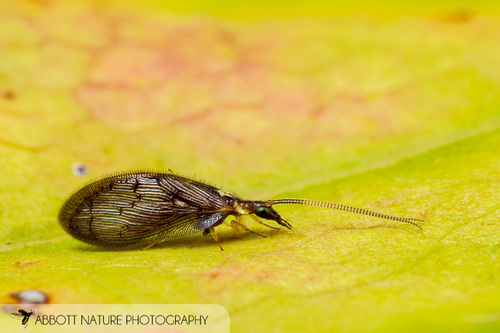
Representative Hemerobiidae Species

How to identify Sympherobius occidentalis (Fitch, 1855)

Sympherobius occidentalis (Fitch, 1855)

Sympherobius occidentalis (Fitch, 1855)

Sympherobius occidentalis is a brown lacewing species in the Hemerobiidae family…

How to identify Micromus angulatus (Stephens, 1836)

Micromus angulatus (Stephens, 1836)

Micromus angulatus (Stephens, 1836)

Micromus angulatus is a brown lacewing species in the Hemerobiidae family, found…

How to identify Hemerobius stigma Stephens, 1836

Hemerobius stigma Stephens, 1836

Hemerobius stigma Stephens, 1836

Hemerobius stigma is a brown lacewing species native to the Northern Hemisphere,…

How to identify Hemerobius humulinus Linnaeus, 1758

Hemerobius humulinus Linnaeus, 1758

Hemerobius humulinus Linnaeus, 1758

Hemerobius humulinus is a brown lacewing species in the Hemerobiidae family, dis…

How to identify Micromus variegatus (Fabricius, 1793)

Micromus variegatus (Fabricius, 1793)

Micromus variegatus (Fabricius, 1793)

Micromus variegatus is a brown lacewing species in the Hemerobiidae family, foun…

How to identify Micromus posticus (Walker, 1853)

Micromus posticus (Walker, 1853)

Micromus posticus (Walker, 1853)

Micromus posticus is a 7–9.5 mm long macropterous insect identifiable by specifi…

How to identify Drepanacra binocula (Newman, 1838)

Drepanacra binocula (Newman, 1838)

Drepanacra binocula (Newman, 1838)

Drepanacra binocula, the Australian variable lacewing, is a predatory brown-wing…

How to identify Micromus tasmaniae (Walker, 1860)

Micromus tasmaniae (Walker, 1860)

Micromus tasmaniae (Walker, 1860)

Micromus tasmaniae, the Tasmanian Brown Lacewing, is a common predatory lacewing…

How to identify Nusalala tessellata (Gerstaecker, 1888)

Nusalala tessellata (Gerstaecker, 1888)

Nusalala tessellata (Gerstaecker, 1888)

Nusalala tessellata is a Neotropical insect species of genus Nusalala that preys…

How to identify Micromus variolosus Hagen, 1886

Micromus variolosus Hagen, 1886

Micromus variolosus Hagen, 1886

Micromus variolosus is a North American brown lacewing species in the Hemerobiid…

How to identify Micromus subanticus (Walker, 1853)

Micromus subanticus (Walker, 1853)

Micromus subanticus (Walker, 1853)

Micromus subanticus is a brown lacewing species in the family Hemerobiidae found…

How to identify Sympherobius barberi (Banks, 1903)

Sympherobius barberi (Banks, 1903)

Sympherobius barberi (Banks, 1903)

Sympherobius barberi (Barber's brown lacewing) is a brown lacewing species that …

Browse all 21 Hemerobiidae species →

Frequently Asked Questions

How do you identify Hemerobiidae?

Hemerobiidae animals belong to the Neuroptera order in the Animalia kingdom. Drepanacra binocula can be identified by the distinct shape and brown color of its wings. For instant identification, use the iNature app — AI-powered and works offline.

What are the key characteristics of Hemerobiidae?

Hemerobiidae is classified in the order Neuroptera, class Insecta, phylum Arthropoda. It typically has a brown body and clear wings, with a spotted pattern on its anterior wings that distinguishes it from Micromus bifasciatus, which has brown transverse bands on its wings.

Sources: GBIF, iNaturalist, Wikipedia · Disclaimer

Start Exploring Nature Today

Download iNature for free. 10 identifications on us. No account needed. No credit card required.

Download Free on App Store