How to Identify Haemodoraceae

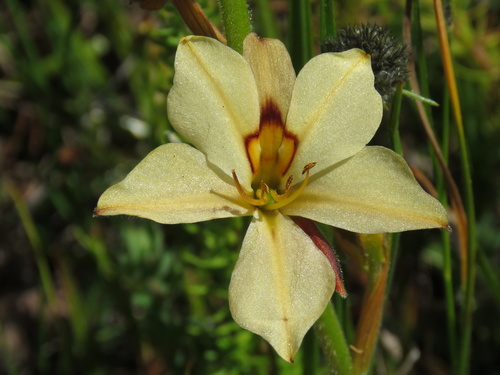
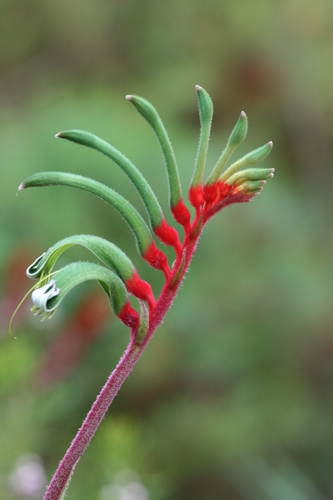
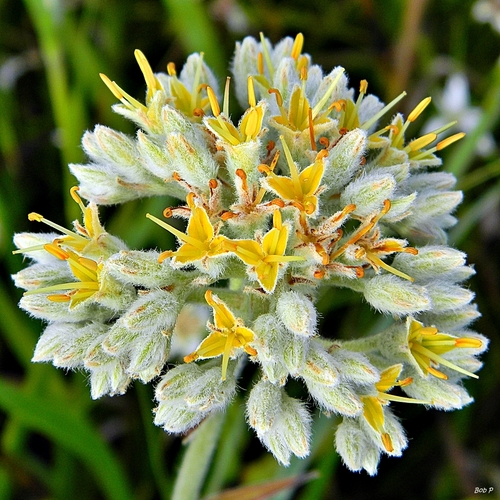
Haemodoraceae is a plant family in the Plantae kingdom, order Commelinales, class Liliopsida. The family contains 26 accepted species worldwide.

Key Identification Features

For instant identification in the field, use the iNature app — AI-powered, works offline.
Representative Haemodoraceae Species

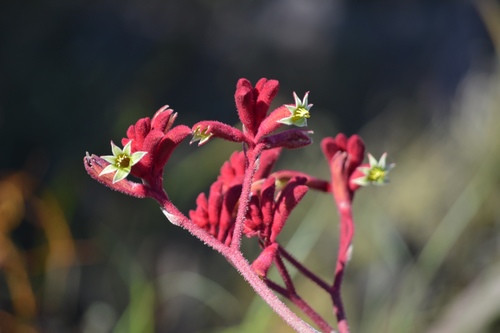
How to identify Anigozanthos rufus Labill.

Anigozanthos rufus Labill.

Anigozanthos rufus Labill.

Anigozanthos rufus, the red kangaroo paw, is a cultivated Australian flowering p…

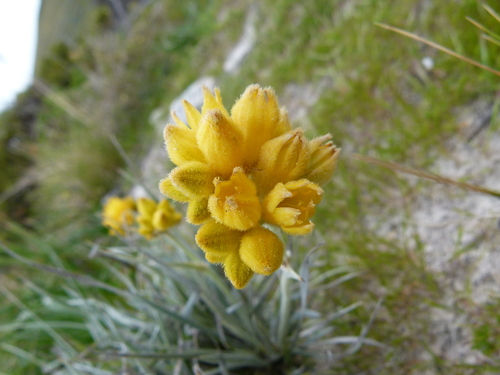
How to identify Conostylis candicans Endl.

Conostylis candicans Endl.

Conostylis candicans Endl.

Conostylis candicans Endl., or grey cottonheads, is a low perennial herb with ye…

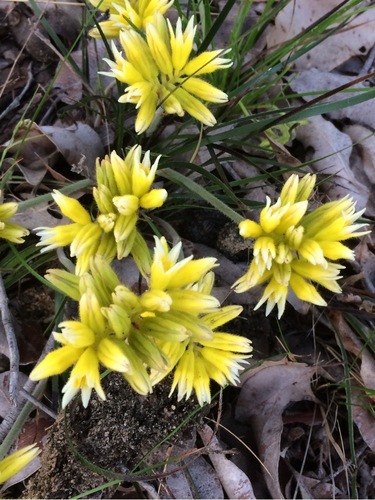
How to identify Conostylis aculeata R.Br.

Conostylis aculeata R.Br.

Conostylis aculeata R.Br.

Conostylis aculeata R.Br. is a perennial clumping flowering plant widespread in …

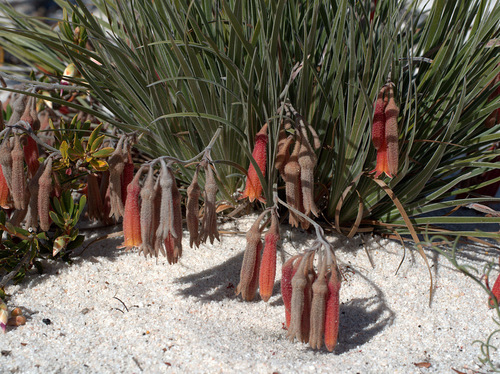
How to identify Blancoa canescens Lindl.

Blancoa canescens Lindl.

Blancoa canescens Lindl.

Blancoa canescens, the winter bell, is a bird-pollinated perennial herb endemic …

How to identify Wachendorfia paniculata L.

Wachendorfia paniculata L.

Wachendorfia paniculata L.

Wachendorfia paniculata (Koffiepit) is a perennial herb native to South Africa, …

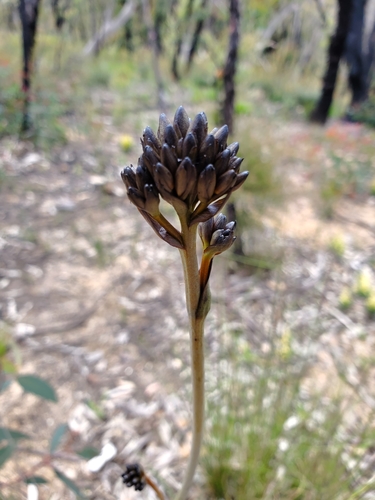
How to identify Haemodorum planifolium R.Br.

Haemodorum planifolium R.Br.

Haemodorum planifolium R.Br.

Haemodorum planifolium is a southeastern Australian native shrub split into four…

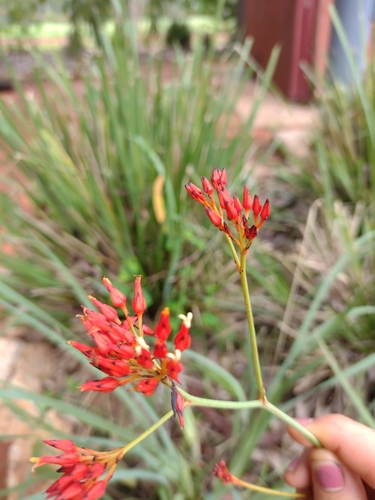
How to identify Haemodorum coccineum R.Br.

Haemodorum coccineum R.Br.

Haemodorum coccineum R.Br.

Haemodorum coccineum is a perennial red-flowered herb native to northern Austral…

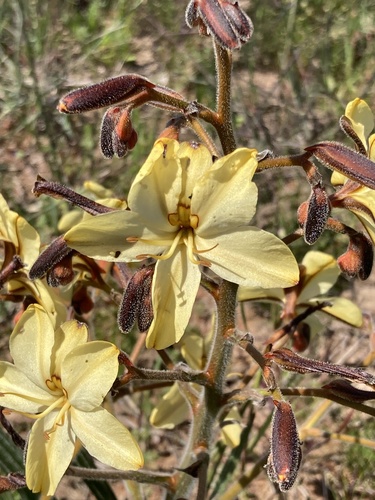
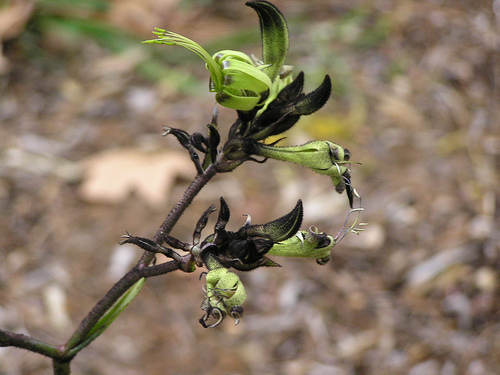
How to identify Macropidia fuliginosa (Hook.) Druce

Macropidia fuliginosa (Hook.) Druce

Macropidia fuliginosa (Hook.) Druce

Macropidia fuliginosa is a small perennial herb native to southwest Western Aust…

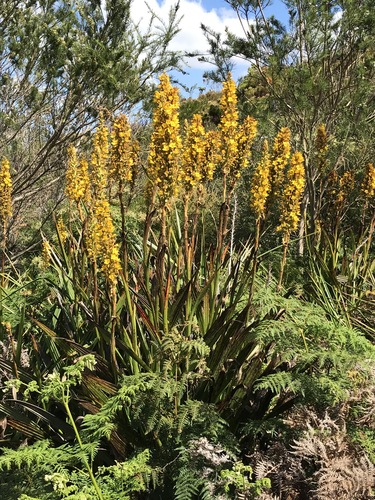
How to identify Wachendorfia thyrsiflora L.

Wachendorfia thyrsiflora L.

Wachendorfia thyrsiflora L.

Wachendorfia thyrsiflora, the marsh butterfly lily, is a perennial herb native t…

How to identify Wachendorfia brachyandra W.F.Barker

Wachendorfia brachyandra W.F.Barker

Wachendorfia brachyandra W.F.Barker

Wachendorfia brachyandra, the short-stamen butterfly-lily, is a vulnerable vulne…

How to identify Anigozanthos manglesii D.Don

Anigozanthos manglesii D.Don

Anigozanthos manglesii D.Don

Anigozanthos manglesii D.Don is a rhizomatous perennial flowering plant native t…

How to identify Lachnanthes caroliana (Lam.) Dandy

Lachnanthes caroliana (Lam.) Dandy

Lachnanthes caroliana (Lam.) Dandy

Lachnanthes caroliana is the only species in the Lachnanthes genus, native to ea…

Browse all 26 Haemodoraceae species →

Frequently Asked Questions

How do you identify Haemodoraceae?

Haemodoraceae plants belong to the Commelinales order in the Plantae kingdom. Using available collections and in situ observation, researchers determined that what was previously identified as Haemodorum planifolium actually contains four distinct species. For instant identification, use the iNature app — AI-powered and works offline.

What are the key characteristics of Haemodoraceae?

Haemodoraceae is classified in the order Commelinales, class Liliopsida, phylum Tracheophyta. The family contains 26 accepted species worldwide.

Sources: GBIF, iNaturalist, Wikipedia · Disclaimer

Start Exploring Nature Today

Download iNature for free. 10 identifications on us. No account needed. No credit card required.

Download Free on App Store