How to Identify Geometridae

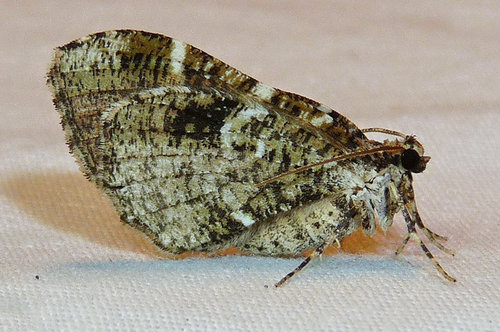
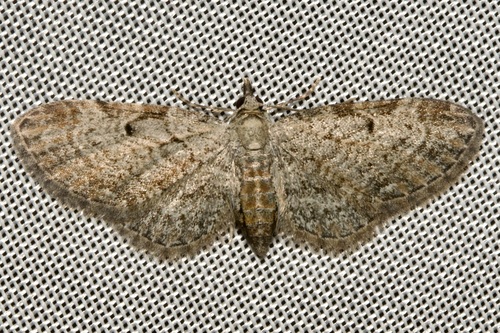
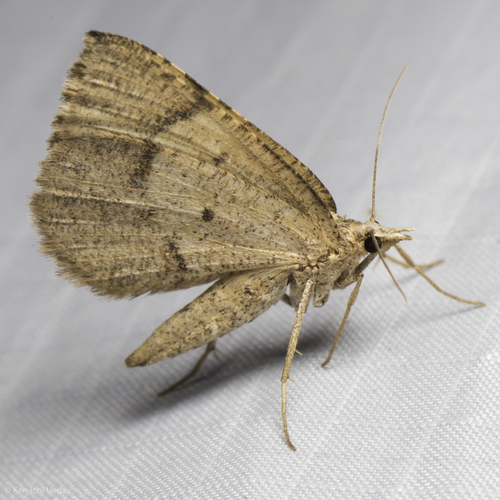
Geometridae is a animal family in the Animalia kingdom, order Lepidoptera, class Insecta. The family contains 1,546 accepted species worldwide.

Key Identification Features

For instant identification in the field, use the iNature app — AI-powered, works offline.
Representative Geometridae Species

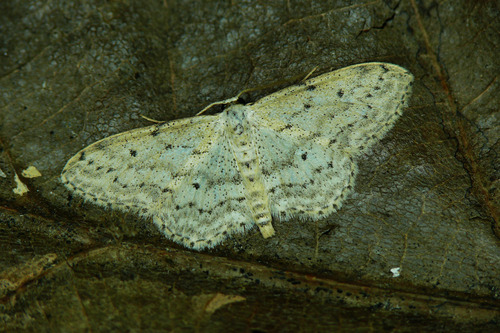
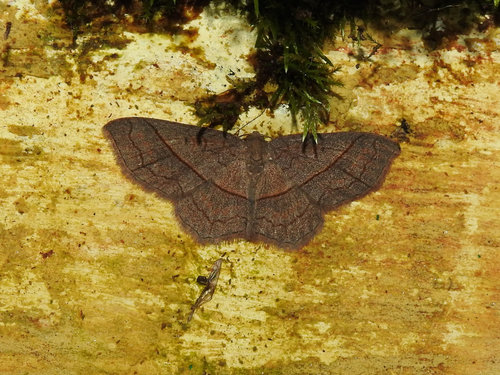
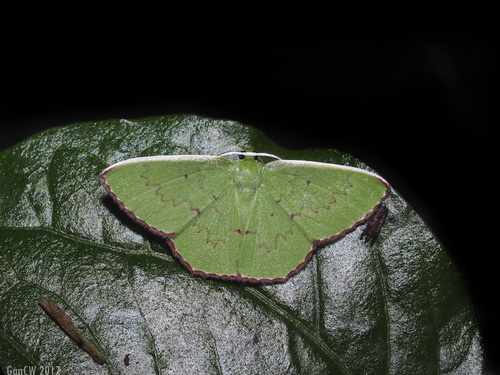
How to identify Oenospila flavifusata (Walker, 1861)

Oenospila flavifusata (Walker, 1861)

Oenospila flavifusata (Walker, 1861)

Oenospila flavifusata is a geometrid moth found from the Oriental tropics to Sun…

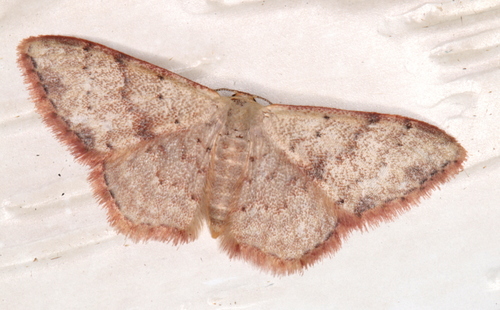
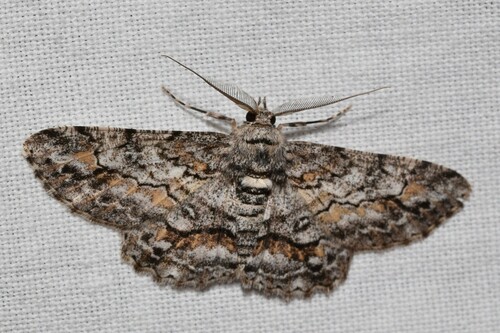
How to identify Idaea seriata (Schrank, 1802)

Idaea seriata (Schrank, 1802)

Idaea seriata (Schrank, 1802)

Idaea seriata is a highly variable geometer moth with a description of wing mark…

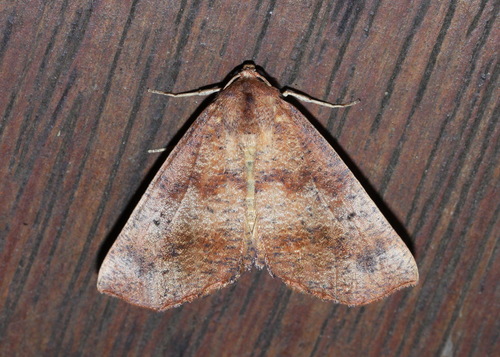
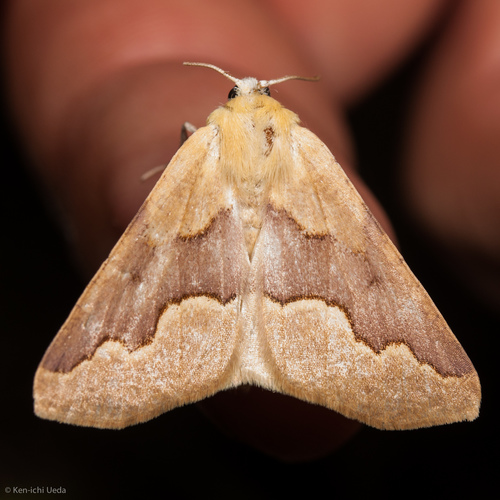
How to identify Idaea halmaea (Meyrick, 1888)

Idaea halmaea (Meyrick, 1888)

Idaea halmaea (Meyrick, 1888)

Idaea halmaea, the two-spotted wave, is a geometrid moth found in Australia, fir…

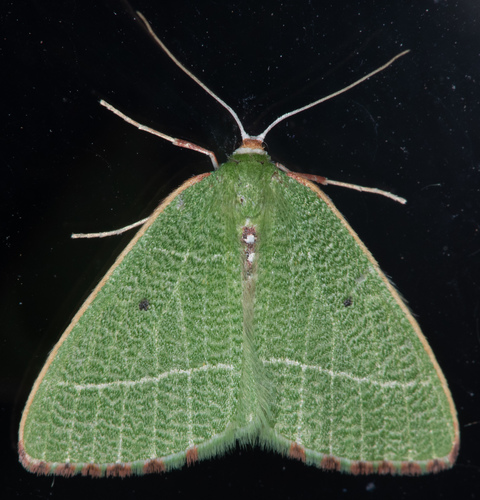
How to identify Mnesampela privata (Guenée, 1857)

Mnesampela privata (Guenée, 1857)

Mnesampela privata (Guenée, 1857)

Mnesampela privata, the autumn gum moth, is a pest moth of Eucalyptus plantation…

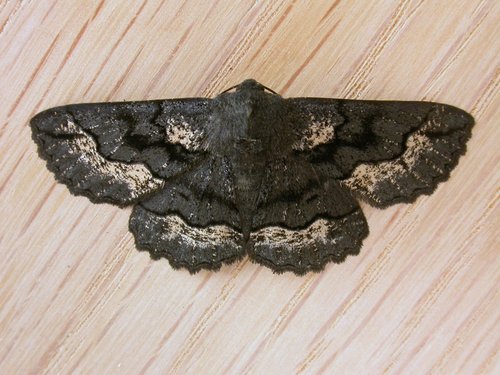
How to identify Melanodes anthracitaria Guenée, 1857

Melanodes anthracitaria Guenée, 1857

Melanodes anthracitaria Guenée, 1857

Melanodes anthracitaria, the black geometrid, is the only species of the monotyp…

How to identify Hydrelia sericea (Butler, 1880)

Hydrelia sericea (Butler, 1880)

Hydrelia sericea (Butler, 1880)

Hydrelia sericea is a Geometridae moth described in 1880, found in China, Nepal,…

How to identify Cleora injectaria (Walker, 1860)

Cleora injectaria (Walker, 1860)

Cleora injectaria (Walker, 1860)

Cleora injectaria is a moth with 9 color morphs, whose larvae feed on multiple g…

How to identify Sabulodes spoliata (Grossbeck, 1908)

Sabulodes spoliata (Grossbeck, 1908)

Sabulodes spoliata (Grossbeck, 1908)

Sabulodes spoliata is a geometrid moth species found in North America, with Hodg…

How to identify Nemoria pulcherrima (Barnes & McDunnough, 1916)

Nemoria pulcherrima (Barnes & McDunnough, 1916)

Nemoria pulcherrima (Barnes & McDunnough, 1916)

Nemoria pulcherrima is a North American emerald moth species first described in …

How to identify Stamnodes gibbicostata Walker, 1862

Stamnodes gibbicostata Walker, 1862

Stamnodes gibbicostata Walker, 1862

Stamnodes gibbicostata, the shiny gray carpet moth, is a geometrid moth found in…

How to identify Eupithecia tenuiata (Hübner)

Eupithecia tenuiata (Hübner)

Eupithecia tenuiata (Hübner)

Eupithecia tenuiata (Hübner) is a small single-brooded geometrid moth found acro…

How to identify Sericosema juturnaria (Guenée, 1857)

Sericosema juturnaria (Guenée, 1857)

Sericosema juturnaria (Guenée, 1857)

Sericosema juturnaria, the Bordered Fawn, is a North American geometrid moth in …

Browse all 1,546 Geometridae species →

Frequently Asked Questions

How do you identify Geometridae?

Geometridae animals belong to the Lepidoptera order in the Animalia kingdom. Adult moths are greyish or pale brown, with complex, variable darker markings, and the species has around nine distinct color morphs. For instant identification, use the iNature app — AI-powered and works offline.

What are the key characteristics of Geometridae?

Geometridae is classified in the order Lepidoptera, class Insecta, phylum Arthropoda. It is classified as a geometrid moth, a group known for the characteristic "looping" movement of its caterpillars.

Sources: GBIF, iNaturalist, Wikipedia · Disclaimer

Start Exploring Nature Today

Download iNature for free. 10 identifications on us. No account needed. No credit card required.

Download Free on App Store