How to Identify Gentianaceae

Gentianaceae is a plant family in the Plantae kingdom, order Gentianales, class Magnoliopsida. The family contains 220 accepted species worldwide. Some species in this family are toxic — exercise caution when handling unknown specimens.

Key Identification Features

For instant identification in the field, use the iNature app — AI-powered, works offline.

Representative Gentianaceae Species

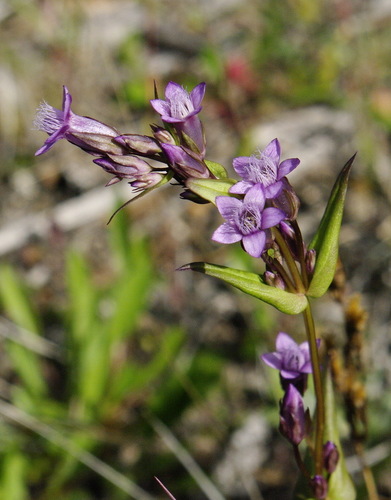
How to identify Gentianopsis virgata (Raf.) Holub

Gentianopsis virgata (Raf.) Holub

Gentianopsis virgata (Raf.) Holub

Gentianopsis virgata, the lesser fringed gentian, is a biennial herb native to e…

How to identify Frasera tubulosa Coville

Frasera tubulosa Coville

Frasera tubulosa Coville

Frasera tubulosa is a perennial gentian endemic to California’s southern Sierra …

How to identify Gentiana scabra Bunge

Gentiana scabra Bunge

Gentiana scabra Bunge

Gentiana scabra Bunge is an East Asian flowering gentian used in traditional Chi…

How to identify Frasera parryi Torr.

Frasera parryi Torr.

Frasera parryi Torr.

Frasera parryi is a perennial herb with defined stem, leaf, and flower character…

How to identify Gentianella bellidifolia (Hook.fil.) Holub

Gentianella bellidifolia (Hook.fil.) Holub

Gentianella bellidifolia (Hook.fil.) Holub

Gentianella bellidifolia is a native New Zealand Gentianella species found in al…

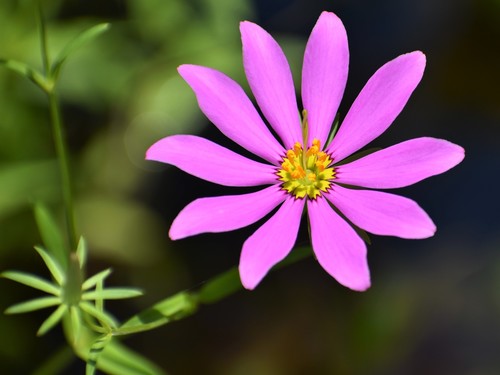
How to identify Sabatia kennedyana Fernald

Sabatia kennedyana Fernald

Sabatia kennedyana Fernald

Sabatia kennedyana is a pink-flowered perennial herb that grows in disturbed Atl…

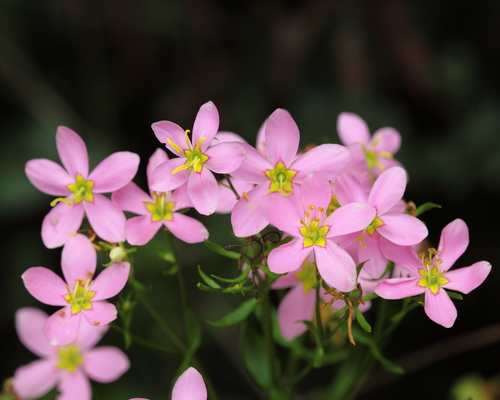
How to identify Centaurium scilloides (L.fil.) Samp.

Centaurium scilloides (L.fil.) Samp.

Centaurium scilloides (L.fil.) Samp.

Centaurium scilloides is a small perennial herb found on Europe’s Atlantic coast…

How to identify Gentiana villosa L.

Gentiana villosa L.

Gentiana villosa L.

Gentiana villosa L., Sampson's snakeroot, is an eastern US gentian with white pu…

How to identify Cyrtophyllum fragrans (Roxb.) DC.

Cyrtophyllum fragrans (Roxb.) DC.

Cyrtophyllum fragrans (Roxb.) DC.

Cyrtophyllum fragrans, also called tembusu or ironwood, is a large fragrant-flow…

How to identify Gentianella amarella (L.) Börner

Gentianella amarella (L.) Börner

Gentianella amarella (L.) Börner

Gentianella amarella (autumn gentian) is a biennial herb with five subspecies th…

How to identify Sabatia angularis (L.) Pursh

Sabatia angularis (L.) Pursh

Sabatia angularis (L.) Pursh

Sabatia angularis is a biennial flowering plant widespread across the United Sta…

How to identify Sabatia dodecandra (L.) Britton, Sterns & Poggenb.

Sabatia dodecandra (L.) Britton, Sterns & Poggenb.

Sabatia dodecandra (L.) Britton, Sterns & Poggenb.

Sabatia dodecandra, commonly called large marsh pink or marsh rose gentian, is a…

Browse all 220 Gentianaceae species →

Frequently Asked Questions

How do you identify Gentianaceae?

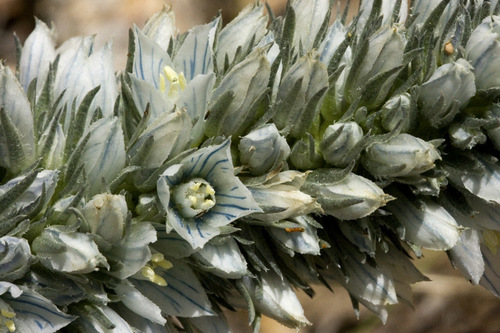
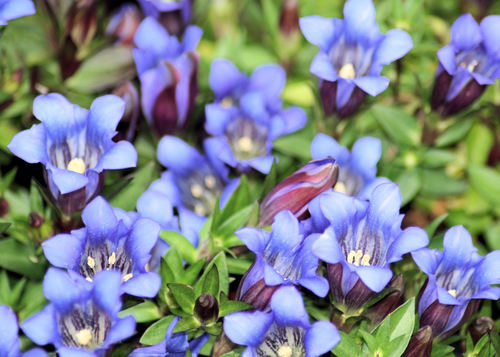
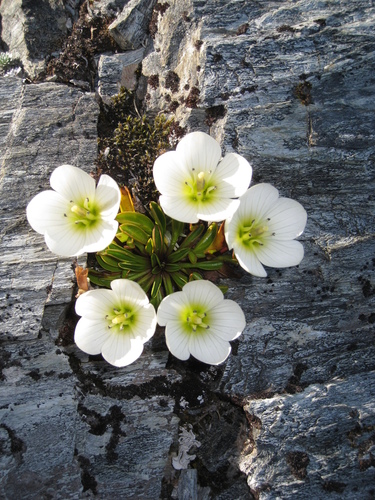
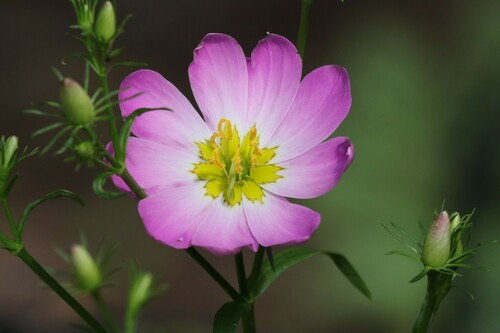
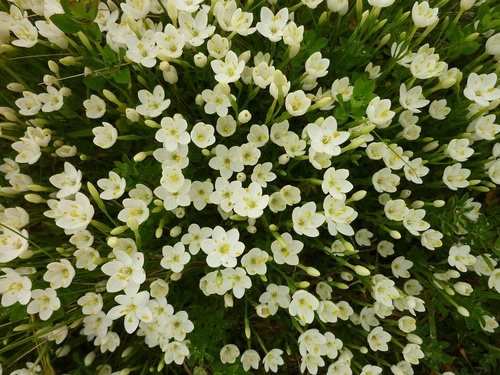
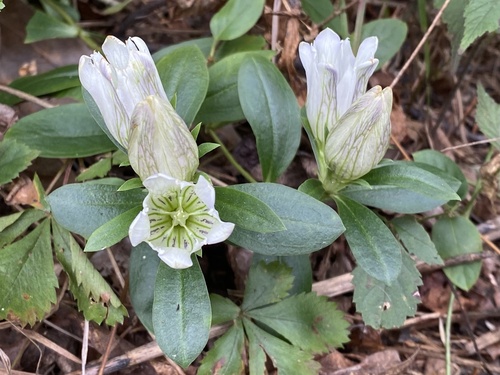
Gentianaceae plants belong to the Gentianales order in the Plantae kingdom. Its flowers grow in clusters at the plant’s terminal bud, are white with purple stripes, and are easy to identify by these distinct purple stripes. For instant identification, use the iNature app — AI-powered and works offline.

What are the key characteristics of Gentianaceae?

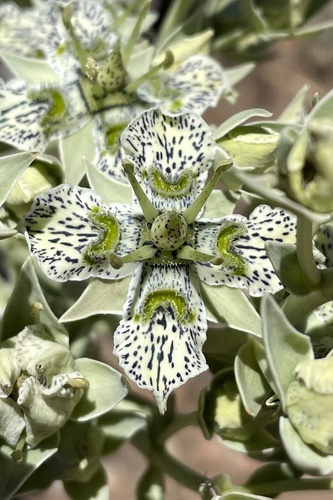
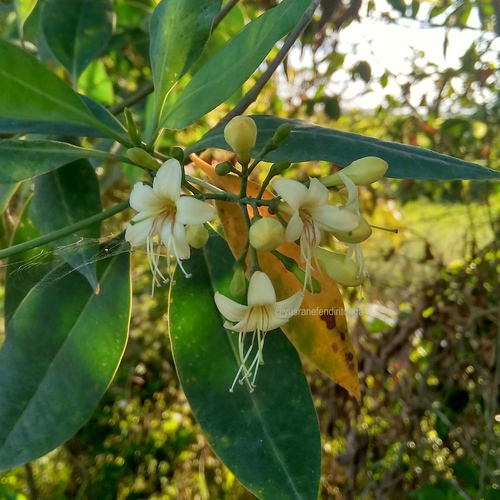
Gentianaceae is classified in the order Gentianales, class Magnoliopsida, phylum Tracheophyta. It bears light green, oval-shaped leaves, and distinctively fragrant yellowish flowers.

⚠️ Are any Gentianaceae species poisonous?

Yes, some Gentianaceae species are toxic or poisonous. Always exercise caution with unknown specimens. View poisonous Gentianaceae species or browse the full poisonous species guide.

Sources: GBIF, iNaturalist, Wikipedia · Disclaimer

Start Exploring Nature Today

Download iNature for free. 10 identifications on us. No account needed. No credit card required.

Download Free on App Store