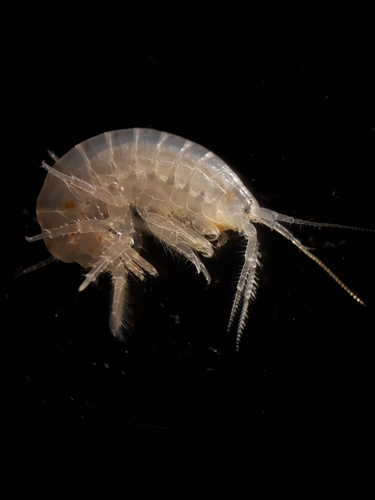
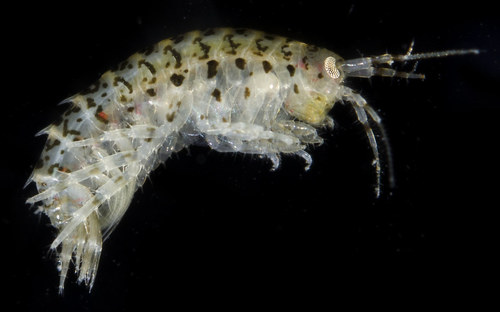
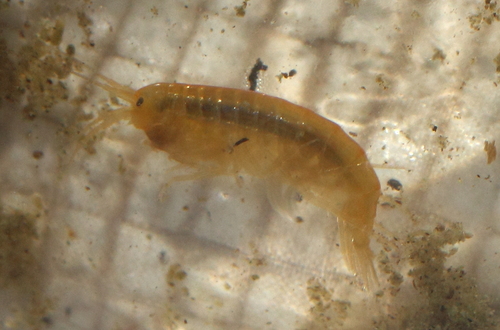
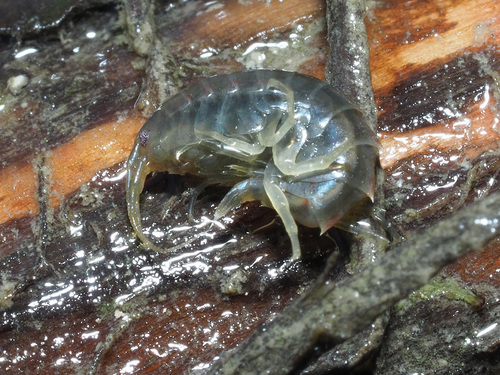
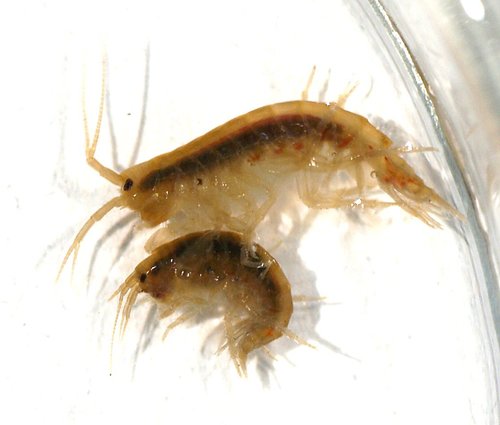
Key Identification Features
- mucronatus fills multiple distinct ecological roles: it contributes to decomposition, and grazes on epiphytes that grow on seagrass.
- Mitochondrial DNA studies first identified three distinct clades within central European populations, labelled types A, B, and C.
- It is an omnivorous species: it is well known for shredding leaf litter detritus that washes into streams from surrounding forests, but also feeds on other macroinvertebrates.
For instant identification in the field, use the iNature app — AI-powered, works offline.