How to Identify Fringillidae

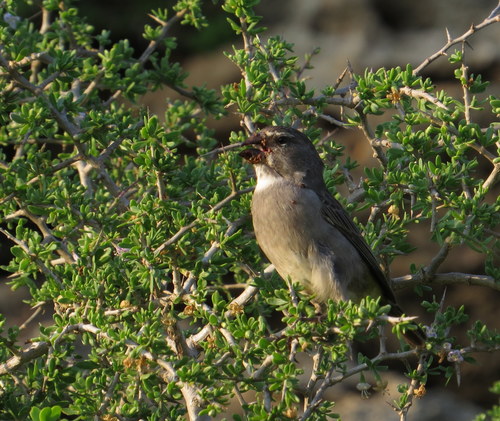
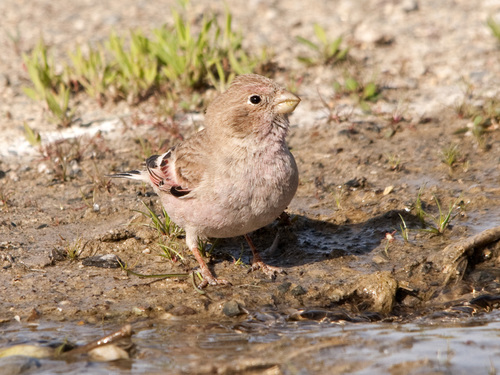
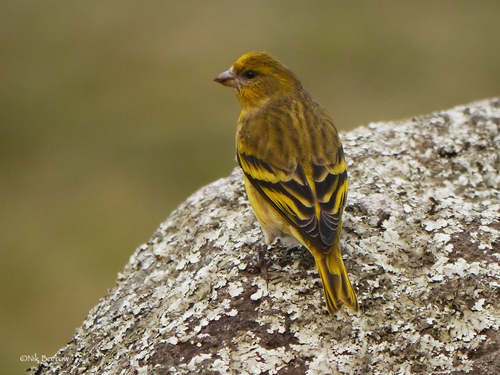
Fringillidae is a animal family in the Animalia kingdom, order Passeriformes, class Aves. The family contains 135 accepted species worldwide.

Key Identification Features

For instant identification in the field, use the iNature app — AI-powered, works offline.
Representative Fringillidae Species

How to identify Spinus xanthogastrus (Du Bus de Gisignies, 1855)

Spinus xanthogastrus (Du Bus de Gisignies, 1855)

Spinus xanthogastrus (Du Bus de Gisignies, 1855)

Spinus xanthogastrus, the yellow-bellied siskin, is a small finch with distinct …

How to identify Loxops mana (S.B.Wilson, 1891)

Loxops mana (S.B.Wilson, 1891)

Loxops mana (S.B.Wilson, 1891)

Loxops mana, the Hawaiʻi creeper, is an endemic Hawaiian honeycreeper found on H…

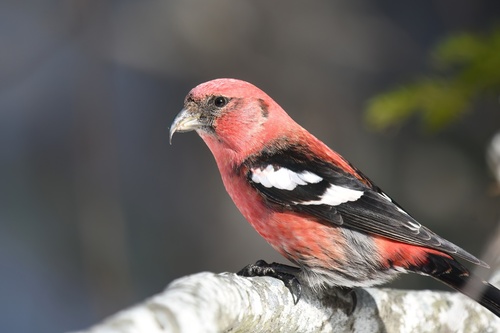
How to identify Loxia leucoptera J.F.Gmelin, 1789

Loxia leucoptera J.F.Gmelin, 1789

Loxia leucoptera J.F.Gmelin, 1789

The two-barred crossbill is a small crossbill species distinguished by prominent…

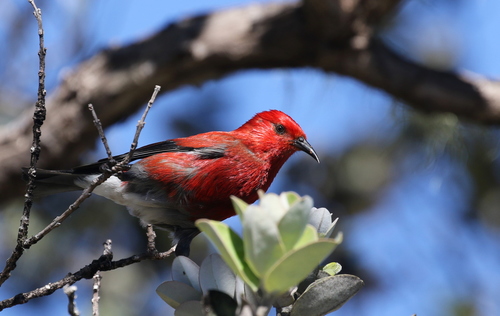
How to identify Himatione sanguinea (J.F.Gmelin, 1788)

Himatione sanguinea (J.F.Gmelin, 1788)

Himatione sanguinea (J.F.Gmelin, 1788)

Himatione sanguinea (ʻapapane) is a small Hawaiian honeycreeper with stable popu…

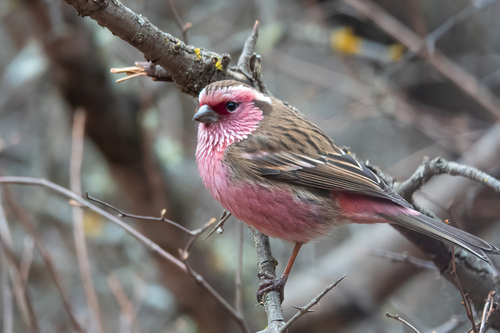
How to identify Carpodacus dubius Przewalski, 1876

Carpodacus dubius Przewalski, 1876

Carpodacus dubius Przewalski, 1876

Carpodacus dubius, the Chinese white-browed rosefinch, is a finch species found …

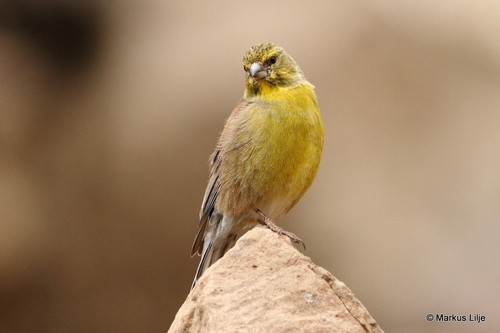
How to identify Crithagra symonsi (Roberts, 1916)

Crithagra symonsi (Roberts, 1916)

Crithagra symonsi (Roberts, 1916)

Crithagra symonsi, the Drakensberg siskin, is a small finch with distinct plumag…

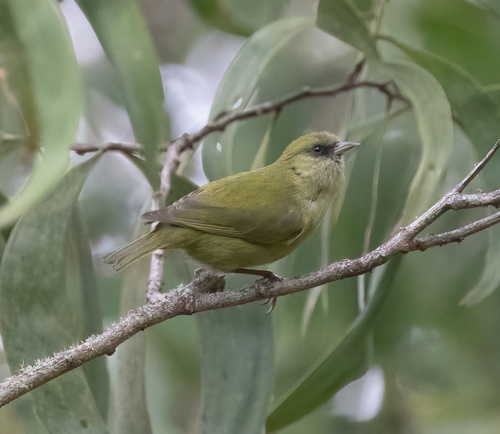
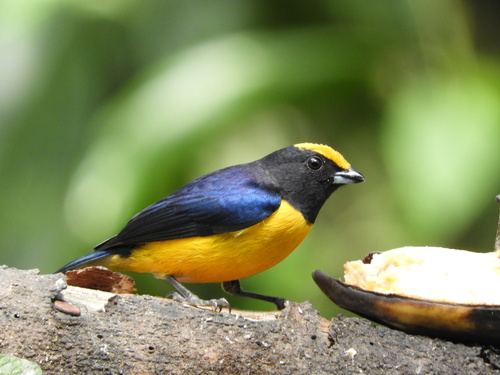
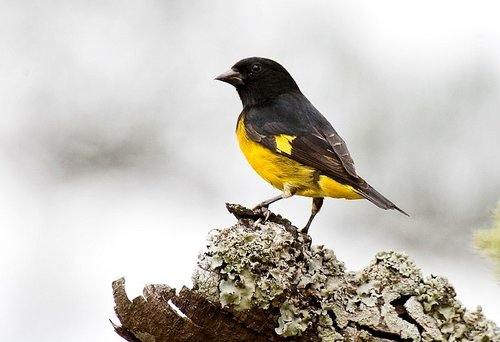
How to identify Euphonia xanthogaster Sundevall, 1834

Euphonia xanthogaster Sundevall, 1834

Euphonia xanthogaster Sundevall, 1834

The orange-bellied euphonia is a finch species found across northern and central…

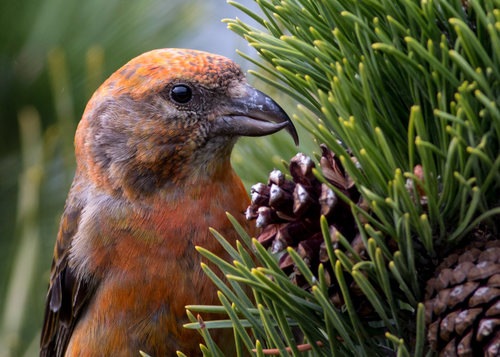
How to identify Loxia curvirostra Linnaeus, 1758

Loxia curvirostra Linnaeus, 1758

Loxia curvirostra Linnaeus, 1758

Loxia curvirostra (red crossbill) is a conifer-seed-eating crossbill identifiabl…

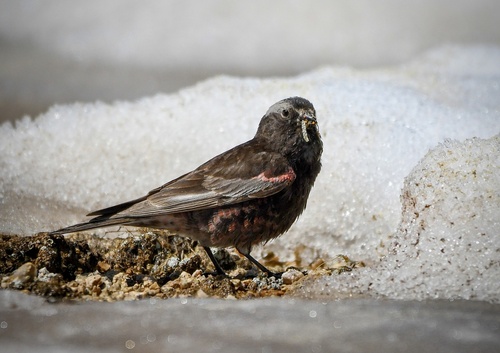
How to identify Leucosticte atrata Ridgway, 1874

Leucosticte atrata Ridgway, 1874

Leucosticte atrata Ridgway, 1874

Leucosticte atrata, the black rosy finch, is a little-studied North American alp…

How to identify Crithagra albogularis A.Smith, 1833

Crithagra albogularis A.Smith, 1833

Crithagra albogularis A.Smith, 1833

Crithagra albogularis, the white-throated canary, is a small 15 cm bird found ac…

How to identify Bucanetes mongolicus (Swinhoe, 1870)

Bucanetes mongolicus (Swinhoe, 1870)

Bucanetes mongolicus (Swinhoe, 1870)

Bucanetes mongolicus, the Mongolian finch, is a small finch native to much of ce…

How to identify Serinus flavivertex (Blanford, 1869)

Serinus flavivertex (Blanford, 1869)

Serinus flavivertex (Blanford, 1869)

Serinus flavivertex, the yellow-crowned canary, is a small common finch native t…

Browse all 135 Fringillidae species →

Frequently Asked Questions

How do you identify Fringillidae?

Fringillidae animals belong to the Passeriformes order in the Animalia kingdom. Adult ʻapapane are primarily bright crimson in color, with distinct white feathers on their undertail coverts and lower abdomen. For instant identification, use the iNature app — AI-powered and works offline.

What are the key characteristics of Fringillidae?

Fringillidae is classified in the order Passeriformes, class Aves, phylum Chordata. Both sexes have a diagnostic white-sided tail, a feature that is especially visible when the bird is in flight.

Sources: GBIF, iNaturalist, Wikipedia · Disclaimer

Start Exploring Nature Today

Download iNature for free. 10 identifications on us. No account needed. No credit card required.

Download Free on App Store