Key Identification Features
- Like most oaks, it has a distinct, appealing scent.
For instant identification in the field, use the iNature app — AI-powered, works offline.
Fagaceae is a plant family in the Plantae kingdom, order Fagales, class Magnoliopsida. The family contains 194 accepted species worldwide. Some species in this family are toxic — exercise caution when handling unknown specimens.
For instant identification in the field, use the iNature app — AI-powered, works offline.
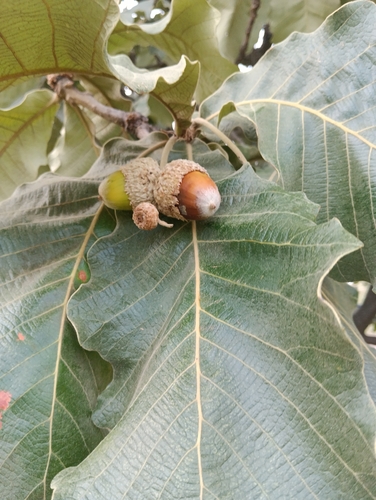
Quercus resinosa Liebm.
Quercus resinosa Liebm. is a large deciduous oak tree with big, thick, broadly e…
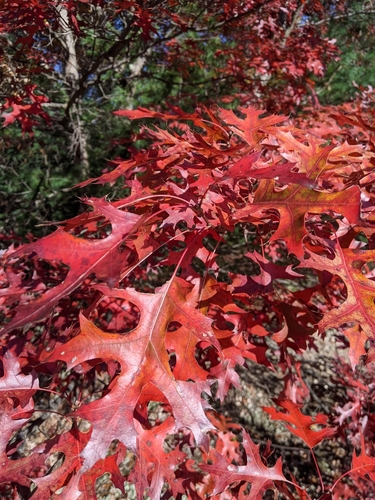
Quercus coccinea Münchh.
Quercus coccinea (scarlet oak) is a North American deciduous oak grown ornamenta…
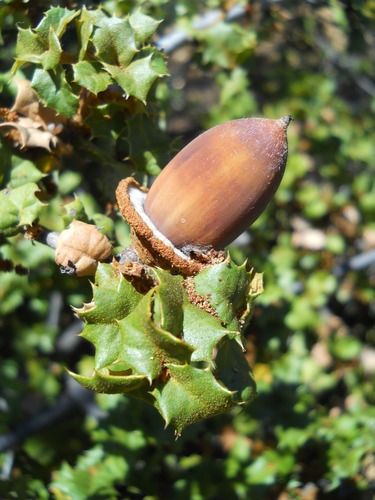
Quercus palmeri (Engelm.) Engelm.
Quercus palmeri is a North American oak that includes the 13,000-year-old Jurupa…
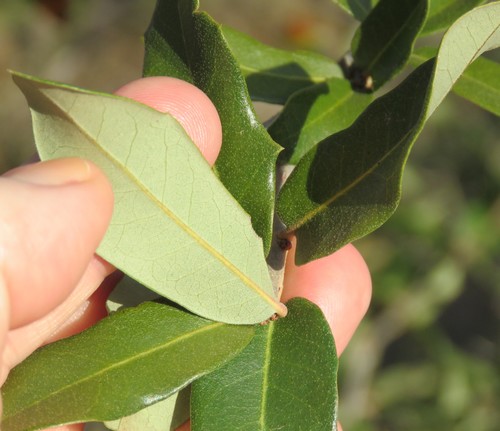
Quercus fusiformis Small
Quercus fusiformis, the escarpment live oak, is a hardy evergreen oak native to …
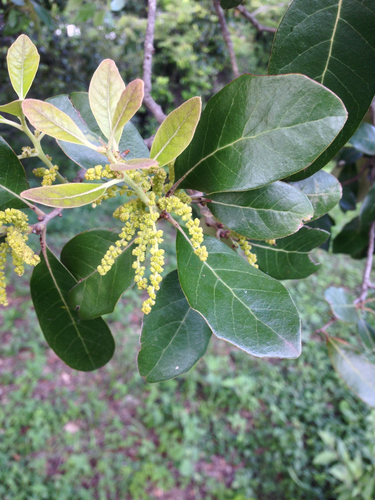
Quercus oleoides Schltdl. & Cham.
Quercus oleoides is a slow-growing evergreen Mesoamerican oak of the southern li…
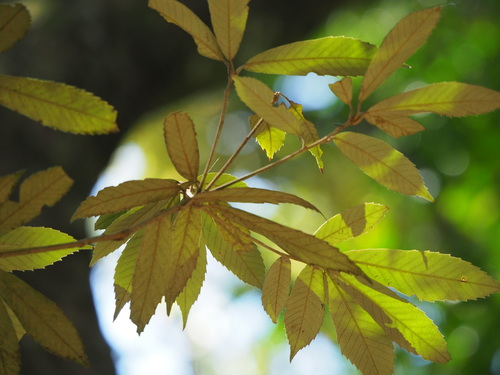
Quercus gilva Blume
Quercus gilva (red-bark oak) is an East Asian tree species in the beech family t…
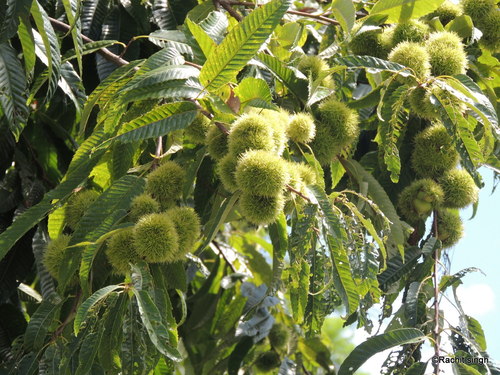
Castanopsis indica (Roxb. ex Lindl.) A.DC.
Castanopsis indica is a nearly evergreen tree native from Nepal and Bhutan to Ta…
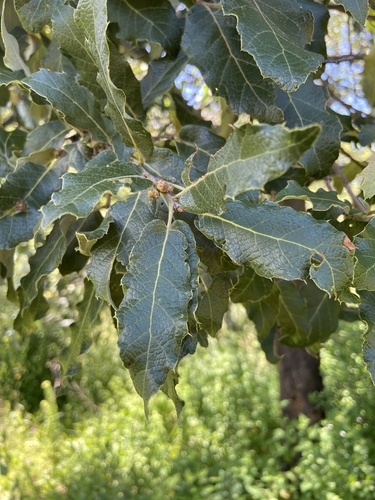
Quercus eduardi Trel.
Quercus eduardi is an oak species from central Mexico placed in the Quercus sect…
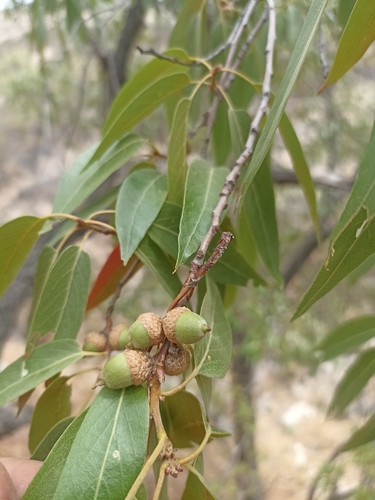
Quercus viminea Trel.
Quercus viminea is a North American oak native to western Mexico and southern Ar…
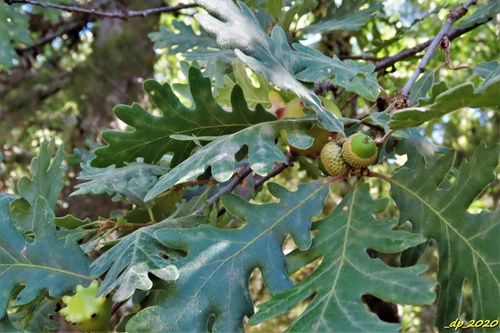
Quercus pyrenaica Willd.
Quercus pyrenaica Willd. is a marcescent deciduous oak native to southwest Europ…
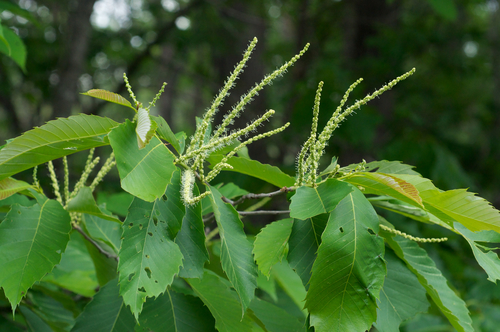
Castanea ozarkensis Ashe
Castanea ozarkensis (Ozark chinkapin) is a North American native chestnut tree t…
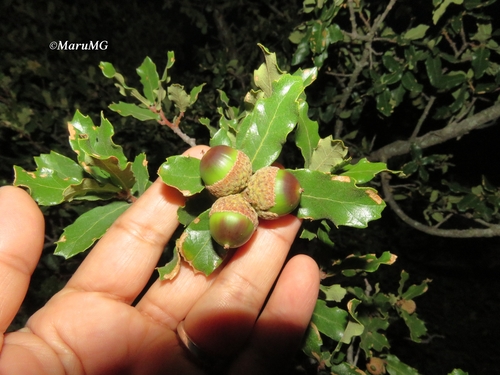
Quercus laeta Liebm.
Quercus laeta Liebm. is a small tree with thick leathery dark green leaves, grow…
Fagaceae plants belong to the Fagales order in the Plantae kingdom. Like most oaks, it has a distinct, appealing scent. For instant identification, use the iNature app — AI-powered and works offline.
Fagaceae is classified in the order Fagales, class Magnoliopsida, phylum Tracheophyta. The family contains 194 accepted species worldwide.
Yes, some Fagaceae species are toxic or poisonous. Always exercise caution with unknown specimens. View poisonous Fagaceae species or browse the full poisonous species guide.
Sources: GBIF, iNaturalist, Wikipedia · Disclaimer
Download iNature for free. 10 identifications on us. No account needed. No credit card required.
Download Free on App Store
