How to Identify Fabaceae — Legume Family
Fabaceae (Legume Family) is a plant family in the Plantae kingdom, order Fabales, class Magnoliopsida. The family contains 2,445 accepted species worldwide. Some species in this family are toxic — exercise caution when handling unknown specimens.
Representative Fabaceae Species
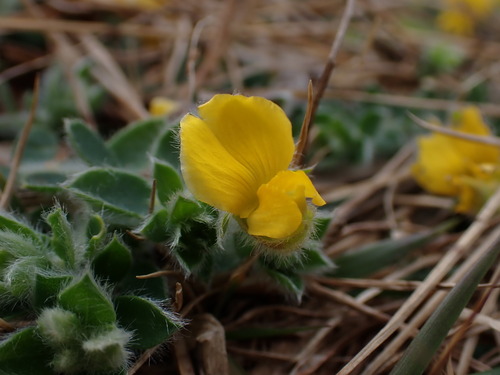
Crotalaria similis Hemsl.
Crotalaria similis Hemsl.
Crotalaria similis is a small rare endemic herb with a very narrow distribution …
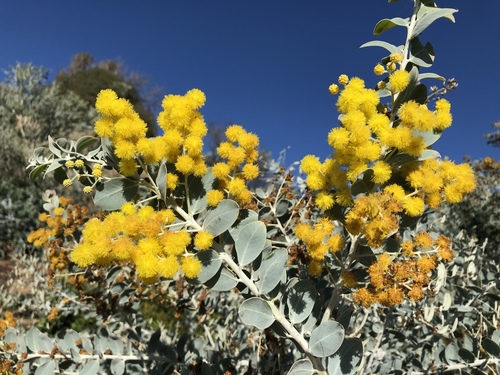
Acacia podalyriifolia A.Cunn. ex G.Don
Acacia podalyriifolia A.Cunn. ex G.Don
Acacia podalyriifolia is a tall Australian shrub or small tree now naturalised a…
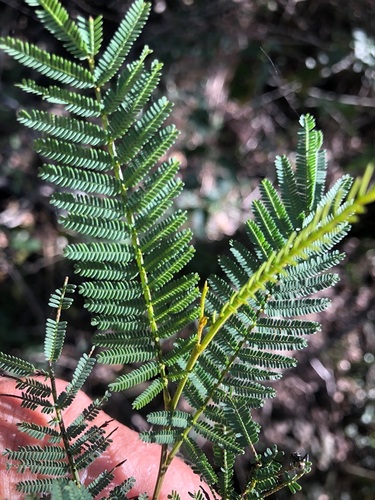
Acacia loroloba Tindale
Acacia loroloba Tindale
Acacia loroloba Tindale is a tree species endemic to south eastern Queensland, g…
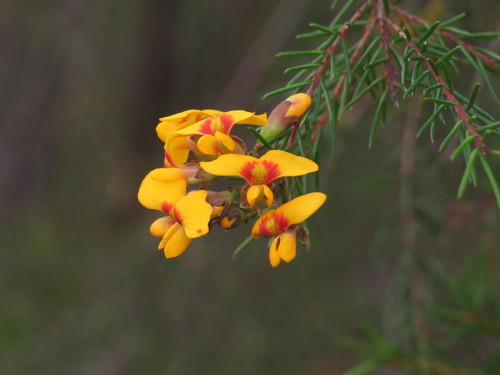
Dillwynia retorta (J.C.Wendl.) Druce
Dillwynia retorta (J.C.Wendl.) Druce
Dillwynia retorta is an upright Australian shrub that acts as a host for the jew…
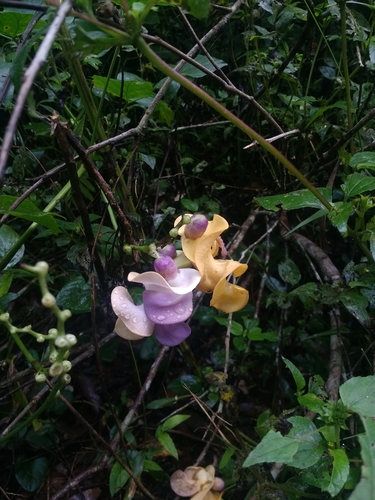
Cochliasanthus caracalla (L.) Trew
Cochliasanthus caracalla (L.) Trew
Cochliasanthus caracalla is a vining plant with distinctively shell-shaped fragr…

Medicago littoralis Rohde ex Loisel.
Medicago littoralis Rohde ex Loisel.
Medicago littoralis is an introduced herb naturalized in some regions, with a br…
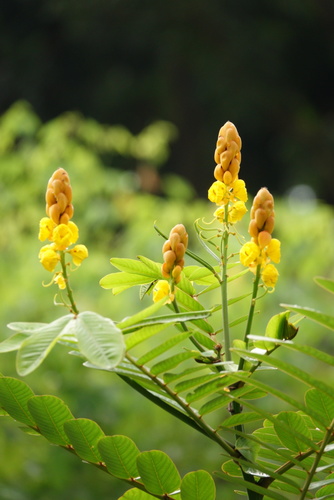
Senna alata (L.) Roxb.
Senna alata (L.) Roxb.
Senna alata is a shrub valued ornamentally and for its antifungal and laxative m…
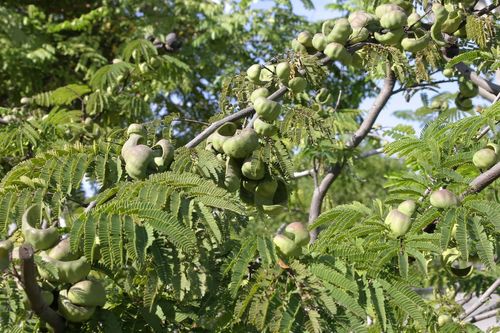
Libidibia coriaria (Jacq.) Schltdl.
Libidibia coriaria (Jacq.) Schltdl.
Libidibia coriaria is a small tree with bipinnate leaves and twisted pods, grown…
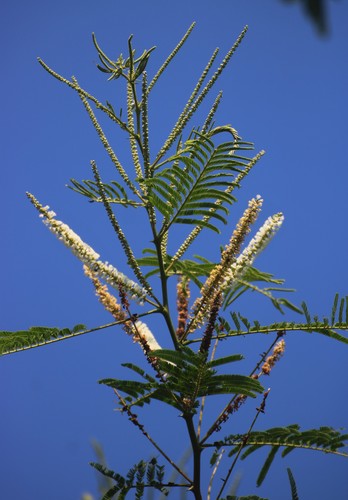
Senegalia polyacantha (Willd.) Seigler & Ebinger
Senegalia polyacantha (Willd.) Seigler & Ebinger
Senegalia polyacantha, the many-thorned white thorn, is a tall flowering tree wi…
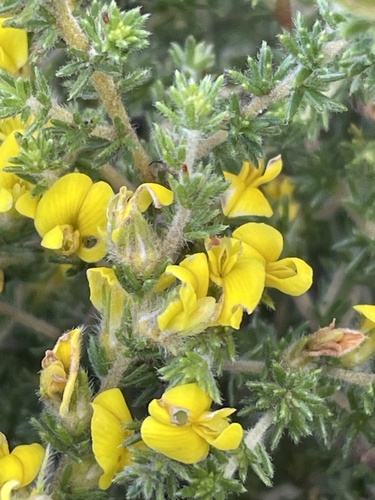
Aspalathus ericifolia L.
Aspalathus ericifolia L.
For Aspalathus ericifolia L., the specific epithet was 'ericefolia' in the proto…
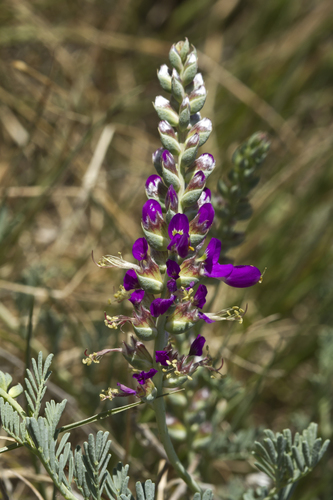
Dalea lasiathera A.Gray
Dalea lasiathera A.Gray
Dalea lasiathera, purple prairie clover, is a Southwestern US plant with traditi…
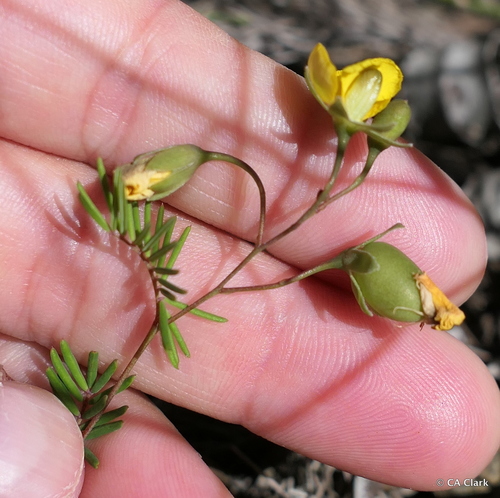
Gompholobium pinnatum Sm.
Gompholobium pinnatum Sm.
Gompholobium pinnatum is a small sprawling shrub found in eastern Australian coa…
Frequently Asked Questions
How do you identify Fabaceae?
Fabaceae plants belong to the Fabales order in the Plantae kingdom. Browse the 2445 species gallery above for visual identification references. For instant identification, use the iNature app — AI-powered and works offline.
What are the key characteristics of Fabaceae?
Fabaceae is classified in the order Fabales, class Magnoliopsida, phylum Tracheophyta. The family contains 2,445 accepted species worldwide.
⚠️ Are any Fabaceae species poisonous?
Yes, some Fabaceae species are toxic or poisonous. Always exercise caution with unknown specimens. View poisonous Fabaceae species or browse the full poisonous species guide.
Sources: GBIF, iNaturalist, Wikipedia · Disclaimer
Start Exploring Nature Today
Download iNature for free. 10 identifications on us. No account needed. No credit card required.
Download Free on App Store
