Key Identification Features
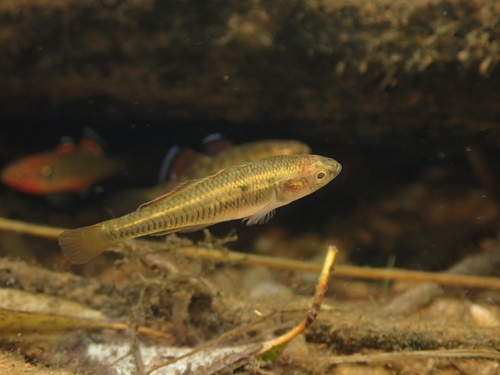
- There are five distinct genetic and geographical groupings of the species.
- The largest and most distinctive grouping covers most of the South Island's east coast, while the other four are closely related and occur in northern South Island and in the North Island.
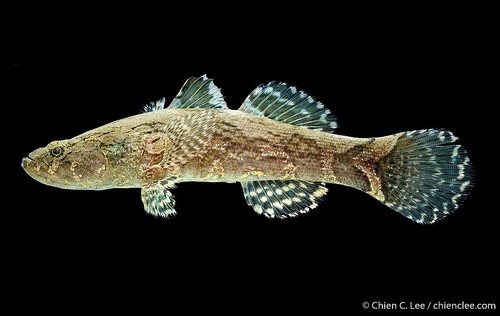
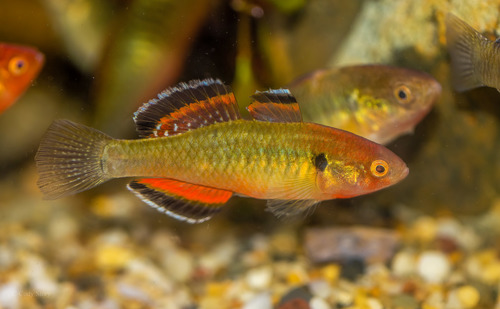
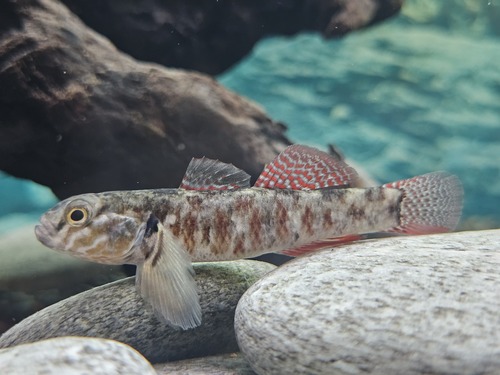
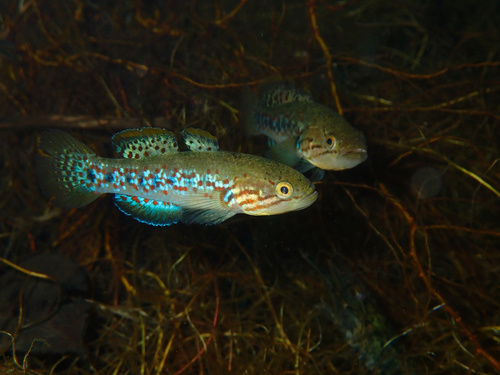
- Outside of the breeding season, males can be distinguished by prominent, variably colored bands on their anal and dorsal fins.
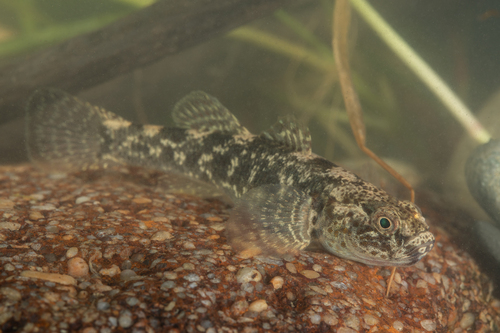
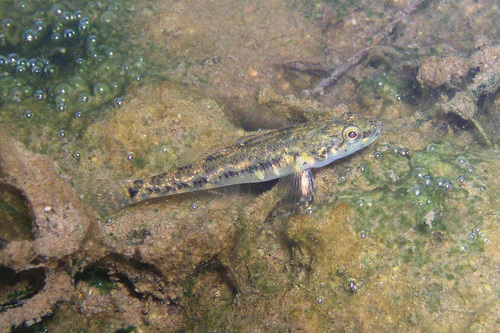
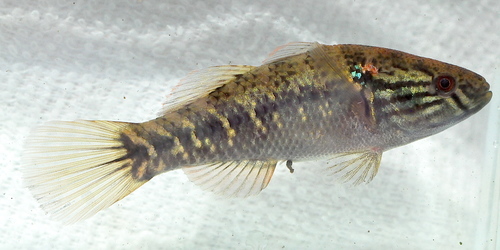
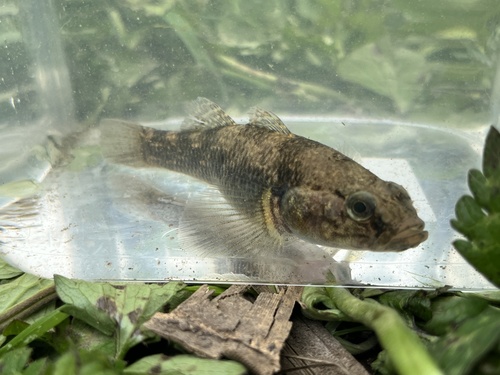
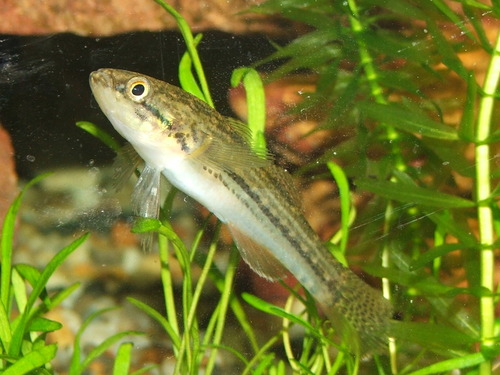
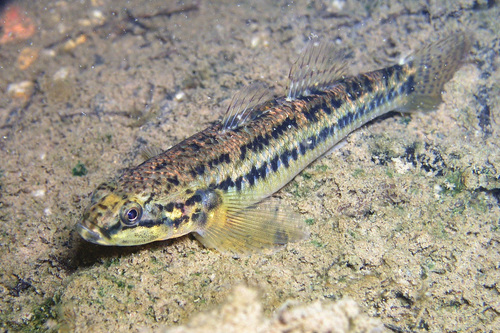
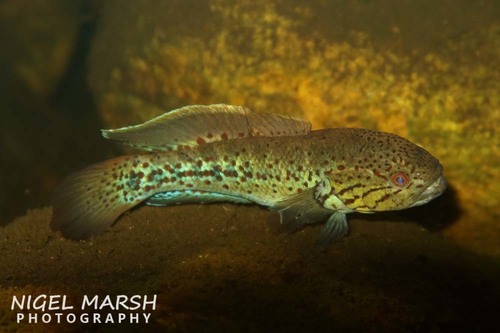
- The head is dark brown, with the lower jaw and throat often colored black, and two indistinct dark stripes that radiate from the rear of the eye orbit across the operculum.
For instant identification in the field, use the iNature app — AI-powered, works offline.