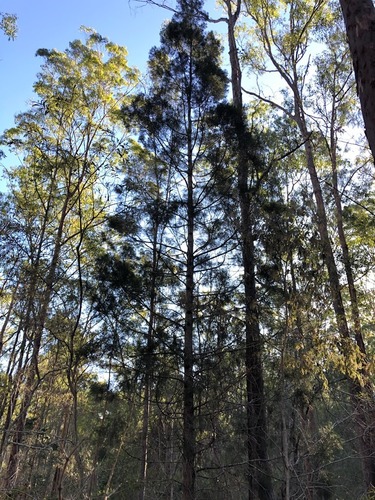
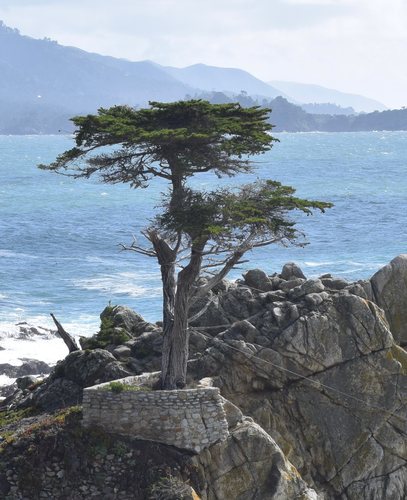
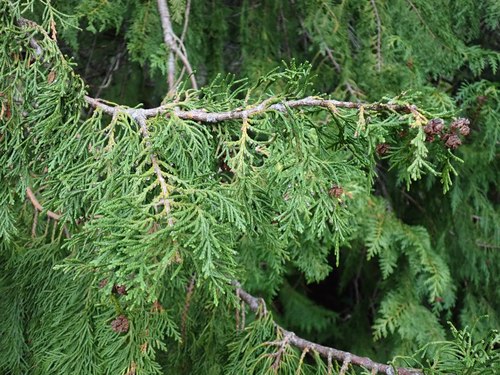
How to Identify Cupressaceae

Cupressaceae is a plant family in the Plantae kingdom, order Pinales, class Pinopsida. The family contains 93 accepted species worldwide. Some species in this family are toxic — exercise caution when handling unknown specimens.

Key Identification Features

For instant identification in the field, use the iNature app — AI-powered, works offline.
Representative Cupressaceae Species

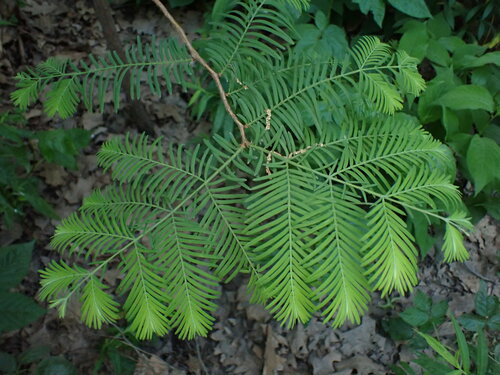
How to identify Metasequoia glyptostroboides H.H.Hu & W.C.Cheng

Metasequoia glyptostroboides H.H.Hu & W.C.Cheng

Metasequoia glyptostroboides H.H.Hu & W.C.Cheng

Metasequoia glyptostroboides, the dawn redwood, is a fast-growing deciduous coni…

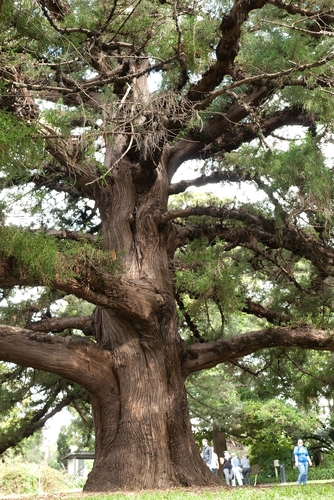
How to identify Juniperus bermudiana L.

Juniperus bermudiana L.

Juniperus bermudiana L.

Juniperus bermudiana (Bermuda cedar) is an evergreen tree endemic to Bermuda wit…

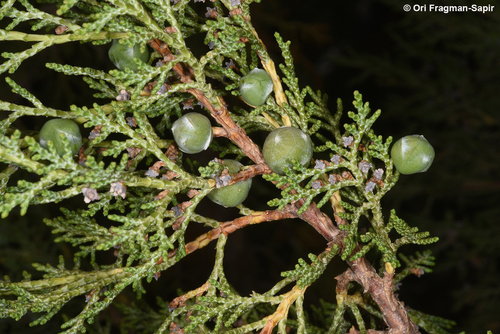
How to identify Juniperus excelsa M.-Bieb.

Juniperus excelsa M.-Bieb.

Juniperus excelsa M.-Bieb.

Juniperus excelsa M.-Bieb. is a mostly dioecious juniper that grows as a large s…

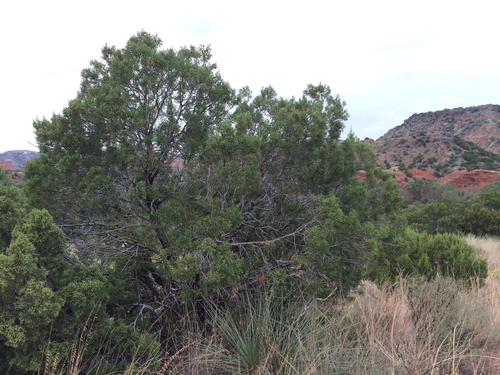
How to identify Juniperus pinchotii Sudw.

Juniperus pinchotii Sudw.

Juniperus pinchotii Sudw.

Juniperus pinchotii is an evergreen coniferous shrub or small tree with berry-li…

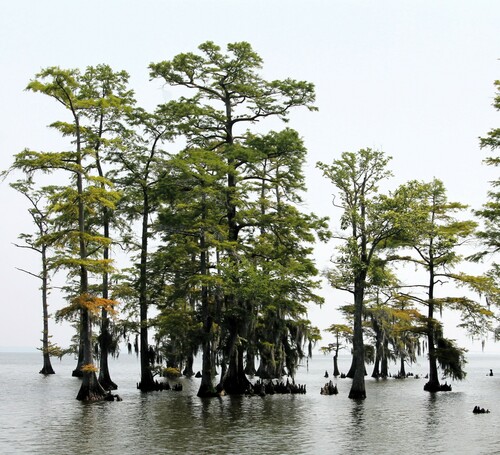
How to identify Taxodium distichum var. imbricarium (Nutt.) Sarg.

Taxodium distichum var. imbricarium (Nutt.) Sarg.

Taxodium distichum var. imbricarium (Nutt.) Sarg.

Taxodium distichum, the bald cypress, is a large long-lived deciduous conifer na…

How to identify Cunninghamia lanceolata (Lamb.) Hook.

Cunninghamia lanceolata (Lamb.) Hook.

Cunninghamia lanceolata (Lamb.) Hook.

Cunninghamia lanceolata (Chinese fir) is a tall conifer native to China, widely …

How to identify Chamaecyparis pisifera (Siebold & Zucc.) Endl.

Chamaecyparis pisifera (Siebold & Zucc.) Endl.

Chamaecyparis pisifera (Siebold & Zucc.) Endl.

Chamaecyparis pisifera is a slow-growing coniferous tree with distinct leaf form…

How to identify Widdringtonia schwarzii (Marloth) Mast.

Widdringtonia schwarzii (Marloth) Mast.

Widdringtonia schwarzii (Marloth) Mast.

Widdringtonia schwarzii is a protected threatened evergreen flowering tree in th…

How to identify Juniperus osteosperma (Torr.) Little

Juniperus osteosperma (Torr.) Little

Juniperus osteosperma (Torr.) Little

Juniperus osteosperma (Utah juniper) is a juniper native to the southwestern US …

How to identify Callitris baileyi C.T.White

Callitris baileyi C.T.White

Callitris baileyi C.T.White

Callitris baileyi is a small Australian conifer tree classified as near threaten…

How to identify Cupressus macrocarpa Hartw. ex Gordon

Cupressus macrocarpa Hartw. ex Gordon

Cupressus macrocarpa Hartw. ex Gordon

This is an overview of Hesperocyparis macrocarpa, Monterey cypress, covering its…

⚠️ Poisonous
How to identify Chamaecyparis lawsoniana (A.Murray bis) Parl.

Chamaecyparis lawsoniana (A.Murray bis) Parl.

Chamaecyparis lawsoniana (A.Murray bis) Parl.

Chamaecyparis lawsoniana is a large North American evergreen tree, cultivated wi…

Browse all 93 Cupressaceae species →

Frequently Asked Questions

How do you identify Cupressaceae?

Cupressaceae plants belong to the Pinales order in the Plantae kingdom. The trunk forms a distinctive notch called an "armpit" under each branch. For instant identification, use the iNature app — AI-powered and works offline.

What are the key characteristics of Cupressaceae?

Cupressaceae is classified in the order Pinales, class Pinopsida, phylum Tracheophyta. Bermuda cedar is known for its heavy, sweet aroma, attractive and useful reddish timber, major role in Bermuda's history, and prominent presence in Bermuda's historic homes.

⚠️ Are any Cupressaceae species poisonous?

Yes, some Cupressaceae species are toxic or poisonous. Always exercise caution with unknown specimens. View poisonous Cupressaceae species or browse the full poisonous species guide.

Sources: GBIF, iNaturalist, Wikipedia · Disclaimer

Start Exploring Nature Today

Download iNature for free. 10 identifications on us. No account needed. No credit card required.

Download Free on App Store