How to Identify Cunoniaceae

Cunoniaceae is a plant family in the Plantae kingdom, order Oxalidales, class Magnoliopsida. The family contains 27 accepted species worldwide.

Key Identification Features

For instant identification in the field, use the iNature app — AI-powered, works offline.
Representative Cunoniaceae Species

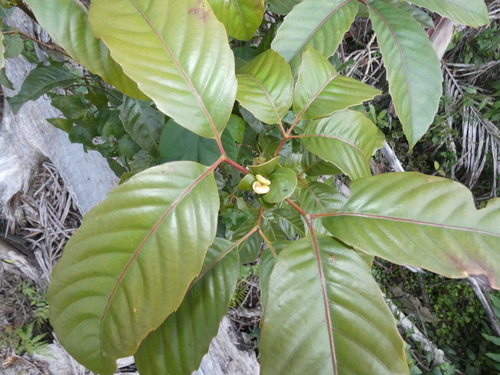
How to identify Pterophylla racemosa (L.fil.) Pillon & H.C.Hopkins

Pterophylla racemosa (L.fil.) Pillon & H.C.Hopkins

Pterophylla racemosa (L.fil.) Pillon & H.C.Hopkins

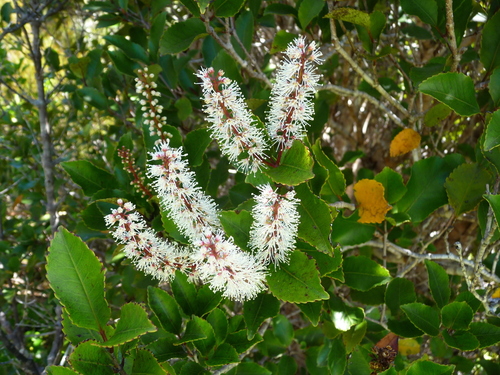
Pterophylla racemosa (kāmahi) is a common evergreen tree native to New Zealand, …

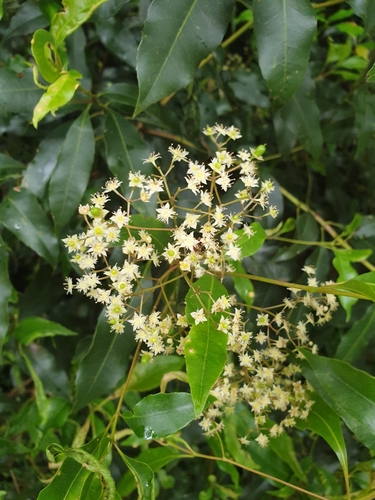
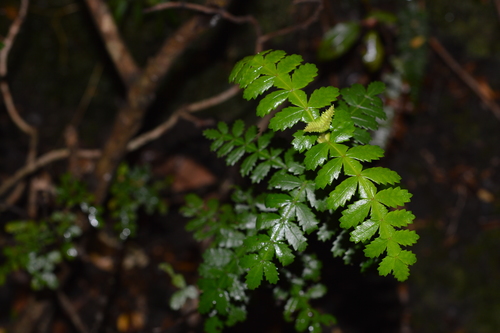
How to identify Schizomeria ovata D.Don

Schizomeria ovata D.Don

Schizomeria ovata D.Don

Schizomeria ovata is an Australian commercial timber rainforest tree used in the…

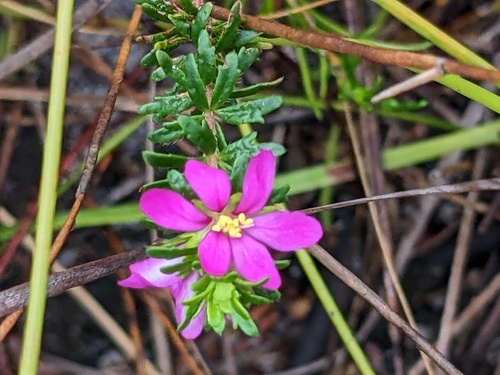
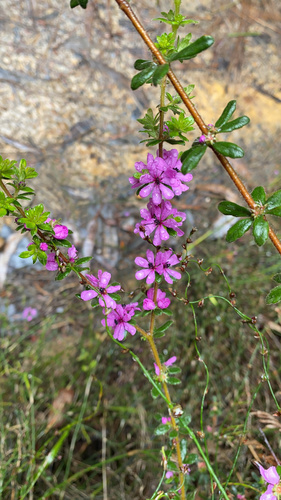
How to identify Bauera capitata Ser.

Bauera capitata Ser.

Bauera capitata Ser.

Bauera capitata Ser. is a small flowering shrub found in near-coastal eastern Au…

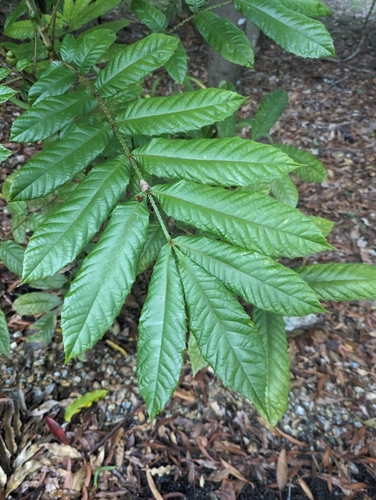
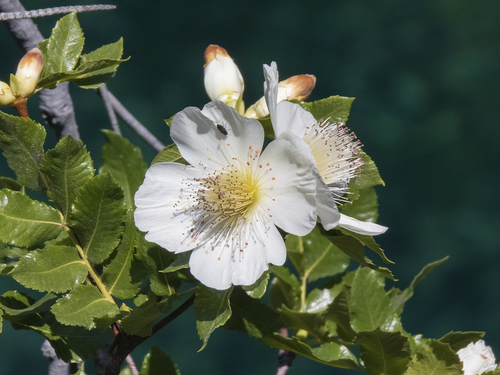
How to identify Davidsonia jerseyana (F.Muell. ex F.M.Bailey) G.J.Harden & J.B.Williams

Davidsonia jerseyana (F.Muell. ex F.M.Bailey) G.J.Harden & J.B.Williams

Davidsonia jerseyana (F.Muell. ex F.M.Bailey) G.J.Harden & J.B.Williams

Davidsonia jerseyana (Davidson's plum) is an endangered Australian rainforest tr…

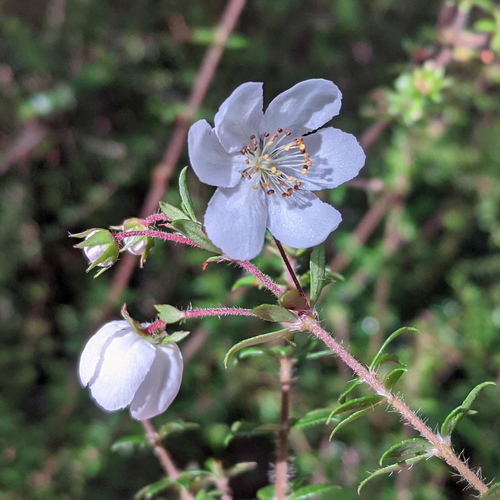
How to identify Bauera rubioides Banks ex Andrews

Bauera rubioides Banks ex Andrews

Bauera rubioides Banks ex Andrews

Bauera rubioides is a small scrambling shrub found in wet southeastern Australia…

How to identify Karrabina benthamiana (F.Muell.) Rozefelds & H.C.Hopkins

Karrabina benthamiana (F.Muell.) Rozefelds & H.C.Hopkins

Karrabina benthamiana (F.Muell.) Rozefelds & H.C.Hopkins

Karrabina benthamiana, the Red Carabeen, is a large Australian rainforest tree w…

How to identify Weinmannia trichosperma Cav.

Weinmannia trichosperma Cav.

Weinmannia trichosperma Cav.

Weinmannia trichosperma Cav. is a tall South American tree grown ornamentally an…

How to identify Bauera sessiliflora F.Muell.

Bauera sessiliflora F.Muell.

Bauera sessiliflora F.Muell.

Bauera sessiliflora F.Muell. is an endemic scrambling shrub from the Grampians t…

How to identify Eucryphia glutinosa (Poepp. & Endl.) Baill.

Eucryphia glutinosa (Poepp. & Endl.) Baill.

Eucryphia glutinosa (Poepp. & Endl.) Baill.

Eucryphia glutinosa is a Chilean flowering plant popular in cultivation for its …

How to identify Eucryphia moorei F.Muell.

Eucryphia moorei F.Muell.

Eucryphia moorei F.Muell.

Eucryphia moorei F.Muell. is a tree up to 30 m tall with distinctive pinnate lea…

How to identify Anodopetalum biglandulosum (A.Cunn. ex Hook.) Hook.fil.

Anodopetalum biglandulosum (A.Cunn. ex Hook.) Hook.fil.

Anodopetalum biglandulosum (A.Cunn. ex Hook.) Hook.fil.

Anodopetalum biglandulosum is a Tasmanian endemic plant common to cool temperate…

How to identify Ackama paniculosa (F.Muell.) Heslewood

Ackama paniculosa (F.Muell.) Heslewood

Ackama paniculosa (F.Muell.) Heslewood

Ackama paniculosa is a medium to large buttressed tree with creamy white flowers…

Browse all 27 Cunoniaceae species →

Frequently Asked Questions

How do you identify Cunoniaceae?

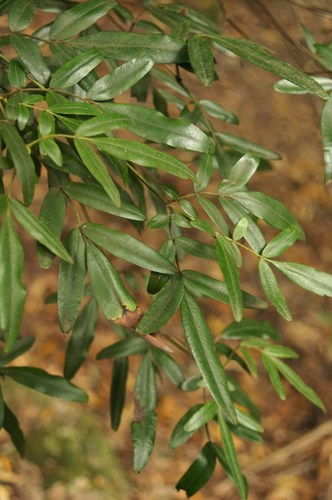
Cunoniaceae plants belong to the Oxalidales order in the Plantae kingdom. The leaflets are distinctly toothed, 5 to 15 cm long, smooth and green on both surfaces, and darker on the upper surface. For instant identification, use the iNature app — AI-powered and works offline.

What are the key characteristics of Cunoniaceae?

Cunoniaceae is classified in the order Oxalidales, class Magnoliopsida, phylum Tracheophyta. Its hard wood, which has a distinct contrasting grain pattern of dark and light coloration, is highly valued for decorative woodworking.

Sources: GBIF, iNaturalist, Wikipedia · Disclaimer

Start Exploring Nature Today

Download iNature for free. 10 identifications on us. No account needed. No credit card required.

Download Free on App Store