How to Identify Cuculidae

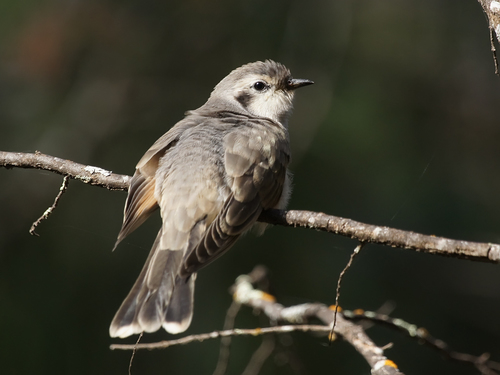
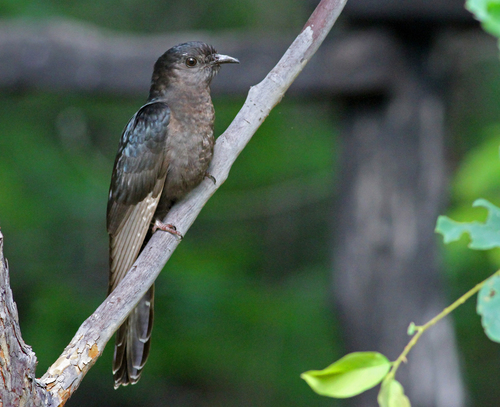
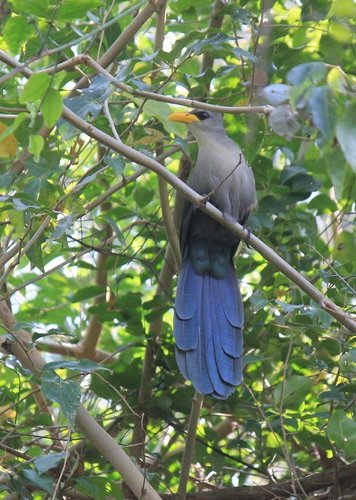
Cuculidae is a animal family in the Animalia kingdom, order Cuculiformes, class Aves. The family contains 86 accepted species worldwide.

Key Identification Features

For instant identification in the field, use the iNature app — AI-powered, works offline.
Representative Cuculidae Species

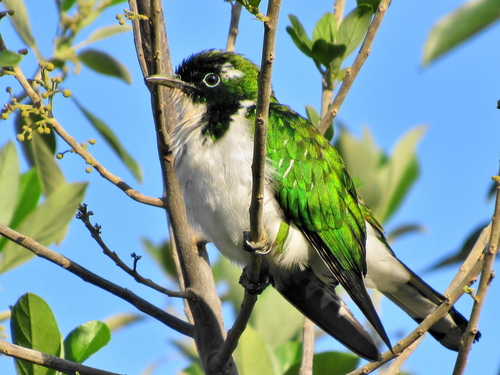
How to identify Chrysococcyx klaas (Stephens, 1815)

Chrysococcyx klaas (Stephens, 1815)

Chrysococcyx klaas (Stephens, 1815)

Klaas's cuckoo (Chrysococcyx klaas) is a small, sexually dimorphic cuckoo found …

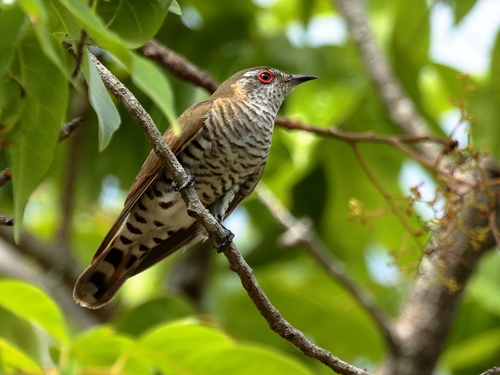
How to identify Chrysococcyx minutillus Gould, 1859

Chrysococcyx minutillus Gould, 1859

Chrysococcyx minutillus Gould, 1859

Chrysococcyx minutillus, the little bronze cuckoo, is the world’s smallest cucko…

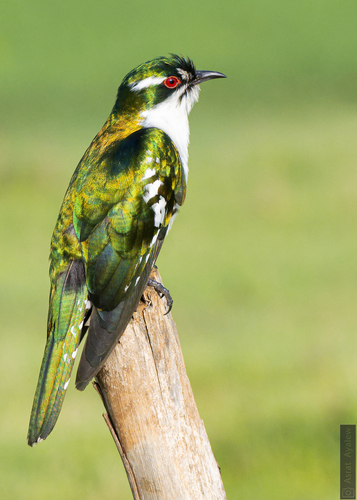
How to identify Chrysococcyx caprius (Boddaert, 1783)

Chrysococcyx caprius (Boddaert, 1783)

Chrysococcyx caprius (Boddaert, 1783)

The diederik cuckoo (Chrysococcyx caprius) is a small migratory cuckoo native to…

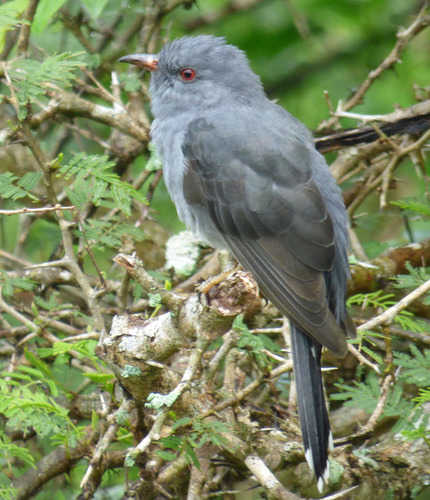
How to identify Cacomantis passerinus (Vahl, 1797)

Cacomantis passerinus (Vahl, 1797)

Cacomantis passerinus (Vahl, 1797)

Cacomantis passerinus, the grey-bellied cuckoo, is a small brood-parasitic cucko…

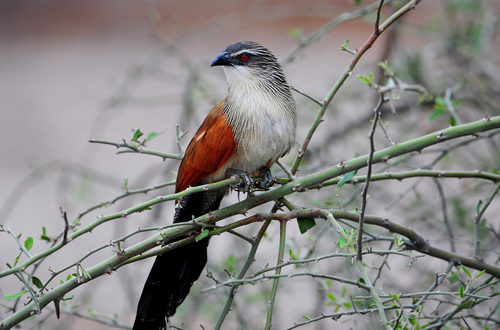
How to identify Centropus superciliosus Hemprich & Ehrenberg, 1829

Centropus superciliosus Hemprich & Ehrenberg, 1829

Centropus superciliosus Hemprich & Ehrenberg, 1829

The white-browed coucal is a medium-sized coucal native to parts of Africa and s…

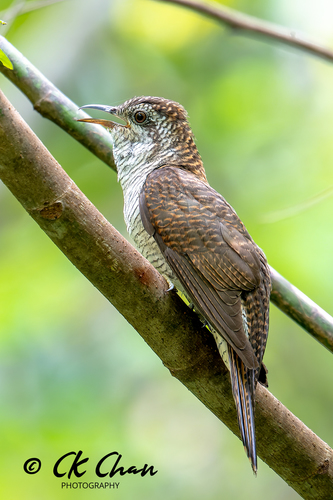
How to identify Cacomantis sonneratii (Latham, 1790)

Cacomantis sonneratii (Latham, 1790)

Cacomantis sonneratii (Latham, 1790)

Cacomantis sonneratii is a 22 cm brood-parasitic cuckoo that feeds primarily on …

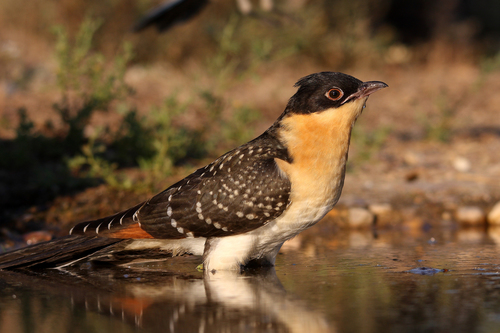
How to identify Clamator glandarius (Linnaeus, 1758)

Clamator glandarius (Linnaeus, 1758)

Clamator glandarius (Linnaeus, 1758)

Clamator glandarius, the great spotted cuckoo, is a brood parasitic bird with di…

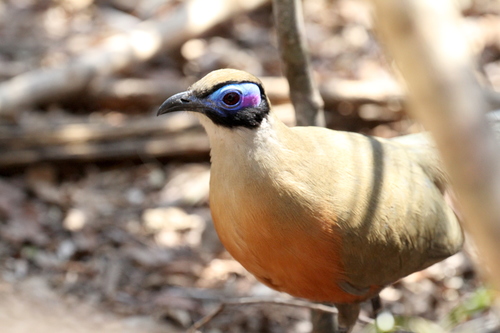
How to identify Coua gigas (Boddaert, 1783)

Coua gigas (Boddaert, 1783)

Coua gigas (Boddaert, 1783)

Coua gigas, the giant coua, is a cuckoo species native to western and southern M…

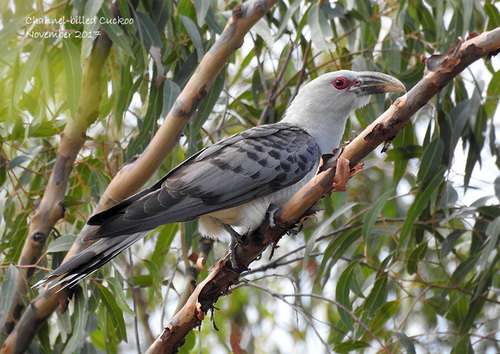
How to identify Scythrops novaehollandiae Latham, 1790

Scythrops novaehollandiae Latham, 1790

Scythrops novaehollandiae Latham, 1790

Scythrops novaehollandiae, the channel-billed cuckoo, is the world's largest cuc…

How to identify Chrysococcyx osculans (Gould, 1847)

Chrysococcyx osculans (Gould, 1847)

Chrysococcyx osculans (Gould, 1847)

Chrysococcyx osculans is a small non-metallic backed cuckoo found across most of…

How to identify Cuculus clamosus Latham, 1802

Cuculus clamosus Latham, 1802

Cuculus clamosus Latham, 1802

Cuculus clamosus, the black cuckoo, is a medium-sized brood parasitic cuckoo fou…

How to identify Ceuthmochares australis Sharpe, 1873

Ceuthmochares australis Sharpe, 1873

Ceuthmochares australis Sharpe, 1873

The green malkoha is a non-brood-parasitic cuckoo species found along Eastern Af…

Browse all 86 Cuculidae species →

Frequently Asked Questions

How do you identify Cuculidae?

Cuculidae animals belong to the Cuculiformes order in the Animalia kingdom. Adult individuals have blackish crown and nape, a distinct white supercilium, rufous-brown back, chestnut wings, blackish rump, and a black tail with green iridescence and a white tip. For instant identification, use the iNature app — AI-powered and works offline.

What are the key characteristics of Cuculidae?

Cuculidae is classified in the order Cuculiformes, class Aves, phylum Chordata. Their bill is long and slightly curved; a distinctive whitish supercilium sits above a dark eye-line.

Sources: GBIF, iNaturalist, Wikipedia · Disclaimer

Start Exploring Nature Today

Download iNature for free. 10 identifications on us. No account needed. No credit card required.

Download Free on App Store