How to Identify Cotingidae

Cotingidae is a animal family in the Animalia kingdom, order Passeriformes, class Aves. The family contains 52 accepted species worldwide.

Key Identification Features

For instant identification in the field, use the iNature app — AI-powered, works offline.
Representative Cotingidae Species

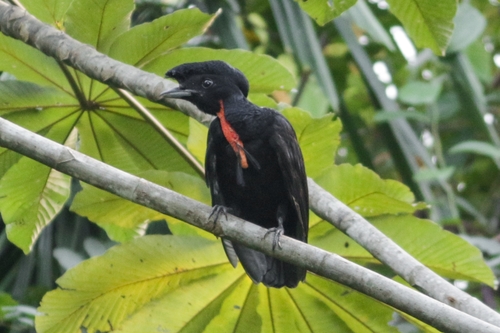
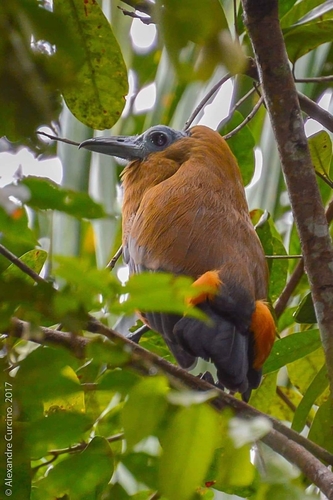
How to identify Perissocephalus tricolor (Statius Muller, 1776)

Perissocephalus tricolor (Statius Muller, 1776)

Perissocephalus tricolor (Statius Muller, 1776)

Perissocephalus tricolor, the capuchinbird, is a large suboscine passerine with …

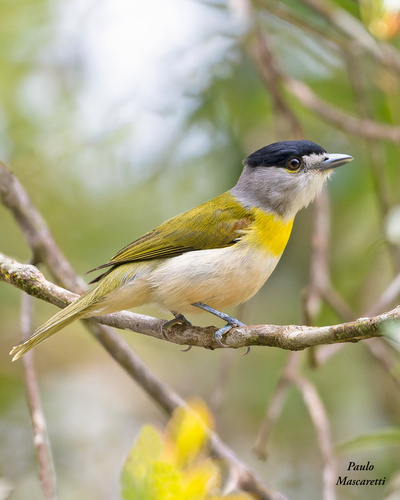
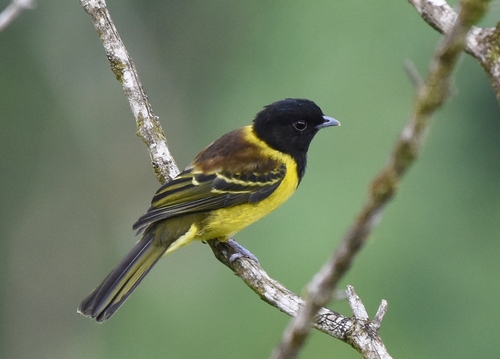
How to identify Pipreola riefferii (Boissonneau, 1840)

Pipreola riefferii (Boissonneau, 1840)

Pipreola riefferii (Boissonneau, 1840)

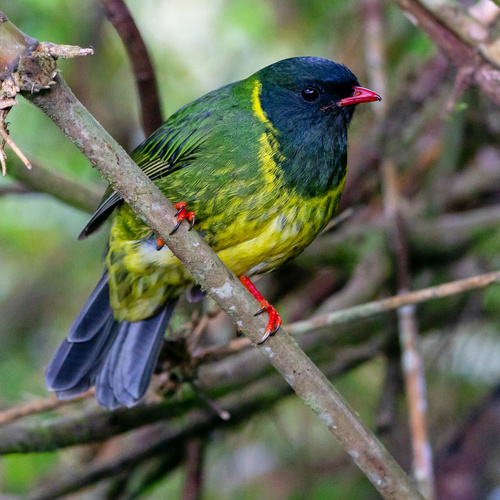
Pipreola riefferii, the green-and-black fruiteater, is a sexually dimorphic Ande…

How to identify Pachyramphus homochrous P.L.Sclater, 1859

Pachyramphus homochrous P.L.Sclater, 1859

Pachyramphus homochrous P.L.Sclater, 1859

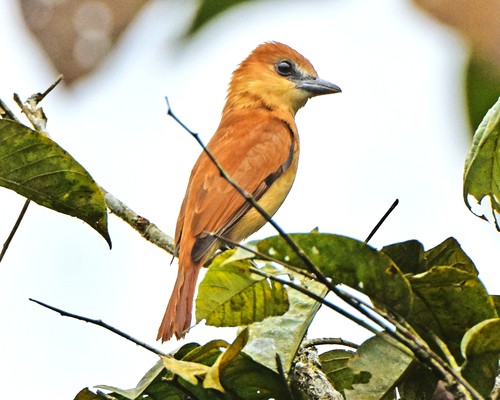
The one-colored becard (Pachyramphus homochrous) is a sexually dimorphic neotrop…

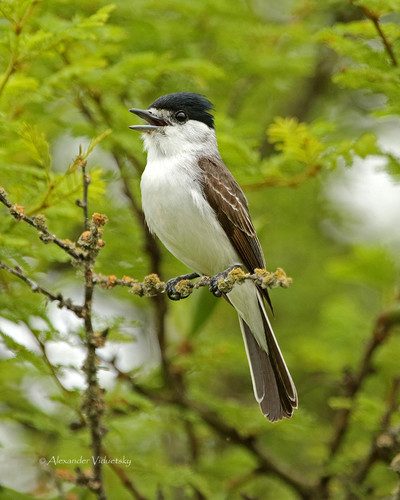
How to identify Pachyramphus polychopterus (Vieillot, 1818)

Pachyramphus polychopterus (Vieillot, 1818)

Pachyramphus polychopterus (Vieillot, 1818)

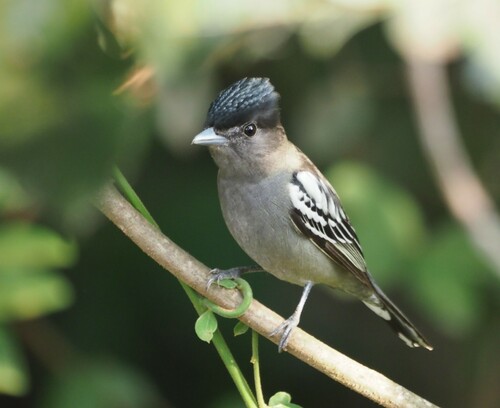
The white-winged becard (Pachyramphus polychopterus) is the most widely ranging …

How to identify Gymnoderus foetidus (Linnaeus, 1758)

Gymnoderus foetidus (Linnaeus, 1758)

Gymnoderus foetidus (Linnaeus, 1758)

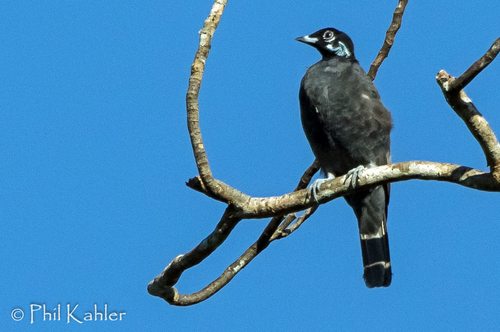
Gymnoderus foetidus, the bare-necked fruitcrow, is a distinctively plumaged coti…

How to identify Cephalopterus glabricollis Gould, 1851

Cephalopterus glabricollis Gould, 1851

Cephalopterus glabricollis Gould, 1851

Cephalopterus glabricollis, the bare-necked umbrellabird, is a large Central Ame…

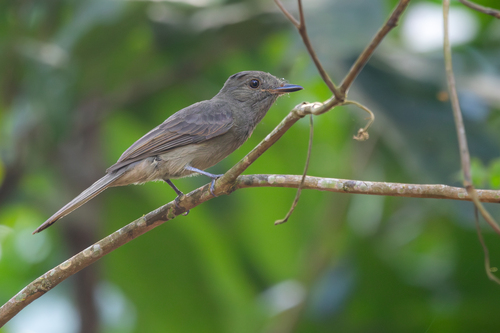
How to identify Lipaugus vociferans (Wied-Neuwied, 1820)

Lipaugus vociferans (Wied-Neuwied, 1820)

Lipaugus vociferans (Wied-Neuwied, 1820)

Lipaugus vociferans, the screaming piha, is a gray Neotropical bird found across…

How to identify Pachyramphus viridis (Vieillot, 1816)

Pachyramphus viridis (Vieillot, 1816)

Pachyramphus viridis (Vieillot, 1816)

Pachyramphus viridis, the green-backed becard, is a small passerine with two des…

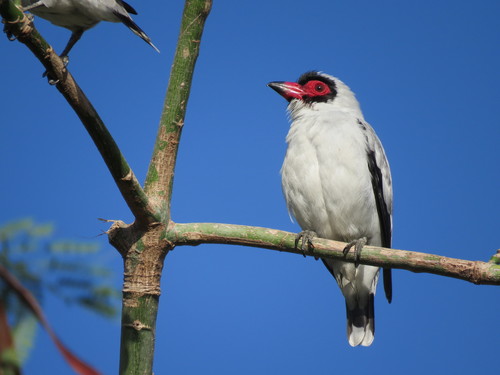
How to identify Tityra semifasciata (Spix, 1825)

Tityra semifasciata (Spix, 1825)

Tityra semifasciata (Spix, 1825)

Masked tityra (Tityra semifasciata) is a sexually dimorphic bird with multiple s…

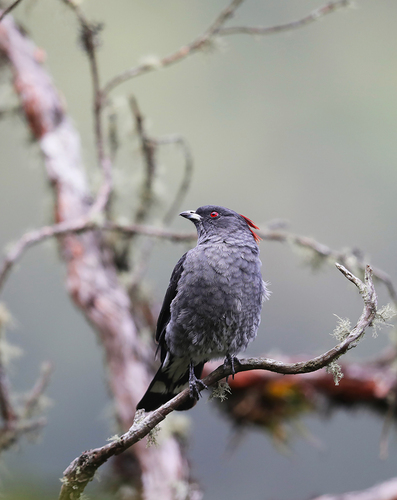
How to identify Ampelion rubrocristatus (Orbigny & Lafresnaye, 1837)

Ampelion rubrocristatus (Orbigny & Lafresnaye, 1837)

Ampelion rubrocristatus (Orbigny & Lafresnaye, 1837)

Ampelion rubrocristatus, the red-crested cotinga, is a South American bird found…

How to identify Carpornis cucullata (Swainson, 1821)

Carpornis cucullata (Swainson, 1821)

Carpornis cucullata (Swainson, 1821)

Carpornis cucullata, the hooded berryeater, is a bird with distinct plumage diff…

How to identify Xenopsaris albinucha (Burmeister, 1869)

Xenopsaris albinucha (Burmeister, 1869)

Xenopsaris albinucha (Burmeister, 1869)

Xenopsaris albinucha, the white-naped xenopsaris, is a small South American bird…

Browse all 52 Cotingidae species →

Frequently Asked Questions

How do you identify Cotingidae?

Cotingidae animals belong to the Passeriformes order in the Animalia kingdom. The species' most distinctive feature is its bare, nearly vulture-like head covered in dull blue skin. For instant identification, use the iNature app — AI-powered and works offline.

What are the key characteristics of Cotingidae?

Cotingidae is classified in the order Passeriformes, class Aves, phylum Chordata. The wings are mostly black, with wide white edges on the coverts that form two distinct wing bars.

Sources: GBIF, iNaturalist, Wikipedia · Disclaimer

Start Exploring Nature Today

Download iNature for free. 10 identifications on us. No account needed. No credit card required.

Download Free on App Store