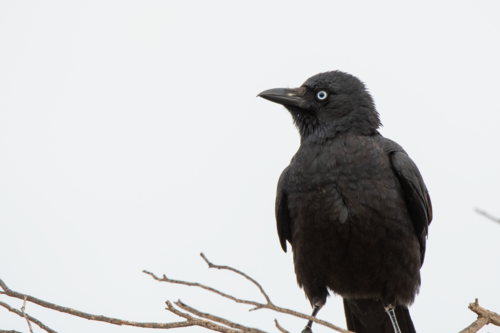
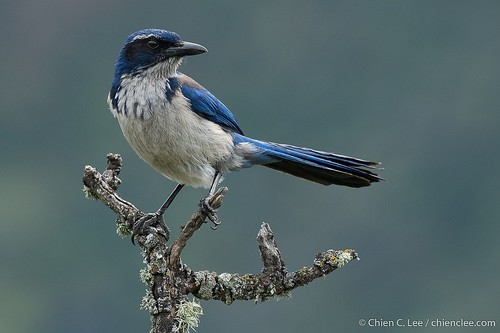
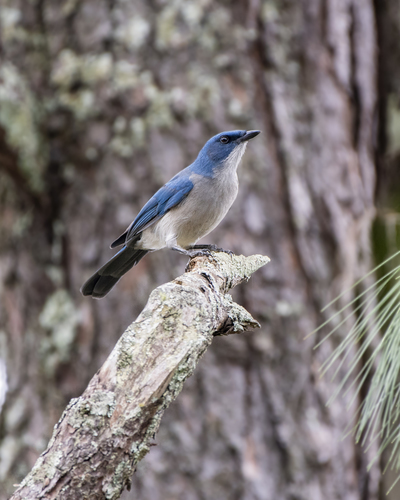
How to Identify Corvidae

Corvidae is a animal family in the Animalia kingdom, order Passeriformes, class Aves. The family contains 91 accepted species worldwide.

Key Identification Features

For instant identification in the field, use the iNature app — AI-powered, works offline.
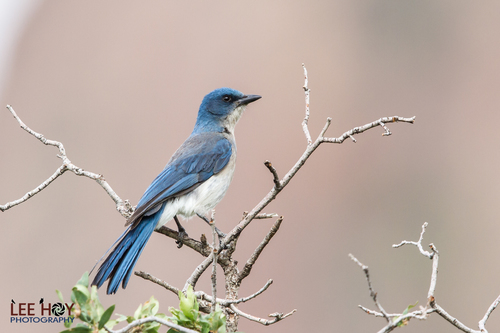
Representative Corvidae Species

How to identify Aphelocoma wollweberi Kaup, 1855

Aphelocoma wollweberi Kaup, 1855

Aphelocoma wollweberi Kaup, 1855

The Mexican jay (Aphelocoma wollweberi) is a medium-large passerine native to Me…

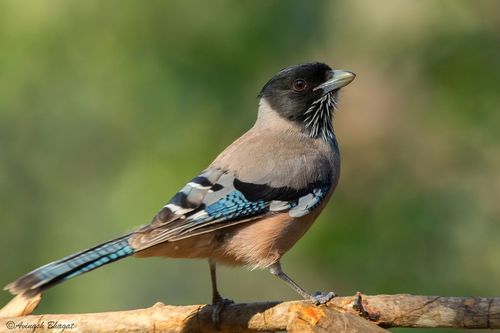
How to identify Garrulus lanceolatus Vigors, 1831

Garrulus lanceolatus Vigors, 1831

Garrulus lanceolatus Vigors, 1831

Garrulus lanceolatus, the black-headed jay, is a non-migratory bird related to t…

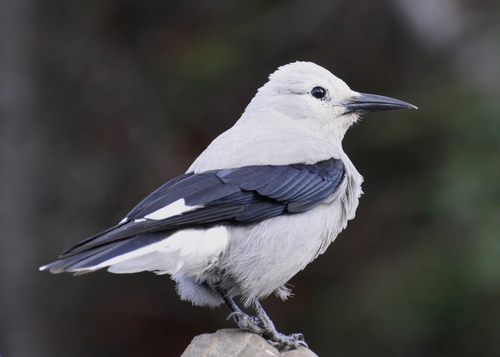
How to identify Nucifraga columbiana (A.Wilson, 1811)

Nucifraga columbiana (A.Wilson, 1811)

Nucifraga columbiana (A.Wilson, 1811)

Clark's nutcracker (Nucifraga columbiana) is a corvid bird of western North Amer…

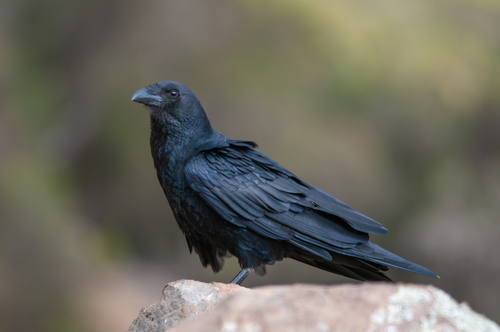
How to identify Corvus rhipidurus Hartert, 1918

Corvus rhipidurus Hartert, 1918

Corvus rhipidurus Hartert, 1918

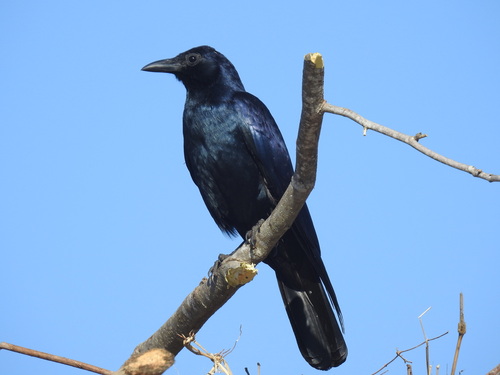
Corvus rhipidurus, the fan-tailed raven, is a small black raven found across dry…

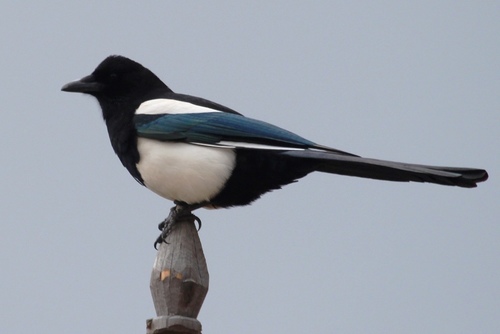
How to identify Pica bottanensis Delessert, 1840

Pica bottanensis Delessert, 1840

Pica bottanensis Delessert, 1840

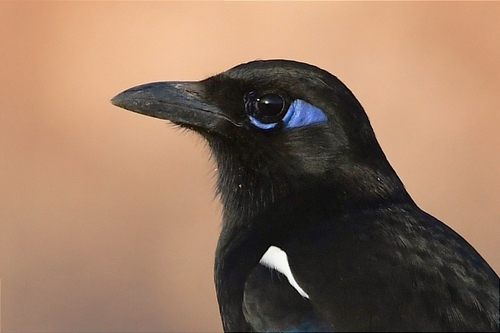
The black-rumped magpie is a black-and-white magpie found in parts of the easter…

How to identify Pica mauritanica Malherbe, 1845

Pica mauritanica Malherbe, 1845

Pica mauritanica Malherbe, 1845

The Maghreb magpie (Pica mauritanica) is a distinct North African magpie species…

How to identify Cyanocorax mystacalis (Sparre, 1835)

Cyanocorax mystacalis (Sparre, 1835)

Cyanocorax mystacalis (Sparre, 1835)

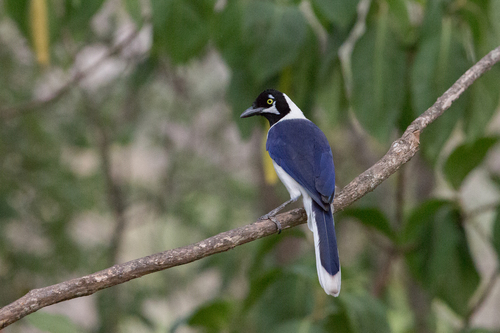
Cyanocorax mystacalis, the white-tailed jay, is a non-migratory bird found in no…

How to identify Corvus imparatus J.L.Peters, 1929

Corvus imparatus J.L.Peters, 1929

Corvus imparatus J.L.Peters, 1929

Corvus imparatus is a small sleek crow found in northeastern Mexico and southern…

How to identify Corvus cornix Linnaeus, 1758

Corvus cornix Linnaeus, 1758

Corvus cornix Linnaeus, 1758

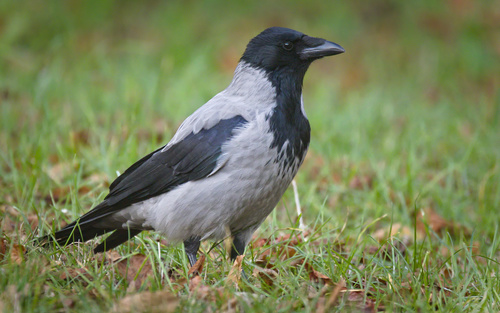
Corvus cornix, the hooded crow, is a distinct grey-and-black crow species found …

How to identify Corvus bennetti North, 1901

Corvus bennetti North, 1901

Corvus bennetti North, 1901

Corvus bennetti, the little crow, is a small Australian crow species found acros…

How to identify Aphelocoma insularis Henshaw, 1886

Aphelocoma insularis Henshaw, 1886

Aphelocoma insularis Henshaw, 1886

Aphelocoma insularis, the island scrub jay, is a jay species currently found onl…

How to identify Aphelocoma ultramarina (Bonaparte, 1825)

Aphelocoma ultramarina (Bonaparte, 1825)

Aphelocoma ultramarina (Bonaparte, 1825)

The Transvolcanic jay is a bird species endemic to south-central Mexico with two…

Browse all 91 Corvidae species →

Frequently Asked Questions

How do you identify Corvidae?

Corvidae animals belong to the Passeriformes order in the Animalia kingdom. In good lighting, its plumage shows a distinct purplish-blue gloss, while worn plumage takes on a slight coppery-brown tone. For instant identification, use the iNature app — AI-powered and works offline.

What are the key characteristics of Corvidae?

Corvidae is classified in the order Passeriformes, class Aves, phylum Chordata. It can be told apart from the Eurasian magpie by several features: a patch of blue skin behind its eye, a narrower white belly, shorter wings, and a longer tail.

Sources: GBIF, iNaturalist, Wikipedia · Disclaimer

Start Exploring Nature Today

Download iNature for free. 10 identifications on us. No account needed. No credit card required.

Download Free on App Store