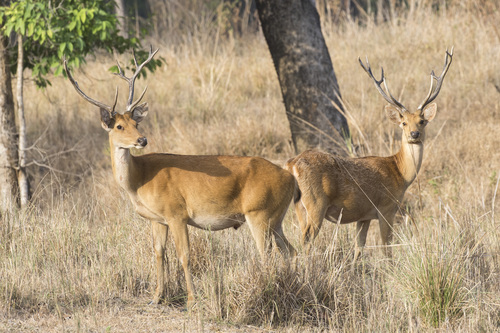
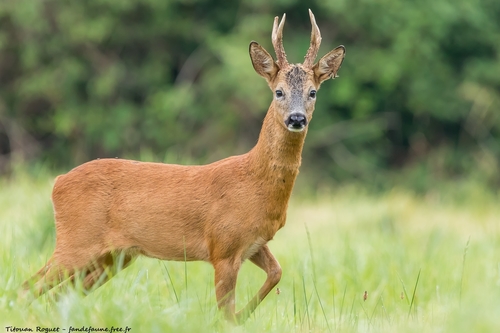
How to Identify Cervidae

Cervidae is a animal family in the Animalia kingdom, order Artiodactyla, class Mammalia. The family contains 30 accepted species worldwide.

Key Identification Features

For instant identification in the field, use the iNature app — AI-powered, works offline.
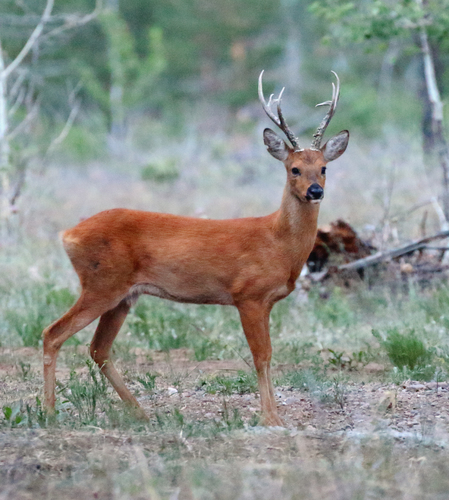
Representative Cervidae Species

How to identify Capreolus pygargus (Pallas, 1771)

Capreolus pygargus (Pallas, 1771)

Capreolus pygargus (Pallas, 1771)

Capreolus pygargus, the Siberian roe deer, is a medium-sized deer native to temp…

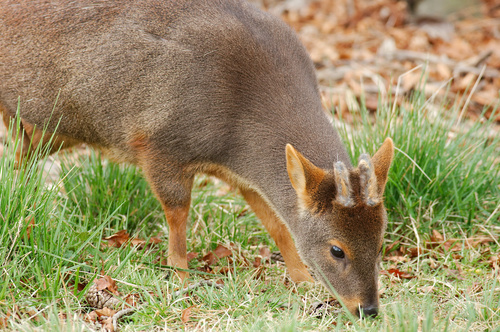
How to identify Pudu puda (Molina, 1782)

Pudu puda (Molina, 1782)

Pudu puda (Molina, 1782)

Pudu puda, the southern pudu, is the world's third smallest deer, native to fore…

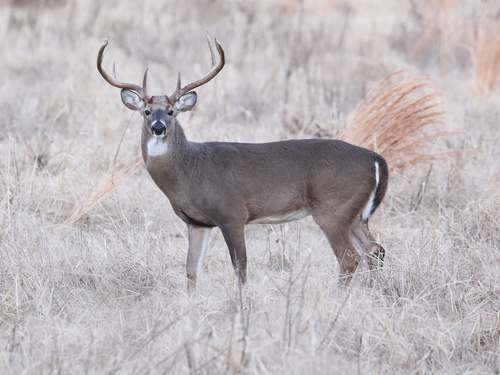
How to identify Odocoileus virginianus (Zimmermann, 1780)

Odocoileus virginianus (Zimmermann, 1780)

Odocoileus virginianus (Zimmermann, 1780)

Odocoileus virginianus, the white-tailed deer, is a widely distributed North Ame…

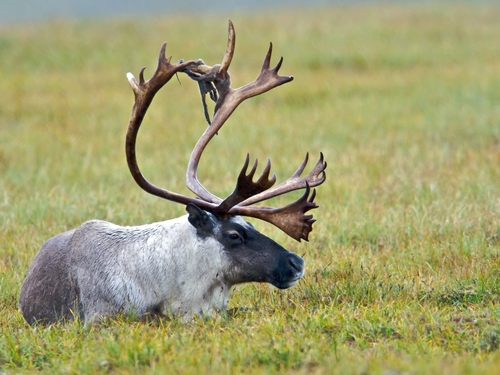
How to identify Rangifer tarandus (Linnaeus, 1758)

Rangifer tarandus (Linnaeus, 1758)

Rangifer tarandus (Linnaeus, 1758)

Rangifer tarandus (reindeer/caribou) is a Holarctic hoofed mammal with diverse s…

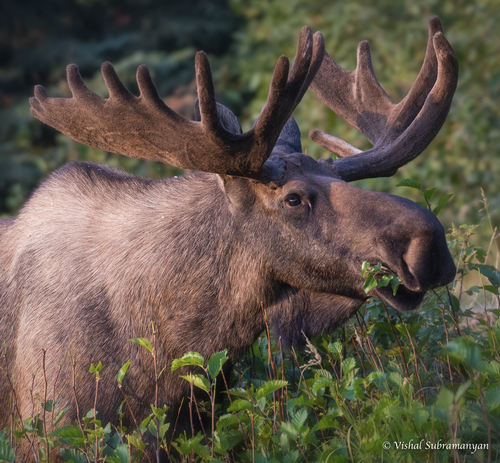
How to identify Alces alces (Linnaeus, 1758)

Alces alces (Linnaeus, 1758)

Alces alces (Linnaeus, 1758)

Alces alces, the moose, is the largest deer species with specific habitat needs,…

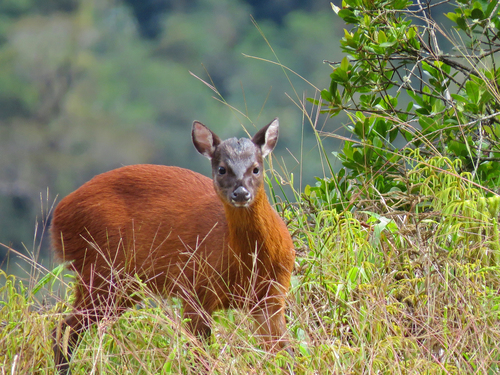
How to identify Mazama rufina (Bourcier & Pucheran, 1852)

Mazama rufina (Bourcier & Pucheran, 1852)

Mazama rufina (Bourcier & Pucheran, 1852)

The little red brocket is a small little-studied Andean deer with a reddish coat…

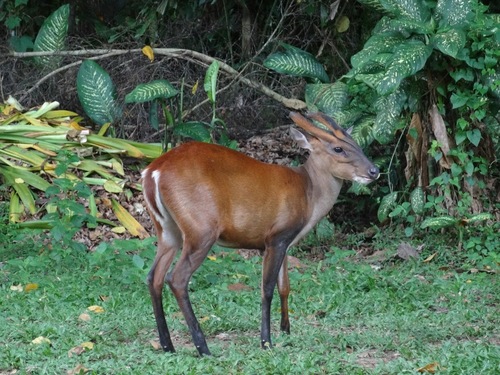
How to identify Muntiacus muntjak (Zimmermann, 1780)

Muntiacus muntjak (Zimmermann, 1780)

Muntiacus muntjak (Zimmermann, 1780)

Muntiacus muntjak, the southern red muntjac or barking deer, is a small deer nat…

How to identify Muntiacus muntjak vaginalis (Boddaert, 1785)

Muntiacus muntjak vaginalis (Boddaert, 1785)

Muntiacus muntjak vaginalis (Boddaert, 1785)

The southern red muntjac, also called barking deer, is a small solitary deer nat…

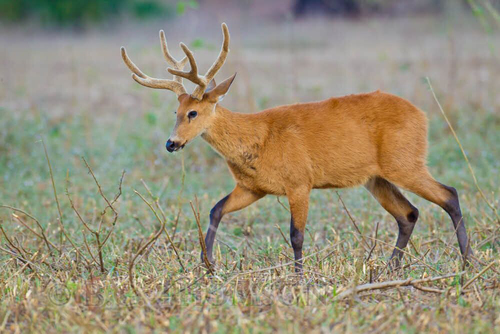
How to identify Blastocerus dichotomus (Illiger, 1815)

Blastocerus dichotomus (Illiger, 1815)

Blastocerus dichotomus (Illiger, 1815)

Marsh deer (Blastocerus dichotomus) is the largest living South American deer, n…

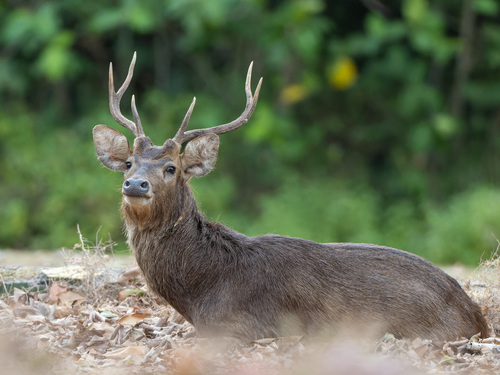
How to identify Rusa timorensis (Blainville, 1822)

Rusa timorensis (Blainville, 1822)

Rusa timorensis (Blainville, 1822)

Rusa timorensis, the Javan rusa, is a vulnerable native Indonesian deer species …

How to identify Rucervus duvaucelii (G.Cuvier, 1823)

Rucervus duvaucelii (G.Cuvier, 1823)

Rucervus duvaucelii (G.Cuvier, 1823)

Rucervus duvaucelii, the barasingha or swamp deer, is a large deer native to the…

How to identify Capreolus capreolus (Linnaeus, 1758)

Capreolus capreolus (Linnaeus, 1758)

Capreolus capreolus (Linnaeus, 1758)

Capreolus capreolus (roe deer) is a small European deer, hunted as game that is …

Browse all 30 Cervidae species →

Frequently Asked Questions

How do you identify Cervidae?

Cervidae animals belong to the Artiodactyla order in the Animalia kingdom. The division of their original range led to the formation of two morphologically distinct subspecies: the Tian Shan roe deer and the Siberian roe deer. For instant identification, use the iNature app — AI-powered and works offline.

What are the key characteristics of Cervidae?

Cervidae is classified in the order Artiodactyla, class Mammalia, phylum Chordata. This species can be identified by the characteristic white underside of its tail; it raises this tail when alarmed to warn predators that it has been detected.

Sources: GBIF, iNaturalist, Wikipedia · Disclaimer

Start Exploring Nature Today

Download iNature for free. 10 identifications on us. No account needed. No credit card required.

Download Free on App Store