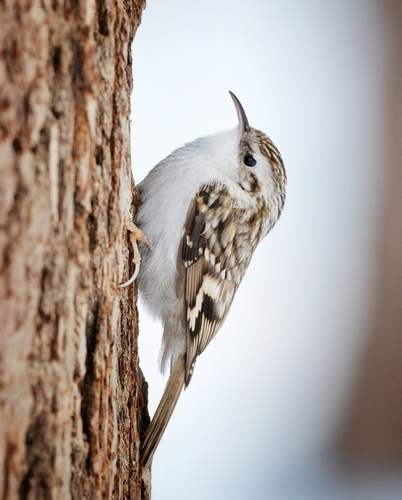
Key Identification Features
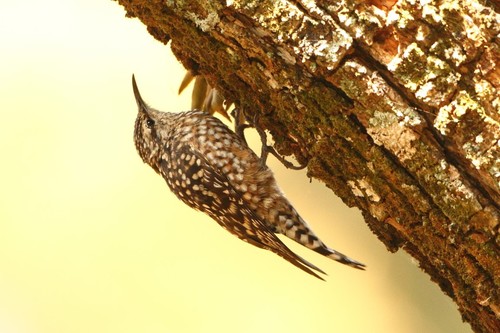
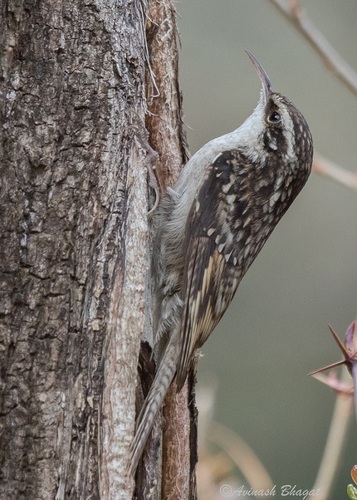
- Its plumage is closely similar to that of the Indian spotted creeper, but is clearly distinct from the plumage of treecreepers in the genus Certhia.
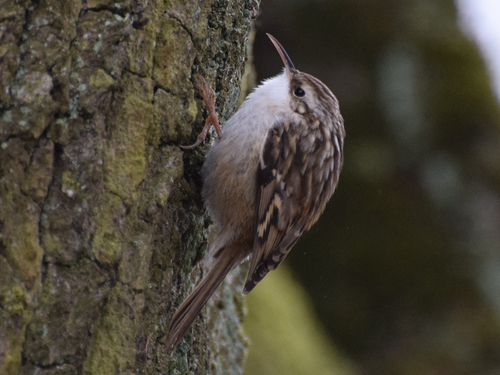
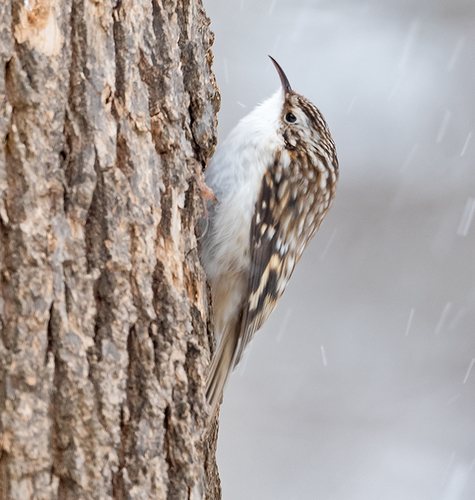
- Even when examined in the hand, although the short-toed treecreeper usually has a longer bill and shorter toes, 5% of individuals cannot be safely identified.
- Its contact call is a very quiet, thin, high-pitched "sit", while its most distinctive call is a penetrating "tsree" with a vibrato quality, sometimes repeated as a series of notes.
- Singing individuals are usually identifiable, because the short-toed treecreeper has a distinctive song of evenly spaced notes that sounds quite different from the Eurasian treecreeper's song.
For instant identification in the field, use the iNature app — AI-powered, works offline.