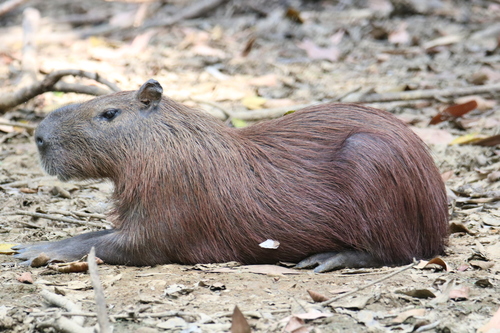
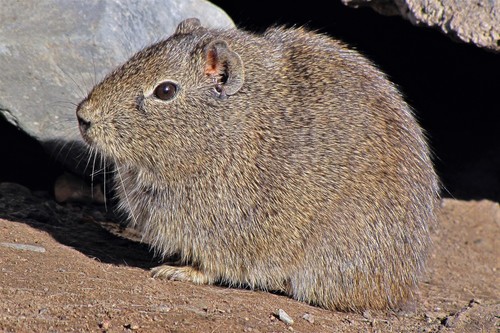
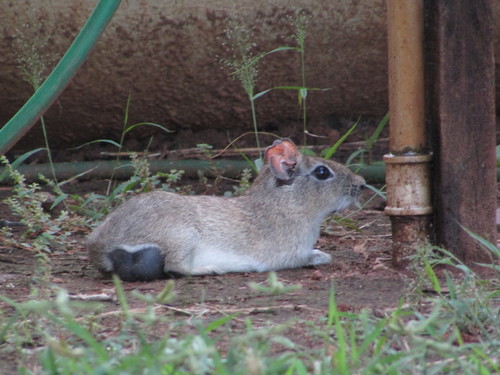
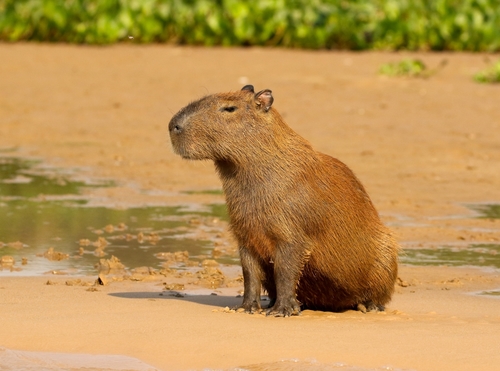
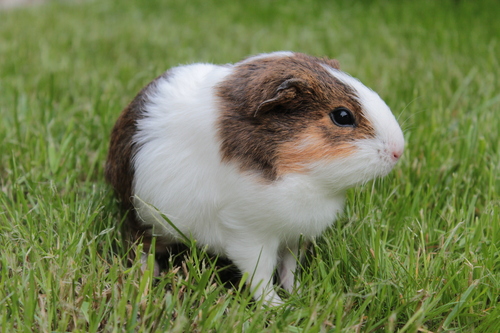
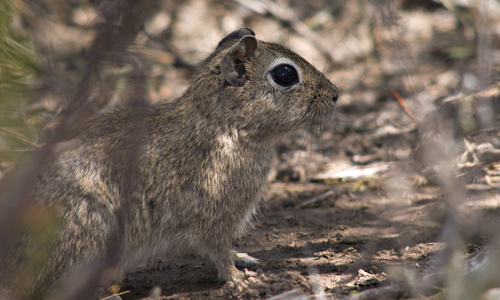
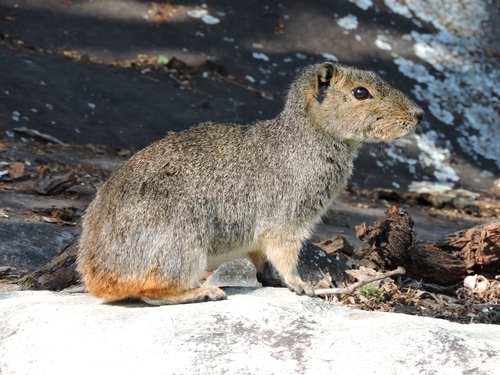
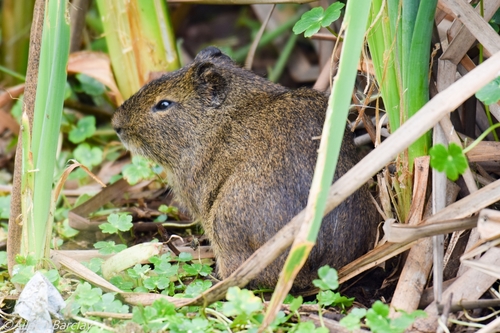
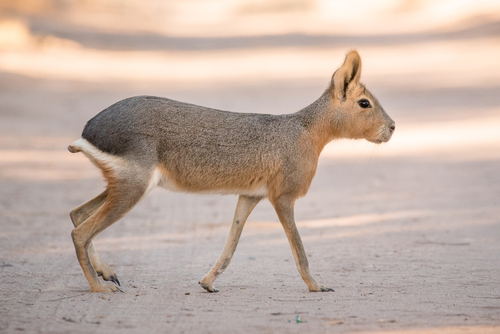
Key Identification Features
- Detailed anatomical and genealogical studies led to its reclassification as a distinct separate species during the 1980s.
- The study found no distinct differences in results between the soaking and injection methods.
- These subspecies are distinguished by differences in fur coloration, skull size and shape, auditory bullae size, and tooth shape.
- It has distinctive upright ears and long limbs.
For instant identification in the field, use the iNature app — AI-powered, works offline.