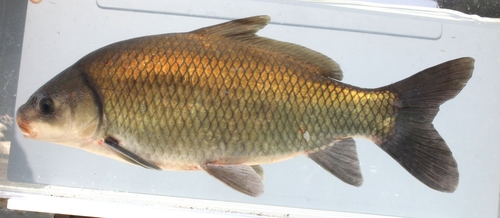
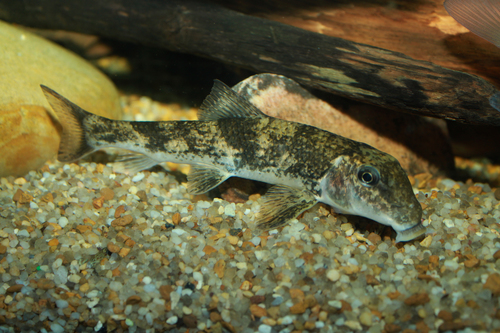
How to Identify Catostomidae

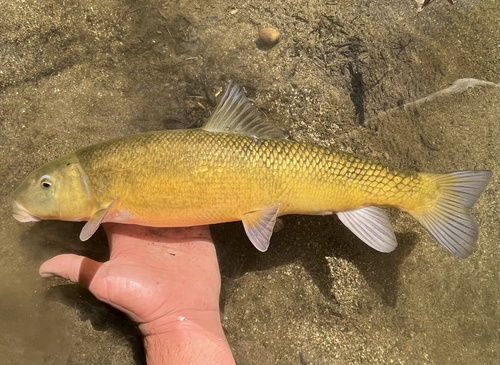
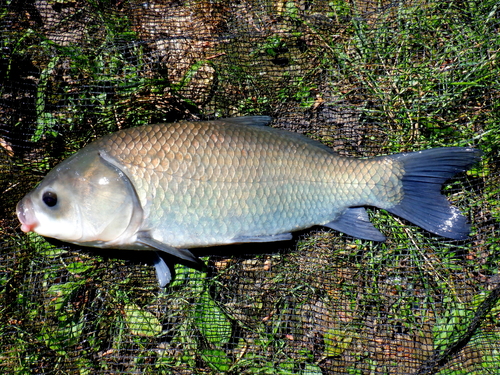
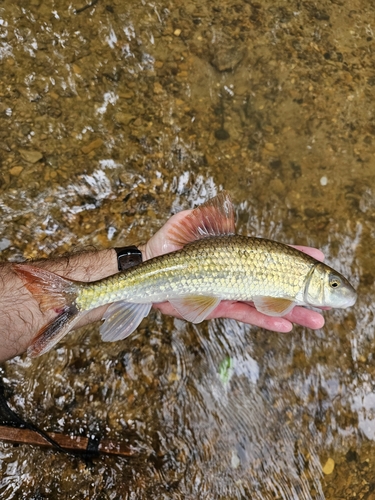
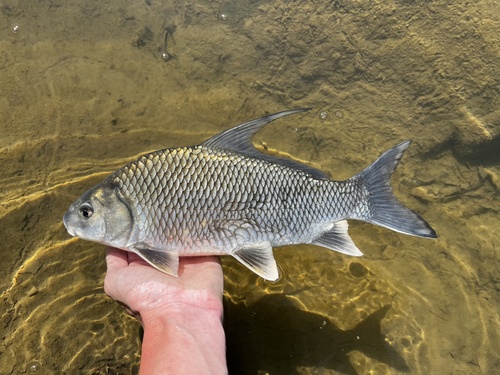
Catostomidae is a animal family in the Animalia kingdom, order Cypriniformes, class . The family contains 29 accepted species worldwide.

Key Identification Features

For instant identification in the field, use the iNature app — AI-powered, works offline.
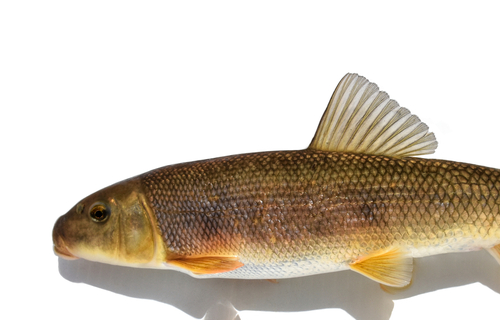
Representative Catostomidae Species

How to identify Catostomus commersonii (Lacepède, 1803)

Catostomus commersonii (Lacepède, 1803)

Catostomus commersonii (Lacepède, 1803)

Catostomus commersonii, the white sucker, is a freshwater North American fish wi…

How to identify Catostomus occidentalis Ayres, 1854

Catostomus occidentalis Ayres, 1854

Catostomus occidentalis Ayres, 1854

Catostomus occidentalis, the Sacramento sucker, is a fish endemic to western Nor…

How to identify Ictiobus cyprinellus (Valenciennes, 1844)

Ictiobus cyprinellus (Valenciennes, 1844)

Ictiobus cyprinellus (Valenciennes, 1844)

Bigmouth buffalo (Ictiobus cyprinellus) is an extremely long-lived declining Nor…

How to identify Moxostoma poecilurum Jordan, 1877

Moxostoma poecilurum Jordan, 1877

Moxostoma poecilurum Jordan, 1877

Moxostoma poecilurum, the blacktail redhorse, is an endemic freshwater sucker of…

How to identify Carpiodes cyprinus (Lesueur, 1817)

Carpiodes cyprinus (Lesueur, 1817)

Carpiodes cyprinus (Lesueur, 1817)

Carpiodes cyprinus, the quillback, is a medium-sized silver freshwater fish foun…

How to identify Catostomus catostomus (Forster, 1773)

Catostomus catostomus (Forster, 1773)

Catostomus catostomus (Forster, 1773)

Catostomus catostomus, the longnose sucker, is a bottom-feeding freshwater fish …

How to identify Moxostoma anisurum (Rafinesque, 1820)

Moxostoma anisurum (Rafinesque, 1820)

Moxostoma anisurum (Rafinesque, 1820)

Moxostoma anisurum, the silver redhorse, is a freshwater sucker fish native to e…

How to identify Moxostoma macrolepidotum (Lesueur, 1817)

Moxostoma macrolepidotum (Lesueur, 1817)

Moxostoma macrolepidotum (Lesueur, 1817)

Moxostoma macrolepidotum, the shorthead redhorse, is a widespread North American…

How to identify Moxostoma congestum (Baird & Girard, 1854)

Moxostoma congestum (Baird & Girard, 1854)

Moxostoma congestum (Baird & Girard, 1854)

Gray redhorse (Moxostoma congestum) is a freshwater fish in the Catostomidae fam…

How to identify Thoburnia rhothoeca (Thoburn, 1896)

Thoburnia rhothoeca (Thoburn, 1896)

Thoburnia rhothoeca (Thoburn, 1896)

Thoburnia rhothoeca is a small sexually dimorphic sucker fish native to parts of…

How to identify Ictiobus bubalus (Rafinesque, 1818)

Ictiobus bubalus (Rafinesque, 1818)

Ictiobus bubalus (Rafinesque, 1818)

Ictiobus bubalus, the smallmouth buffalo, is a hardy freshwater fish with a char…

How to identify Hypentelium nigricans (Lesueur, 1817)

Hypentelium nigricans (Lesueur, 1817)

Hypentelium nigricans (Lesueur, 1817)

The northern hogsucker (Hypentelium nigricans) is a common freshwater sucker nat…

Browse all 29 Catostomidae species →

Frequently Asked Questions

How do you identify Catostomidae?

Catostomidae animals belong to the Cypriniformes order in the Animalia kingdom. It shows typical features of primitive Cypriniformes, including a homocercal tail, cycloid scales, and fin rays on its dorsal, pectoral, and pelvic fins. For instant identification, use the iNature app — AI-powered and works offline.

What are the key characteristics of Catostomidae?

Catostomidae is classified in the order Cypriniformes, class , phylum Chordata. White suckers are often confused with other species of suckers and redhorses, but can be identified by their complete lateral line system that holds 55–85 small scales.

Sources: GBIF, iNaturalist, Wikipedia · Disclaimer

Start Exploring Nature Today

Download iNature for free. 10 identifications on us. No account needed. No credit card required.

Download Free on App Store