How to Identify Cardiidae

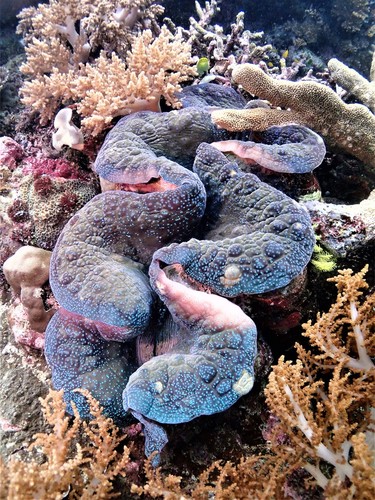
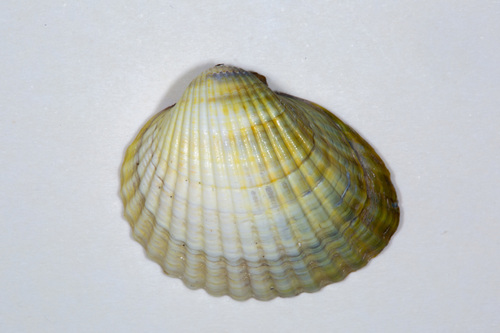
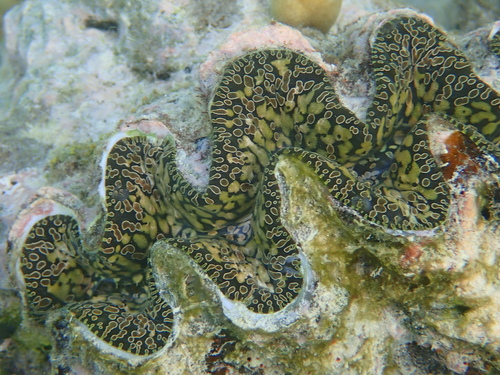
Cardiidae is a animal family in the Animalia kingdom, order Cardiida, class Bivalvia. The family contains 36 accepted species worldwide.

Key Identification Features

For instant identification in the field, use the iNature app — AI-powered, works offline.
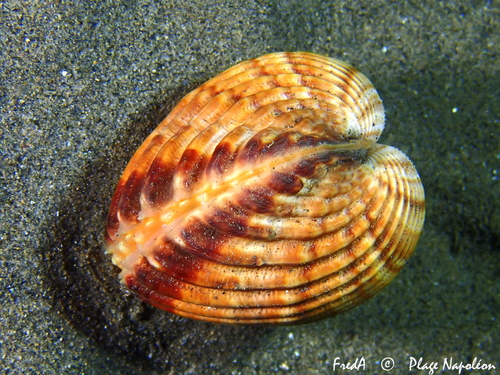
Representative Cardiidae Species

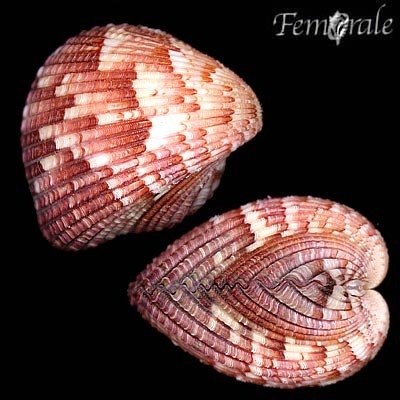
How to identify Acanthocardia tuberculata (Linnaeus, 1758)

Acanthocardia tuberculata (Linnaeus, 1758)

Acanthocardia tuberculata (Linnaeus, 1758)

Acanthocardia tuberculata is a spiny-ribbed bivalve mollusk found in the Northea…

How to identify Americardia media (Linnaeus, 1758)

Americardia media (Linnaeus, 1758)

Americardia media (Linnaeus, 1758)

Americardia media, the Atlantic strawberry cockle, is a saltwater cockle found a…

How to identify Clinocardium nuttallii (Conrad, 1837)

Clinocardium nuttallii (Conrad, 1837)

Clinocardium nuttallii (Conrad, 1837)

Clinocardium nuttallii, the only species in its genus, is an edible cockle rangi…

How to identify Acanthocardia echinata (Linnaeus, 1758)

Acanthocardia echinata (Linnaeus, 1758)

Acanthocardia echinata (Linnaeus, 1758)

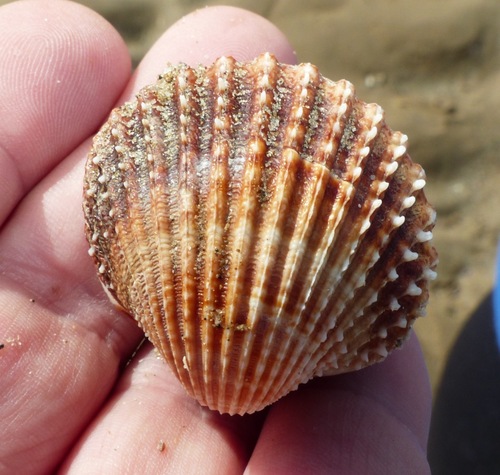
Acanthocardia echinata, the prickly cockle, is a marine bivalve mollusc found in…

How to identify Hippopus hippopus (Linnaeus, 1758)

Hippopus hippopus (Linnaeus, 1758)

Hippopus hippopus (Linnaeus, 1758)

Hippopus hippopus is a medium-sized tridacnine clam found in shallow Indo-Pacifi…

How to identify Cerastoderma edule (Linnaeus, 1758)

Cerastoderma edule (Linnaeus, 1758)

Cerastoderma edule (Linnaeus, 1758)

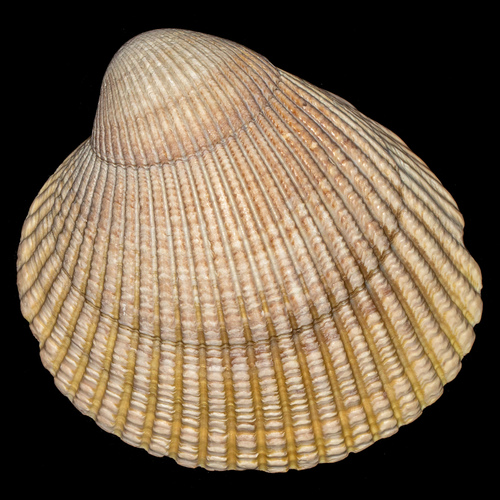
Cerastoderma edule, the common cockle, is an edible Atlantic bivalve mollusc imp…

How to identify Laevicardium crassum (Gmelin, 1791)

Laevicardium crassum (Gmelin, 1791)

Laevicardium crassum (Gmelin, 1791)

Laevicardium crassum is a bivalve with a distinct smooth, ribbed shell found in …

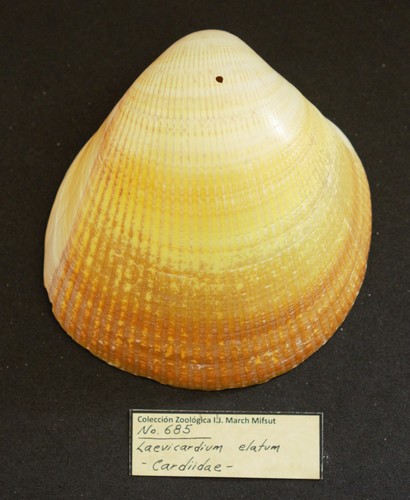
How to identify Laevicardium elatum (G.B.Sowerby I, 1833)

Laevicardium elatum (G.B.Sowerby I, 1833)

Laevicardium elatum (G.B.Sowerby I, 1833)

Laevicardium elatum is a bivalve with 120–130 mm shells found in sandy shallow w…

How to identify Tridacna maxima (Röding, 1798)

Tridacna maxima (Röding, 1798)

Tridacna maxima (Röding, 1798)

Tridacna maxima, the small giant clam, is a smaller giant bivalve with a wide In…

How to identify Tridacna gigas (Linnaeus, 1758)

Tridacna gigas (Linnaeus, 1758)

Tridacna gigas (Linnaeus, 1758)

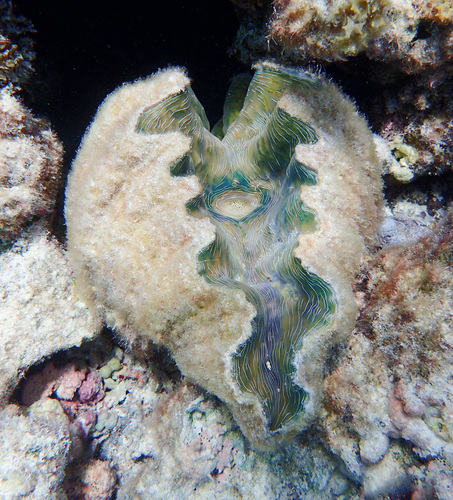
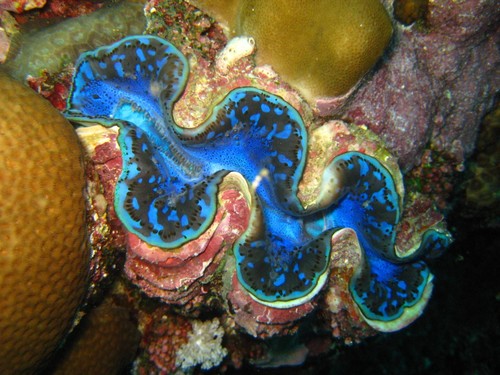
Tridacna gigas, the giant clam, is the world's largest living bivalve, a sessile…

How to identify Cerastoderma glaucum (Bruguière, 1789)

Cerastoderma glaucum (Bruguière, 1789)

Cerastoderma glaucum (Bruguière, 1789)

Cerastoderma glaucum, the lagoon cockle, is a euryhaline saltwater bivalve found…

How to identify Tridacna noae (Röding, 1798)

Tridacna noae (Röding, 1798)

Tridacna noae (Röding, 1798)

Tridacna noae is a medium-sized giant clam found across the Indo-West Pacific on…

Browse all 36 Cardiidae species →

Frequently Asked Questions

How do you identify Cardiidae?

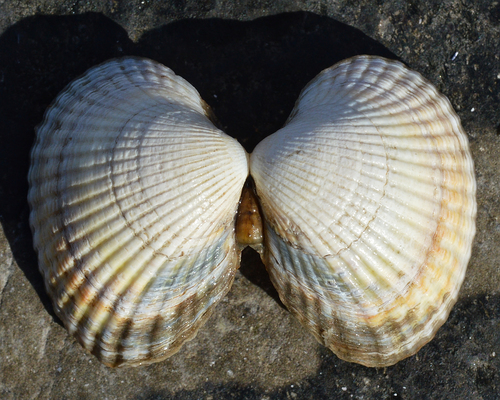
Cardiidae animals belong to the Cardiida order in the Animalia kingdom. The yellowish-brown shell of Acanthocardia echinata can reach up to 75 mm in diameter, and features 18 to 22 spiny ridges. For instant identification, use the iNature app — AI-powered and works offline.

What are the key characteristics of Cardiidae?

Cardiidae is classified in the order Cardiida, class Bivalvia, phylum Mollusca. The shell has a sub-rhomboidal shape, and features deep vertical ridges that run across its entire surface.

Sources: GBIF, iNaturalist, Wikipedia · Disclaimer

Start Exploring Nature Today

Download iNature for free. 10 identifications on us. No account needed. No credit card required.

Download Free on App Store