Key Identification Features
- The corolla is fused at the base, and divides into 5 slender petals with distinctly recurved tips.
For instant identification in the field, use the iNature app — AI-powered, works offline.
Campanulaceae is a plant family in the Plantae kingdom, order Asterales, class Magnoliopsida. The family contains 332 accepted species worldwide. Some species in this family are toxic — exercise caution when handling unknown specimens.
For instant identification in the field, use the iNature app — AI-powered, works offline.
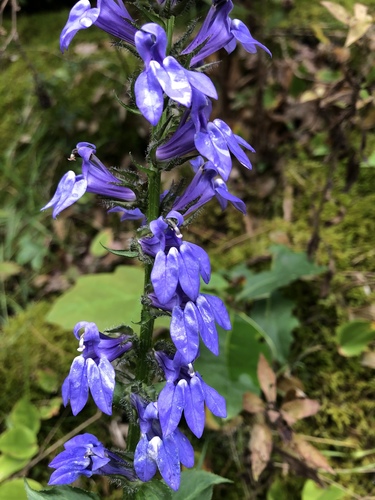
Lobelia siphilitica L.
Lobelia siphilitica (great lobelia) is a tall North American blue-flowered plant…
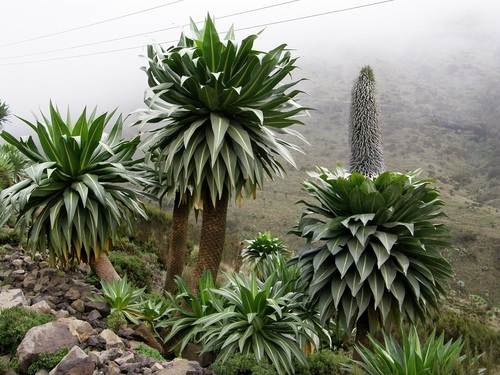
Lobelia rhynchopetalum Hemsl.
Lobelia rhynchopetalum, the giant lobelia, is an endemic Ethiopian flowering pla…
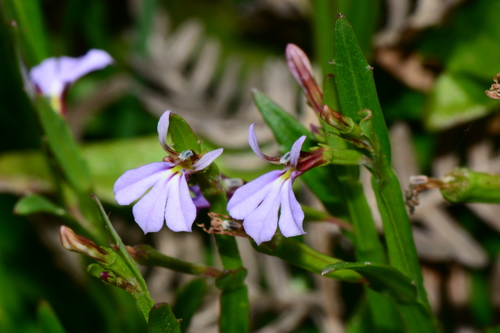
Lobelia anceps L.f.
Lobelia anceps is a small perennial herb found across several Australian states …
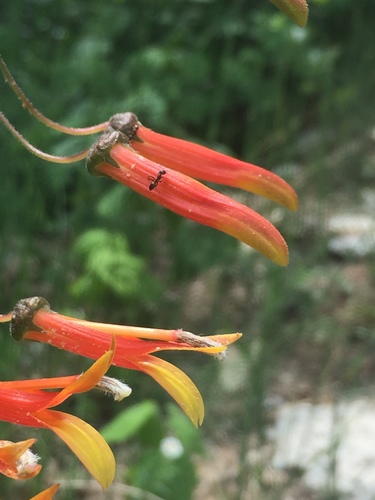
Lobelia laxiflora Kunth
Lobelia laxiflora Kunth is a flowering American plant, grown ornamentally, that …
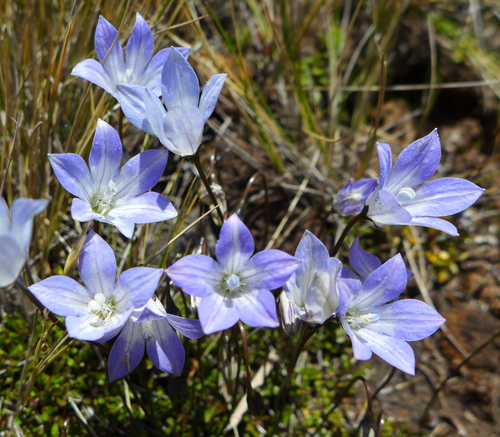
Wahlenbergia pygmaea Colenso
Wahlenbergia pygmaea is a small perennial herb endemic to New Zealand's North Is…
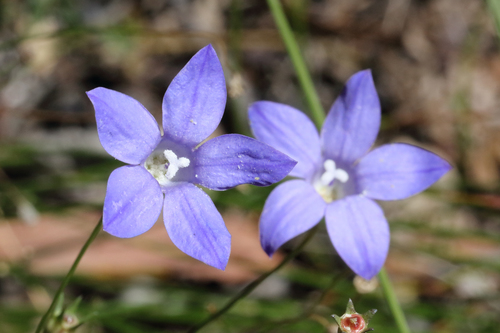
Wahlenbergia capillaris (G.Lodd.) G.Don
Wahlenbergia capillaris is a blue-flowered perennial herb widespread across main…
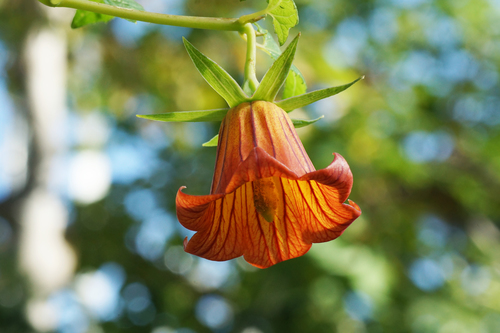
Canarina canariensis (L.) Vatke
Canarina canariensis is an endemic Canary Islands scrambling perennial with edib…
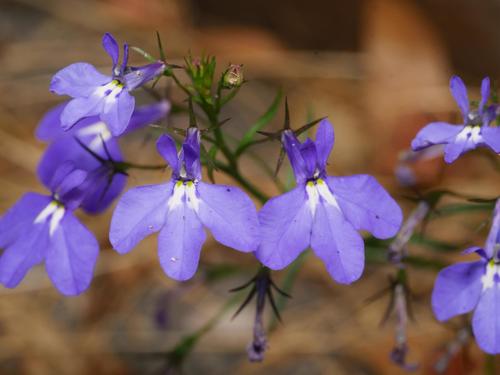
Lobelia erinus L.
Lobelia erinus is a popular cultivated garden ornamental native to southern Afri…
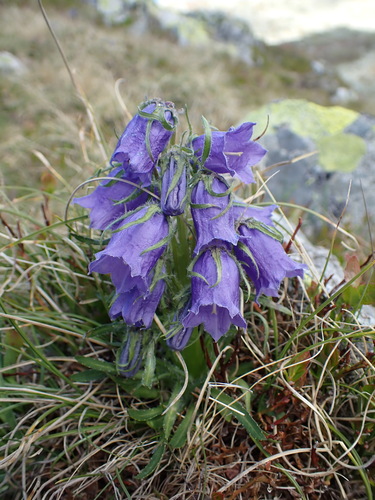
Campanula alpina Jacq.
Campanula alpina, the alpine bellflower, is a perennial bellflower species with …
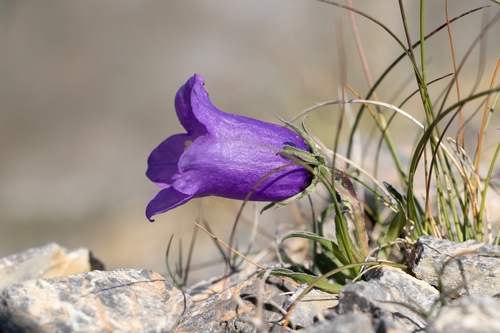
Campanula alpestris All.
Campanula alpestris All., the alpine bellflower, is a Campanulaceae flowering pl…
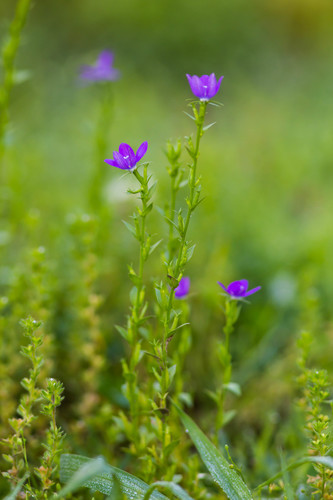
Triodanis biflora Nieuwl.
Triodanis biflora (Small Venus' Looking-Glass) is a native American annual bellf…
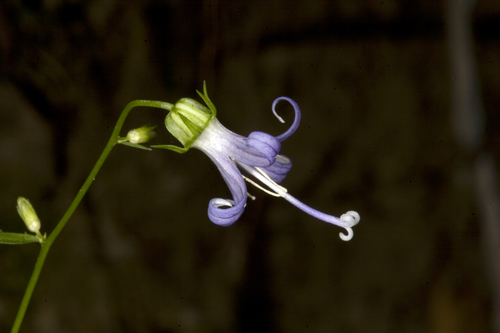
Smithiastrum prenanthoides (Durand) Morin
Smithiastrum prenanthoides is a North American native perennial herb with blue-p…
Campanulaceae plants belong to the Asterales order in the Plantae kingdom. The corolla is fused at the base, and divides into 5 slender petals with distinctly recurved tips. For instant identification, use the iNature app — AI-powered and works offline.
Campanulaceae is classified in the order Asterales, class Magnoliopsida, phylum Tracheophyta. The family contains 332 accepted species worldwide.
Yes, some Campanulaceae species are toxic or poisonous. Always exercise caution with unknown specimens. View poisonous Campanulaceae species or browse the full poisonous species guide.
Sources: GBIF, iNaturalist, Wikipedia · Disclaimer
Download iNature for free. 10 identifications on us. No account needed. No credit card required.
Download Free on App Store
