How to Identify Calliphoridae

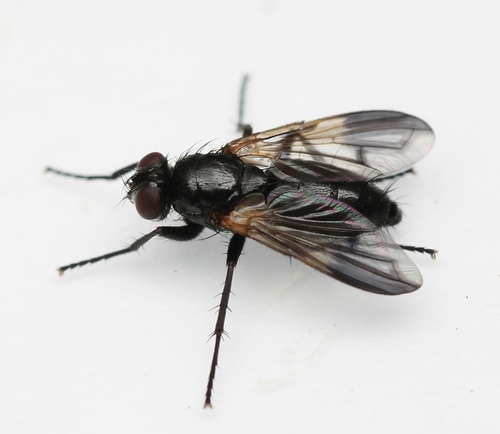
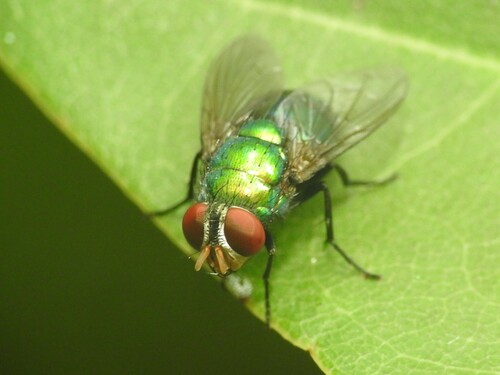
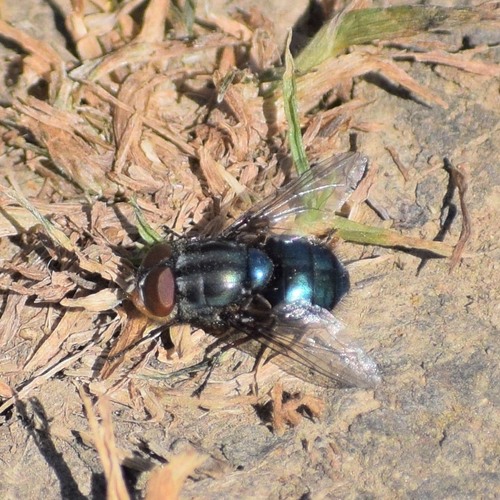
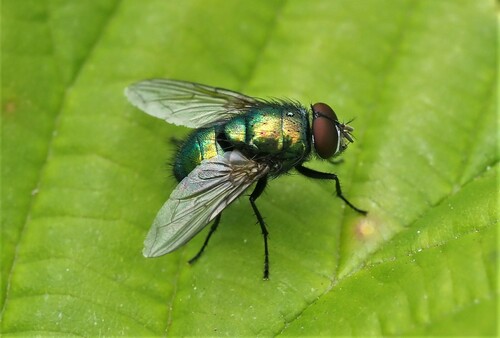
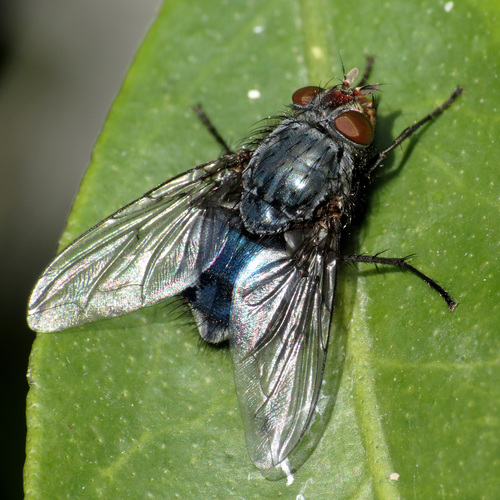
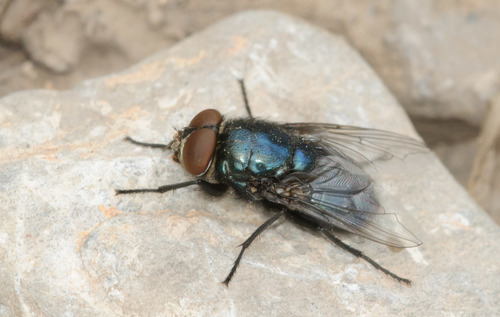
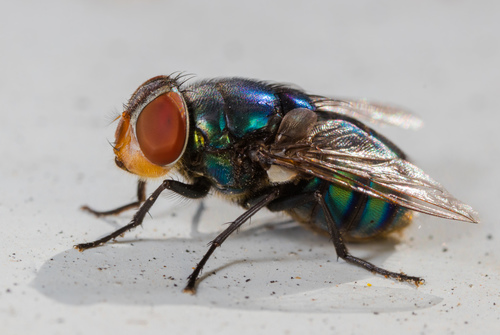
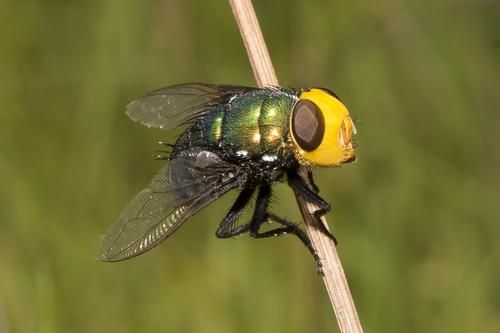
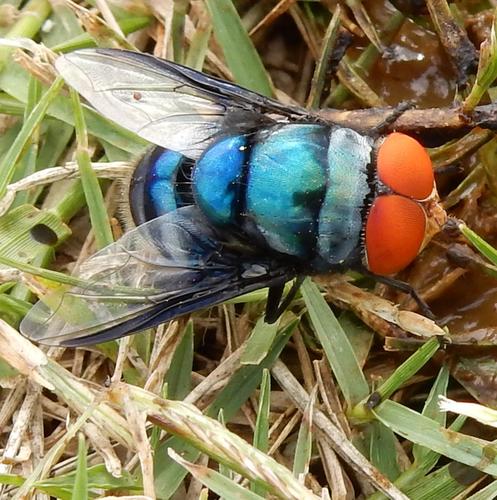
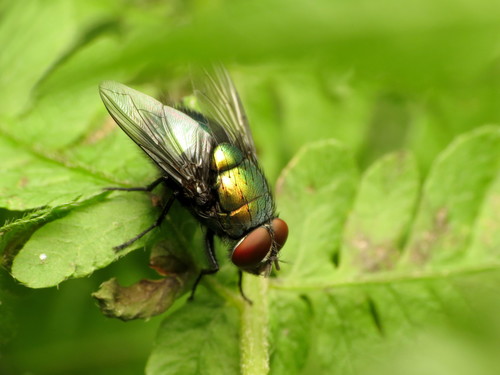
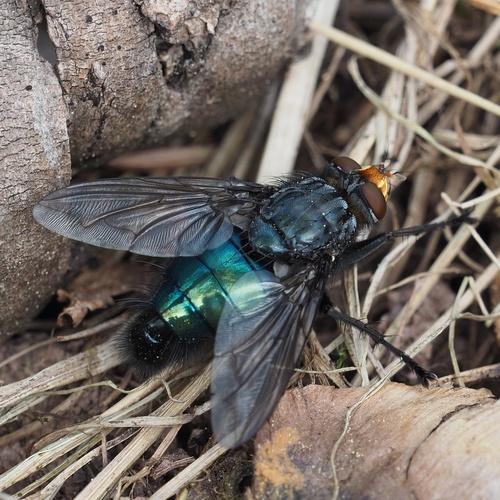
Calliphoridae is a animal family in the Animalia kingdom, order Diptera, class Insecta. The family contains 48 accepted species worldwide.

Key Identification Features

For instant identification in the field, use the iNature app — AI-powered, works offline.
Representative Calliphoridae Species

How to identify Calliphora stygia (Fabricius, 1781)

Calliphora stygia (Fabricius, 1781)

Calliphora stygia (Fabricius, 1781)

Calliphora stygia is an Australian blow fly with distinct physical traits that s…

How to identify Paykullia maculata (Fallén, 1815)

Paykullia maculata (Fallén, 1815)

Paykullia maculata (Fallén, 1815)

Paykullia maculata is a small variable fly found across most of Europe, living i…

How to identify Lucilia eximia (Wiedemann, 1819)

Lucilia eximia (Wiedemann, 1819)

Lucilia eximia (Wiedemann, 1819)

Lucilia eximia (Wiedemann, 1819) is a species of blow fly in the Calliphoridae f…

How to identify Compsomyiops callipes (Bigot, 1877)

Compsomyiops callipes (Bigot, 1877)

Compsomyiops callipes (Bigot, 1877)

Compsomyiops callipes is a relatively large metallic blue blow fly species found…

How to identify Lucilia caesar (Linnaeus, 1758)

Lucilia caesar (Linnaeus, 1758)

Lucilia caesar (Linnaeus, 1758)

Lucilia caesar, the common greenbottle blow fly, is found across Eurasia and Nor…

How to identify Calliphora vicina Robineau-Desvoidy, 1830

Calliphora vicina Robineau-Desvoidy, 1830

Calliphora vicina Robineau-Desvoidy, 1830

Calliphora vicina, the blue bottle fly, is a metallic blue-gray fly identifiable…

How to identify Phormia regina (Meigen, 1826)

Phormia regina (Meigen, 1826)

Phormia regina (Meigen, 1826)

Phormia regina, the black blow fly, is a North American species whose maggots ar…

How to identify Chrysomya megacephala (Fabricius, 1794)

Chrysomya megacephala (Fabricius, 1794)

Chrysomya megacephala (Fabricius, 1794)

Chrysomya megacephala is a widespread blowfly used in forensic toxin detection a…

How to identify Amenia imperialis Robineau-Desvoidy, 1830

Amenia imperialis Robineau-Desvoidy, 1830

Amenia imperialis Robineau-Desvoidy, 1830

Amenia imperialis is a calliphorid blowfly species found in Australia, with two …

How to identify Chrysomya marginalis

Chrysomya marginalis

Chrysomya marginalis

Chrysomya marginalis, the regal blowfly, is a large iridescent blowfly identifie…

How to identify Lucilia illustris (Meigen, 1826)

Lucilia illustris (Meigen, 1826)

Lucilia illustris (Meigen, 1826)

Lucilia illustris (Meigen, 1826) is a 6–9 mm fly with detailed descriptions of i…

How to identify Cynomya mortuorum (Linnaeus, 1761)

Cynomya mortuorum (Linnaeus, 1761)

Cynomya mortuorum (Linnaeus, 1761)

Cynomya mortuorum is a cold-adapted blow fly, commonly used in forensic entomolo…

Browse all 48 Calliphoridae species →

Frequently Asked Questions

How do you identify Calliphoridae?

Calliphoridae animals belong to the Diptera order in the Animalia kingdom. In the study of bristle arrangement called chaetotaxy, calliphorid flies are characterized by black bristles on the meron, and two to three bristles on the notopleuron. For instant identification, use the iNature app — AI-powered and works offline.

What are the key characteristics of Calliphoridae?

Calliphoridae is classified in the order Diptera, class Insecta, phylum Arthropoda. They can also be identified by their black gena (the side of the head below eye level), mostly white calypteres, and a distinctive bend in their wings.

Sources: GBIF, iNaturalist, Wikipedia · Disclaimer

Start Exploring Nature Today

Download iNature for free. 10 identifications on us. No account needed. No credit card required.

Download Free on App Store