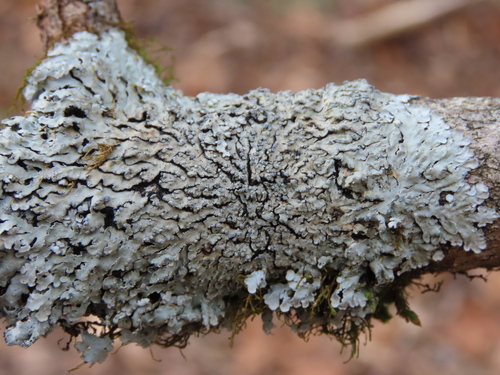
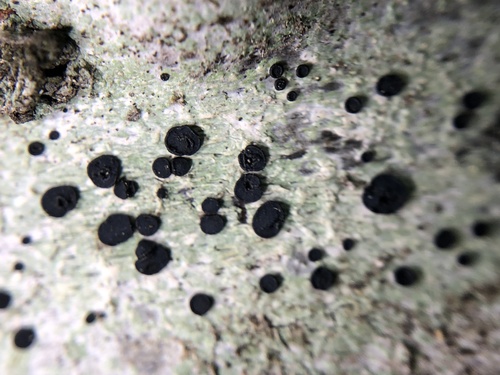
How to Identify Caliciaceae

Caliciaceae is a fungus family in the Fungi kingdom, order Caliciales, class Lecanoromycetes. The family contains 18 accepted species worldwide.

Key Identification Features

For instant identification in the field, use the iNature app — AI-powered, works offline.
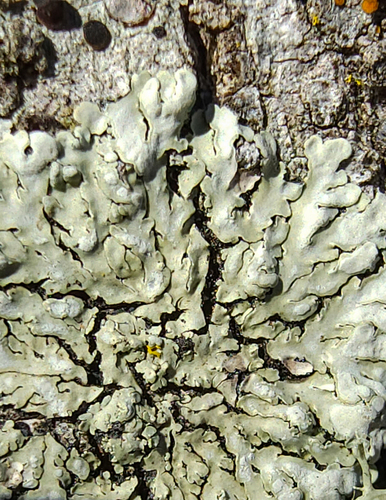
Representative Caliciaceae Species

How to identify Pyxine subcinerea Stirt.

Pyxine subcinerea Stirt.

Pyxine subcinerea Stirt.

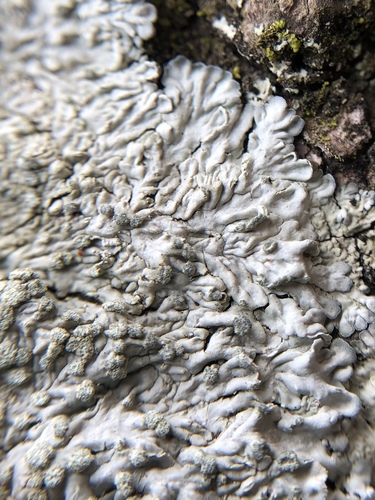
Pyxine subcinerea is a mostly pantropical lichen that has been investigated for …

How to identify Pseudothelomma occidentale (Herre) M.Prieto & Wedin

Pseudothelomma occidentale (Herre) M.Prieto & Wedin

Pseudothelomma occidentale (Herre) M.Prieto & Wedin

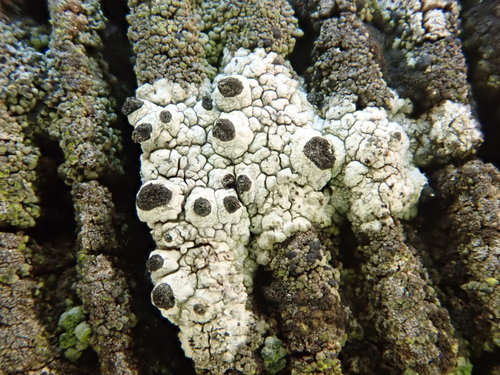
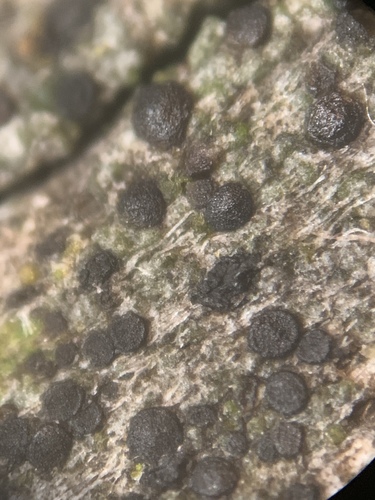
Pseudothelomma occidentale is a species of bark-dwelling crustose lichen in the …

How to identify Diploicia canescens (Dicks.) A.Massal.

Diploicia canescens (Dicks.) A.Massal.

Diploicia canescens (Dicks.) A.Massal.

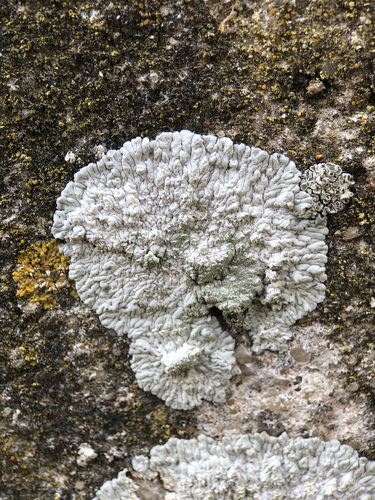
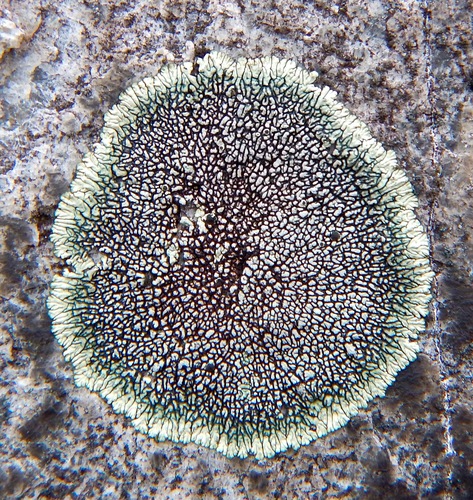
Diploicia canescens is a widespread placodioid crustose lichen that grows on har…

How to identify Texosporium sancti-jacobi (Tuck.) Nádv. ex Tibell & Hofsten

Texosporium sancti-jacobi (Tuck.) Nádv. ex Tibell & Hofsten

Texosporium sancti-jacobi (Tuck.) Nádv. ex Tibell & Hofsten

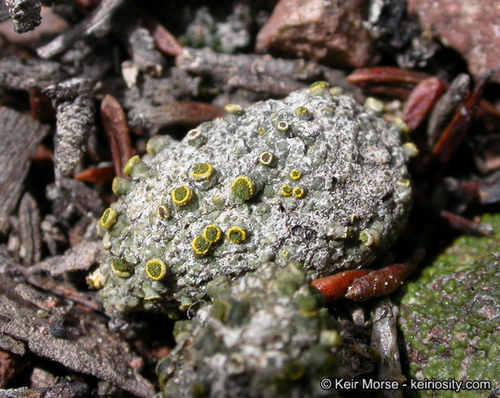
Texosporium is a monotypic genus of lichenized fungi in Caliciaceae, with its on…

How to identify Calicium glaucellum Ach.

Calicium glaucellum Ach.

Calicium glaucellum Ach.

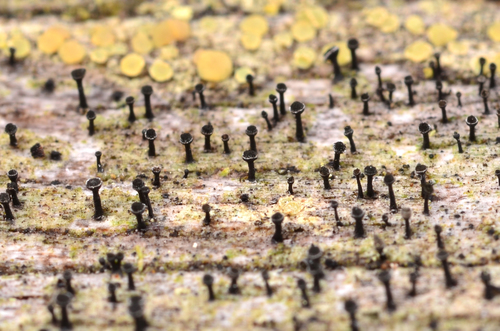
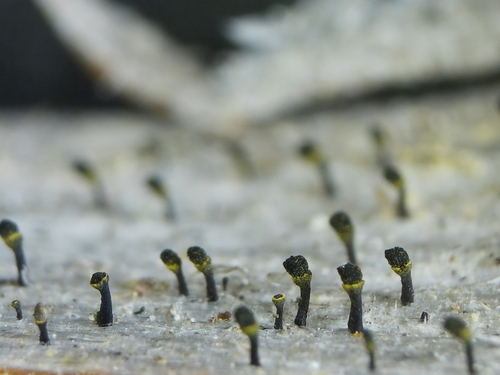
Calicium glaucellum Ach. is a lichen that grows mostly on wood and occurs across…

How to identify Dirinaria frostii (Tuck.) Hale & W.L.Culb.

Dirinaria frostii (Tuck.) Hale & W.L.Culb.

Dirinaria frostii (Tuck.) Hale & W.L.Culb.

Dirinaria frostii is a foliose lichen that grows mostly on shaded rocks in parts…

How to identify Amandinea punctata (Hoffm.) Coppins & Scheid.

Amandinea punctata (Hoffm.) Coppins & Scheid.

Amandinea punctata (Hoffm.) Coppins & Scheid.

Amandinea punctata, or tiny button lichen, is a widely distributed, pollution-to…

How to identify Dimelaena oreina (Ach.) Norman

Dimelaena oreina (Ach.) Norman

Dimelaena oreina (Ach.) Norman

Dimelaena oreina (golden moonglow lichen) is a greenish yellow placodioid lichen…

How to identify Calicium trabinellum (Ach.) Ach.

Calicium trabinellum (Ach.) Ach.

Calicium trabinellum (Ach.) Ach.

Calicium trabinellum, the yellow-collar stubble lichen, is a widespread pin lich…

How to identify Dirinaria applanata (Fée) D.D.Awasthi

Dirinaria applanata (Fée) D.D.Awasthi

Dirinaria applanata (Fée) D.D.Awasthi

Dirinaria applanata is a widely distributed bark-dwelling foliose lichen from th…

How to identify Pyxine sorediata (Ach.) Mont.

Pyxine sorediata (Ach.) Mont.

Pyxine sorediata (Ach.) Mont.

Pyxine sorediata is the largest Pyxine lichen species, found across multiple con…

How to identify Buellia erubescens Arnold

Buellia erubescens Arnold

Buellia erubescens Arnold

Buellia erubescens, the common button lichen, is a widely distributed Buellia li…

Browse all 18 Caliciaceae species →

Frequently Asked Questions

How do you identify Caliciaceae?

Caliciaceae funguss belong to the Caliciales order in the Fungi kingdom. Distinct pseudocyphellae are present on the margins of the lobes, and soralia develop near lobe margins. For instant identification, use the iNature app — AI-powered and works offline.

What are the key characteristics of Caliciaceae?

Caliciaceae is classified in the order Caliciales, class Lecanoromycetes, phylum Ascomycota. 06 in) wide and have an indistinct internal stipe.

Sources: GBIF, iNaturalist, Wikipedia · Disclaimer

Start Exploring Nature Today

Download iNature for free. 10 identifications on us. No account needed. No credit card required.

Download Free on App Store