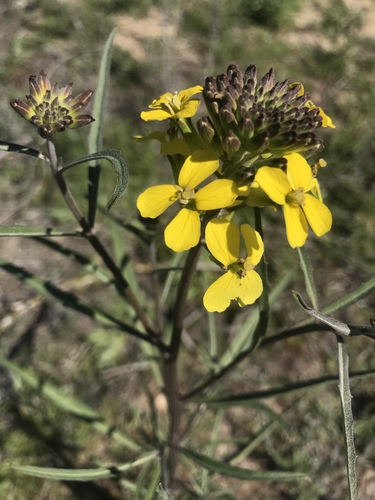
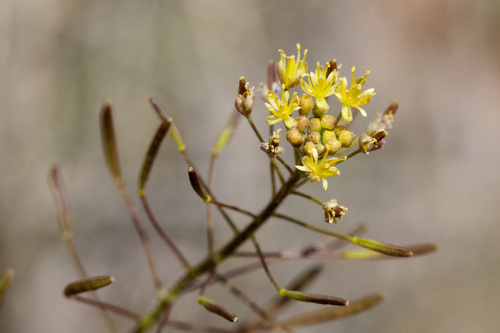
How to Identify Brassicaceae — Mustard Family

Brassicaceae (Mustard Family) is a plant family in the Plantae kingdom, order Brassicales, class Magnoliopsida. The family contains 541 accepted species worldwide. Some species in this family are toxic — exercise caution when handling unknown specimens.

Key Identification Features

For instant identification in the field, use the iNature app — AI-powered, works offline.
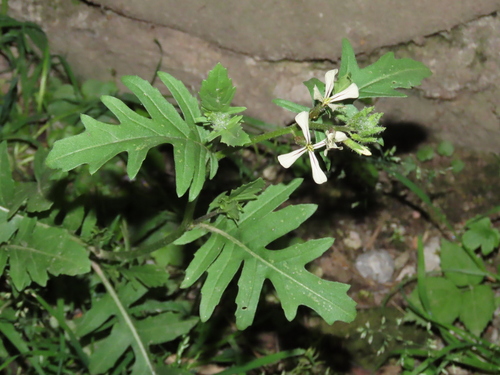
Representative Brassicaceae Species

How to identify Eruca vesicaria (L.) Cav.

Eruca vesicaria (L.) Cav.

Eruca vesicaria (L.) Cav.

Eruca vesicaria is a distinct Eruca species native to western Mediterranean Nort…

How to identify Rapistrum rugosum (L.) All.

Rapistrum rugosum (L.) All.

Rapistrum rugosum (L.) All.

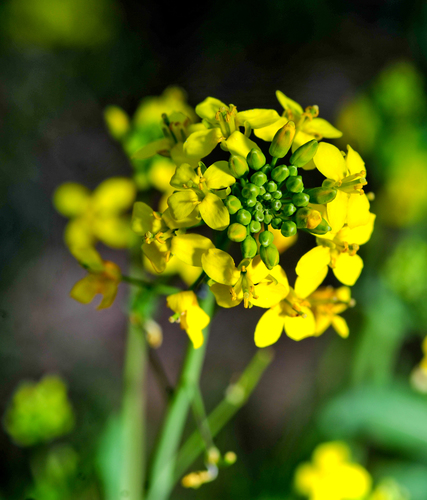
Rapistrum rugosum is an invasive annual mustard-family herb native to Eurasia an…

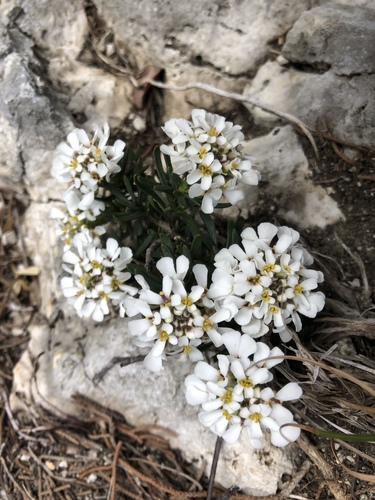
How to identify Iberis saxatilis L.

Iberis saxatilis L.

Iberis saxatilis L.

Iberis saxatilis L., or rock candytuft, is a low alpine perennial grown in rocky…

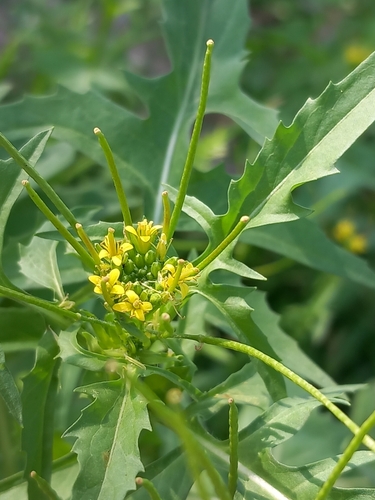
How to identify Sisymbrium irio L.

Sisymbrium irio L.

Sisymbrium irio L.

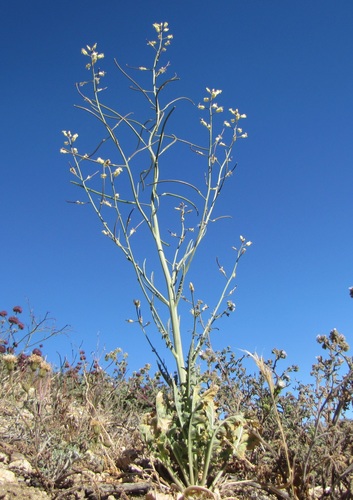
Sisymbrium irio L., London rocket, is a variable winter annual herb, native to t…

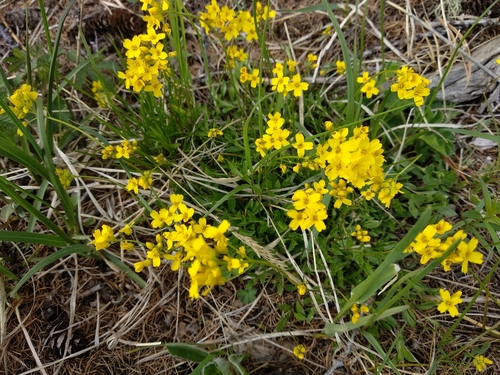
How to identify Draba sibirica (Pall.) Thell.

Draba sibirica (Pall.) Thell.

Draba sibirica (Pall.) Thell.

Draba sibirica is a flowering plant in Brassicaceae native from Greenland and Ea…

How to identify Streptanthus hallii (Payson) Jeps.

Streptanthus hallii (Payson) Jeps.

Streptanthus hallii (Payson) Jeps.

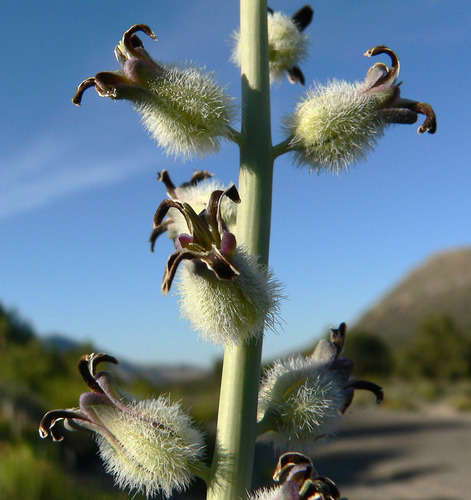
Caulanthus hallii is an annual herb native to dry regions of southern California…

How to identify Barbarea verna (Mill.) Asch.

Barbarea verna (Mill.) Asch.

Barbarea verna (Mill.) Asch.

Barbarea verna, or land cress, is an edible hardy Brassicaceae herb grown as a w…

How to identify Physaria purpurea (A.Gray) O'Kane & Al-Shehbaz

Physaria purpurea (A.Gray) O'Kane & Al-Shehbaz

Physaria purpurea (A.Gray) O'Kane & Al-Shehbaz

Physaria purpurea (western white bladderpod or rose bladderpod) is a perennial B…

How to identify Streptanthus crassicaulis Torr.

Streptanthus crassicaulis Torr.

Streptanthus crassicaulis Torr.

Caulanthus crassicaulis, or thickstem wild cabbage, is a Brassicaceae perennial …

How to identify Aethionema saxatile (L.) R.Br.

Aethionema saxatile (L.) R.Br.

Aethionema saxatile (L.) R.Br.

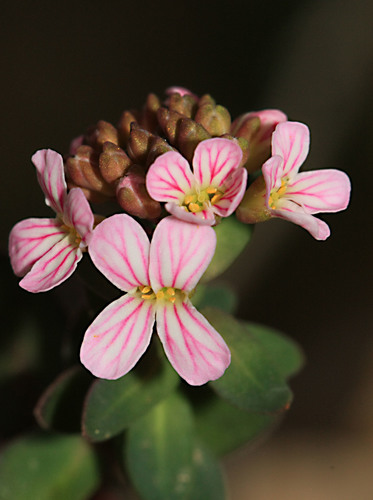
Burnt candytuft (Aethionema saxatile) is a flowering Brassicaceae species found …

How to identify Erysimum ammophilum A.Heller

Erysimum ammophilum A.Heller

Erysimum ammophilum A.Heller

Erysimum ammophilum is a biennial or perennial mustard relative that produces br…

How to identify Descurainia pinnata (Walter) Britton

Descurainia pinnata (Walter) Britton

Descurainia pinnata (Walter) Britton

Descurainia pinnata, common tansymustard, is a variable weedy annual mustard nat…

⚠️ Poisonous
Browse all 541 Brassicaceae species →

Frequently Asked Questions

How do you identify Brassicaceae?

Brassicaceae plants belong to the Brassicales order in the Plantae kingdom. However, the two taxa differ in many morphological features, including sepal persistence, silique shape, and growth habit. For instant identification, use the iNature app — AI-powered and works offline.

What are the key characteristics of Brassicaceae?

Brassicaceae is classified in the order Brassicales, class Magnoliopsida, phylum Tracheophyta. sativa as two separate, distinct species.

⚠️ Are any Brassicaceae species poisonous?

Yes, some Brassicaceae species are toxic or poisonous. Always exercise caution with unknown specimens. View poisonous Brassicaceae species or browse the full poisonous species guide.

Sources: GBIF, iNaturalist, Wikipedia · Disclaimer

Start Exploring Nature Today

Download iNature for free. 10 identifications on us. No account needed. No credit card required.

Download Free on App Store