How to Identify Brachytheciaceae

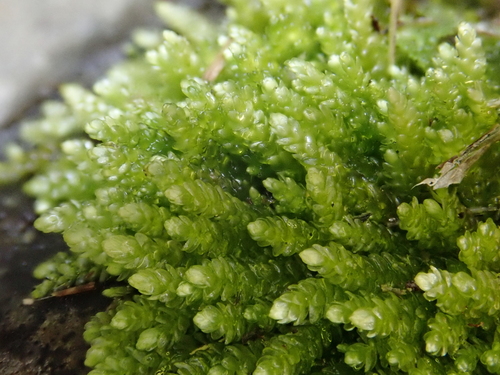
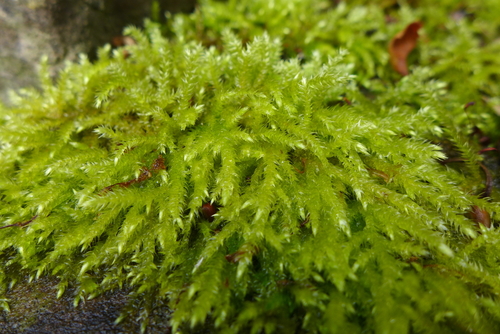
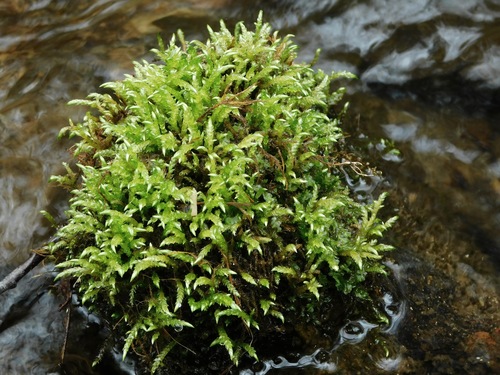
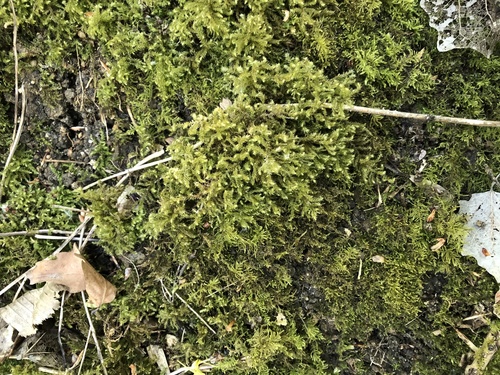
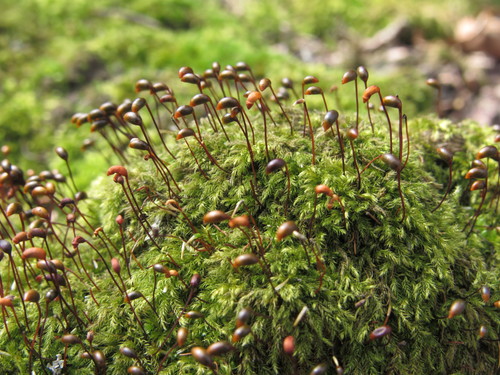
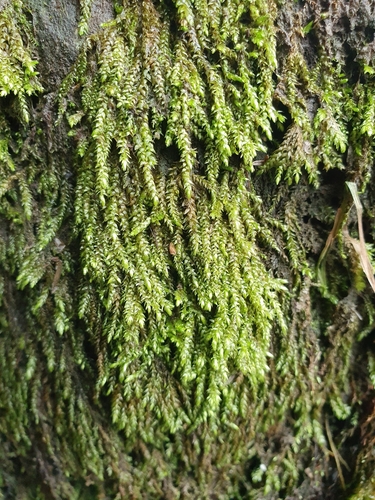
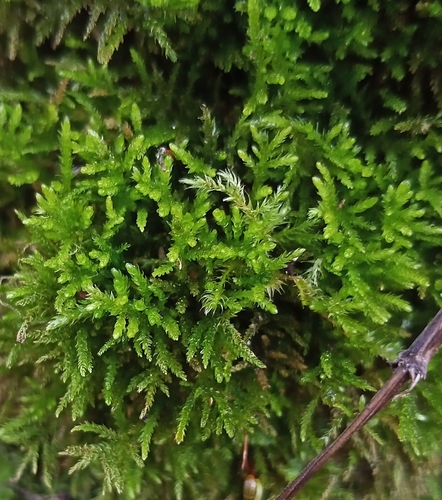
Brachytheciaceae is a plant family in the Plantae kingdom, order Hypnales, class Bryopsida. The family contains 29 accepted species worldwide.

Key Identification Features

For instant identification in the field, use the iNature app — AI-powered, works offline.
Representative Brachytheciaceae Species

How to identify Brachythecium albicans (Hedw.) Schimp.

Brachythecium albicans (Hedw.) Schimp.

Brachythecium albicans (Hedw.) Schimp.

Jelenc (1955 a) stated that, per Cardot, the identification of the “La Bouzaréa”…

How to identify Rhynchostegium murale (Hedw.) Schimp.

Rhynchostegium murale (Hedw.) Schimp.

Rhynchostegium murale (Hedw.) Schimp.

Rhynchostegium murale is a moss in the Brachytheciaceae family native to Europe …

How to identify Brachythecium rutabulum (Hedw.) Schimp.

Brachythecium rutabulum (Hedw.) Schimp.

Brachythecium rutabulum (Hedw.) Schimp.

Brachythecium rutabulum (Hedw.) Schimp. has been recorded in various locations i…

How to identify Brachythecium rivulare Schimp.

Brachythecium rivulare Schimp.

Brachythecium rivulare Schimp.

Brachythecium rivulare Schimp. was reported by Feldmann et al. in Kabylie de Col…

How to identify Eurhynchium striatum (Schreb. ex Hedw.) Schimp.

Eurhynchium striatum (Schreb. ex Hedw.) Schimp.

Eurhynchium striatum (Schreb. ex Hedw.) Schimp.

Eurhynchium striatum is a European native moss species in the plant family Brach…

How to identify Brachythecium salebrosum (Hoffm. ex F.Weber & D.Mohr) Schimp.

Brachythecium salebrosum (Hoffm. ex F.Weber & D.Mohr) Schimp.

Brachythecium salebrosum (Hoffm. ex F.Weber & D.Mohr) Schimp.

Brachythecium salebrosum is a widely distributed moss that can grow using artifi…

How to identify Homalothecium sericeum (Hedw.) Schimp.

Homalothecium sericeum (Hedw.) Schimp.

Homalothecium sericeum (Hedw.) Schimp.

Homalothecium sericeum is an almost cosmopolitan moss species in the family Brac…

How to identify Pseudoscleropodium purum (Hedw.) M.Fleisch.

Pseudoscleropodium purum (Hedw.) M.Fleisch.

Pseudoscleropodium purum (Hedw.) M.Fleisch.

Pseudoscleropodium purum is a European moss that grows as a lawn weed in many no…

How to identify Kindbergia praelonga (Hedw.) Ochyra

Kindbergia praelonga (Hedw.) Ochyra

Kindbergia praelonga (Hedw.) Ochyra

Kindbergia praelonga (common feather-moss) is a widespread, common moss with pot…

How to identify Brachytheciastrum velutinum (Hedw.) Ignatov & Huttunen

Brachytheciastrum velutinum (Hedw.) Ignatov & Huttunen

Brachytheciastrum velutinum (Hedw.) Ignatov & Huttunen

Brachytheciastrum velutinum has been recorded in multiple locations in Algeria s…

How to identify Rhynchostegium riparioides (Hedw.) Cardot

Rhynchostegium riparioides (Hedw.) Cardot

Rhynchostegium riparioides (Hedw.) Cardot

Rhynchostegium riparioides is a large Northern Hemisphere aquatic moss common in…

How to identify Eurhynchiastrum pulchellum (Hedw.) Ignatov & Huttunen

Eurhynchiastrum pulchellum (Hedw.) Ignatov & Huttunen

Eurhynchiastrum pulchellum (Hedw.) Ignatov & Huttunen

Eurhynchiastrum pulchellum is the only moss species of genus Eurhynchiastrum, fo…

Browse all 29 Brachytheciaceae species →

Frequently Asked Questions

How do you identify Brachytheciaceae?

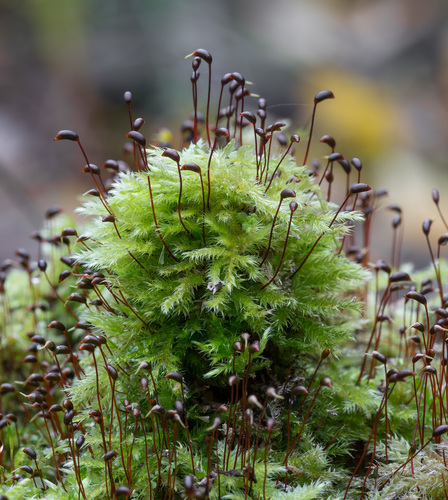
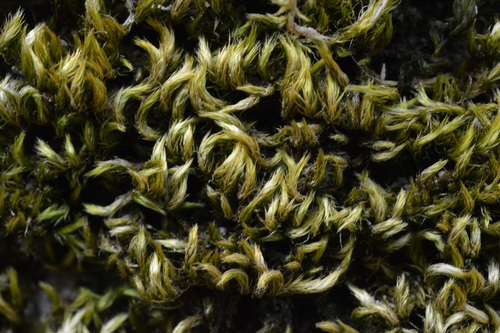
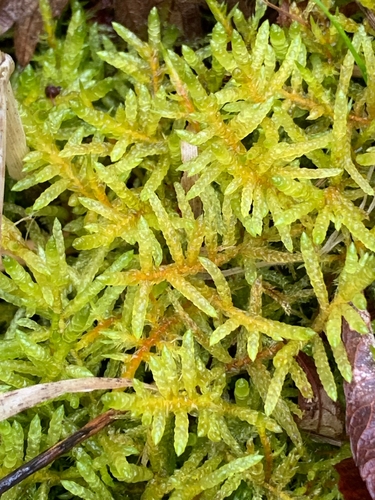
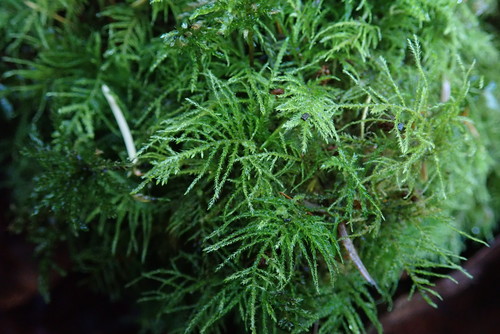
Brachytheciaceae plants belong to the Hypnales order in the Plantae kingdom. Its leaves range from yellow-green to dark green, are broadly ovate, are distinctly recurved at the tip, and have a single costa that extends to the middle of the leaf. For instant identification, use the iNature app — AI-powered and works offline.

What are the key characteristics of Brachytheciaceae?

Brachytheciaceae is classified in the order Hypnales, class Bryopsida, phylum Bryophyta. Diagnostic features for identification include its comparatively large overall size (up to 15 cm long), large leaves up to 8 mm, and elongated mid-leaf cells.

Sources: GBIF, iNaturalist, Wikipedia · Disclaimer

Start Exploring Nature Today

Download iNature for free. 10 identifications on us. No account needed. No credit card required.

Download Free on App Store