How to Identify Autostichidae

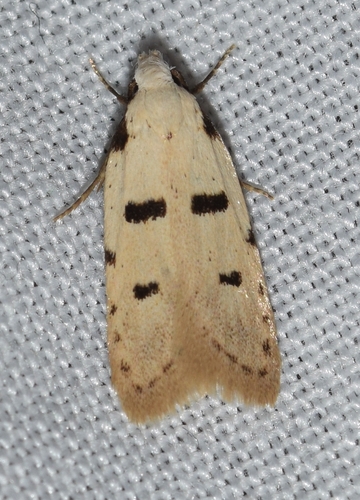
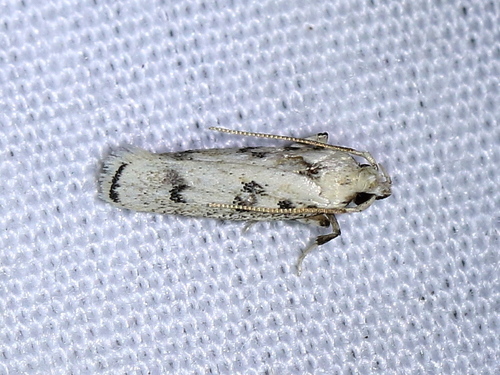
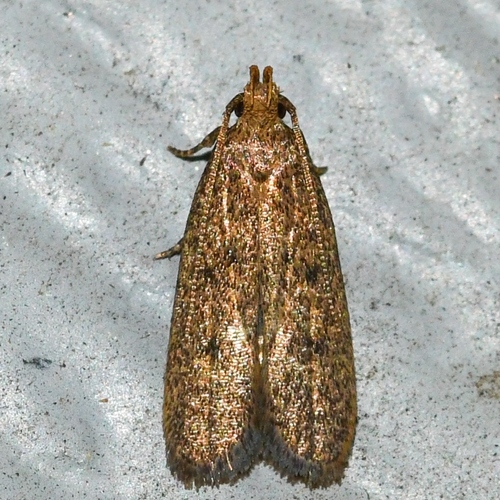
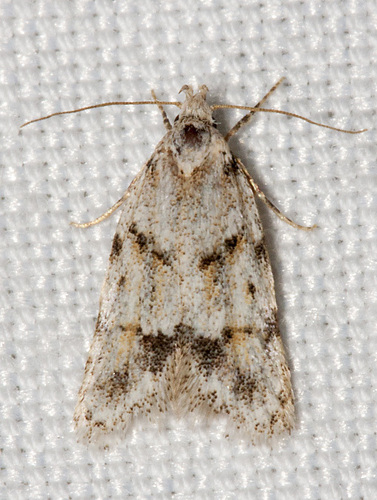
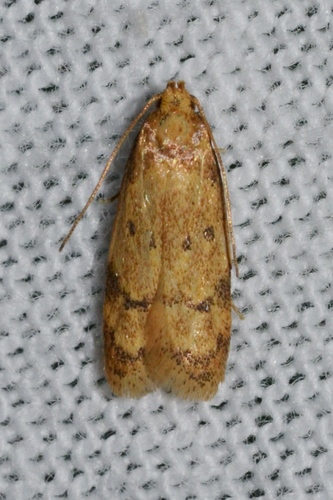
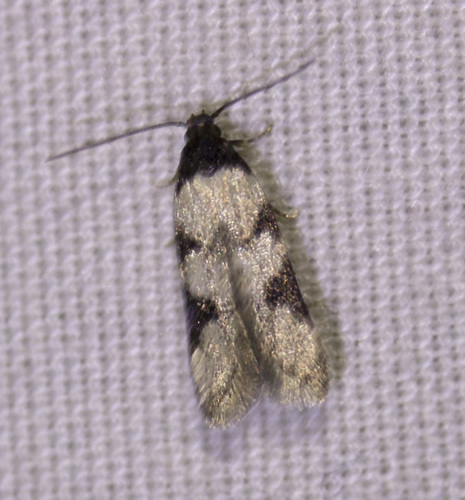
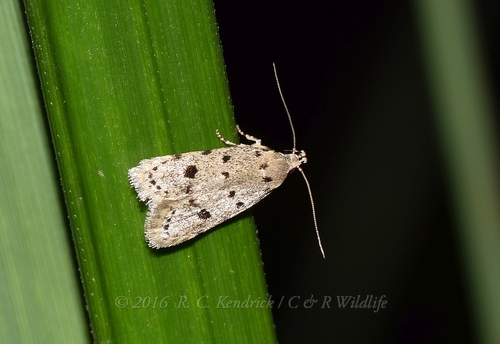
Autostichidae is a animal family in the Animalia kingdom, order Lepidoptera, class Insecta. The family contains 16 accepted species worldwide.

Key Identification Features

For instant identification in the field, use the iNature app — AI-powered, works offline.
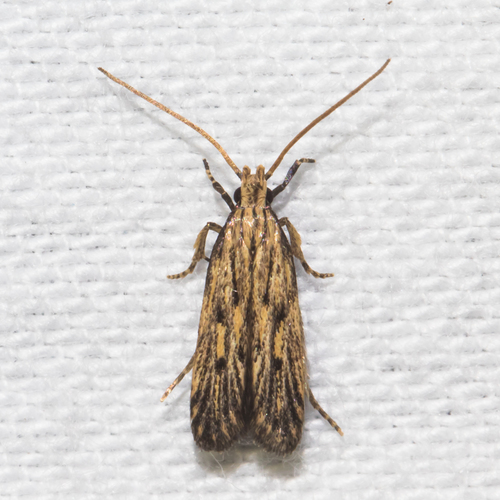
Representative Autostichidae Species

How to identify Spinitibia hodgesi

Spinitibia hodgesi

Spinitibia hodgesi

Spinitibia hodgesi is the only species in the Spinitibia moth genus (Autostichid…

How to identify Glyphidocera democratica Meyrick, 1929

Glyphidocera democratica Meyrick, 1929

Glyphidocera democratica Meyrick, 1929

Glyphidocera democratica is a 16–18 mm wingspan Autostichidae moth described in …

How to identify Stoeberhinus testaceus Butler, 1881

Stoeberhinus testaceus Butler, 1881

Stoeberhinus testaceus Butler, 1881

Stoeberhinus testaceus, the potato moth, is a small widespread gelechioid moth f…

How to identify Oegoconia quadripuncta Haworth, 1829

Oegoconia quadripuncta Haworth, 1829

Oegoconia quadripuncta Haworth, 1829

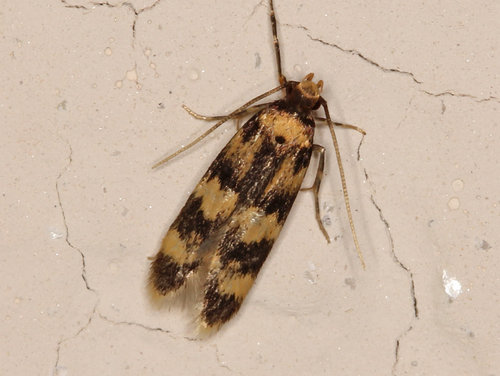
Oegoconia quadripuncta, the four-spotted yellowneck moth, is a nocturnal moth wi…

How to identify Taygete attributella (Walker, 1864)

Taygete attributella (Walker, 1864)

Taygete attributella (Walker, 1864)

Taygete attributella is an Autostichidae moth species found in multiple location…

How to identify Stibaromacha ratella (Herrich-Schäffer, 1855)

Stibaromacha ratella (Herrich-Schäffer, 1855)

Stibaromacha ratella (Herrich-Schäffer, 1855)

Stibaromacha ratella is an Autostichidae moth recorded in parts of Europe, North…

How to identify Glyphidocera lactiflosella (Chambers, 1878)

Glyphidocera lactiflosella (Chambers, 1878)

Glyphidocera lactiflosella (Chambers, 1878)

Glyphidocera lactiflosella is a North American moth in the Autostichidae family,…

How to identify Glyphidocera juniperella

Glyphidocera juniperella

Glyphidocera juniperella

Glyphidocera juniperella, the juniper tip moth, is an Autostichidae moth found i…

How to identify Symmoca signatella Herrich-Schäffer, 1854

Symmoca signatella Herrich-Schäffer, 1854

Symmoca signatella Herrich-Schäffer, 1854

Symmoca signatella is an Autostichidae moth found across parts of Eurasia and Ca…

How to identify Gerdana caritella Busck, 1908

Gerdana caritella Busck, 1908

Gerdana caritella Busck, 1908

Gerdana caritella is the only species in the Gerdana moth genus, found in easter…

How to identify Taygete decemmaculella (Chambers, 1875)

Taygete decemmaculella (Chambers, 1875)

Taygete decemmaculella (Chambers, 1875)

Taygete decemmaculella is a 15–17 mm wingspan Autostichidae moth described in 18…

How to identify Autosticha calceata Meyrick, 1908

Autosticha calceata Meyrick, 1908

Autosticha calceata Meyrick, 1908

Autosticha calceata is an Autostichidae moth described in 1908 by Meyrick, found…

Browse all 16 Autostichidae species →

Frequently Asked Questions

How do you identify Autostichidae?

Autostichidae animals belong to the Lepidoptera order in the Animalia kingdom. Each forewing has two light yellow spots or bands, and the pronotum region is also light yellow — this distinct pattern gives the species its common name "four-spotted yellowneck". For instant identification, use the iNature app — AI-powered and works offline.

What are the key characteristics of Autostichidae?

Autostichidae is classified in the order Lepidoptera, class Insecta, phylum Arthropoda. A transverse brown streak runs at the end of the discal cell, and a distinct brown line curves around the base of the apical cilia.

Sources: GBIF, iNaturalist, Wikipedia · Disclaimer

Start Exploring Nature Today

Download iNature for free. 10 identifications on us. No account needed. No credit card required.

Download Free on App Store