How to Identify Asteriidae

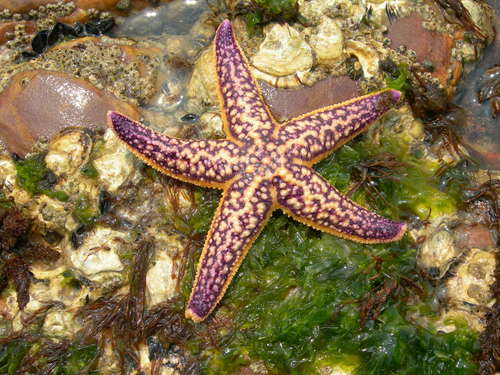
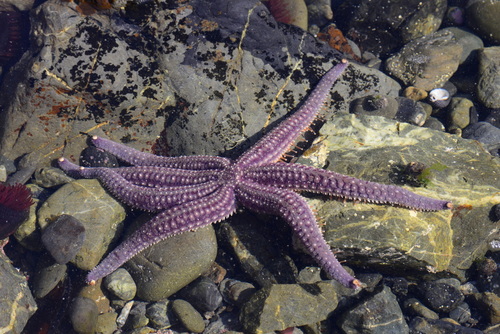
Asteriidae is a animal family in the Animalia kingdom, order Forcipulatida, class Asteroidea. The family contains 20 accepted species worldwide.

Key Identification Features

For instant identification in the field, use the iNature app — AI-powered, works offline.
Representative Asteriidae Species

How to identify Astrometis sertulifera (Xantus, 1860)

Astrometis sertulifera (Xantus, 1860)

Astrometis sertulifera (Xantus, 1860)

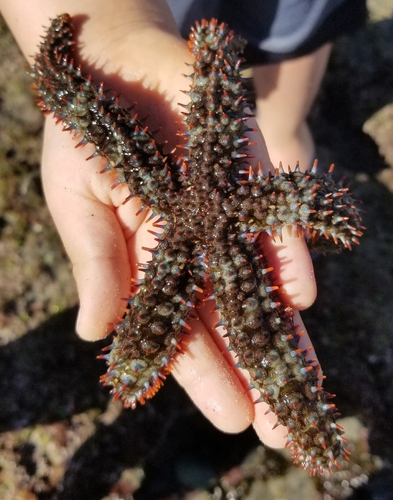
Astrometis sertulifera, the fragile rainbow star, is the only species in the mon…

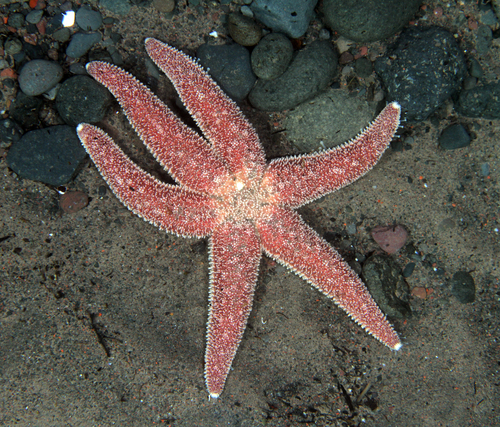
How to identify Leptasterias hexactis (Stimpson, 1862)

Leptasterias hexactis (Stimpson, 1862)

Leptasterias hexactis (Stimpson, 1862)

Leptasterias hexactis is a small six-armed brooding starfish native to the north…

How to identify Leptasterias polaris (Müller & Troschel, 1842)

Leptasterias polaris (Müller & Troschel, 1842)

Leptasterias polaris (Müller & Troschel, 1842)

Leptasterias polaris is a small six-armed starfish found across north Atlantic a…

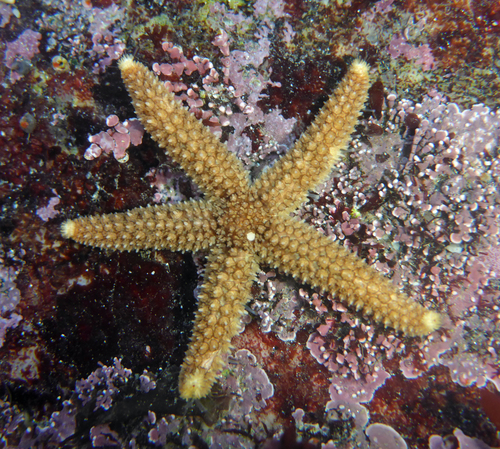
How to identify Coscinasterias tenuispina (Lamarck, 1816)

Coscinasterias tenuispina (Lamarck, 1816)

Coscinasterias tenuispina (Lamarck, 1816)

Coscinasterias tenuispina is a multi-armed starfish found in the Atlantic and Me…

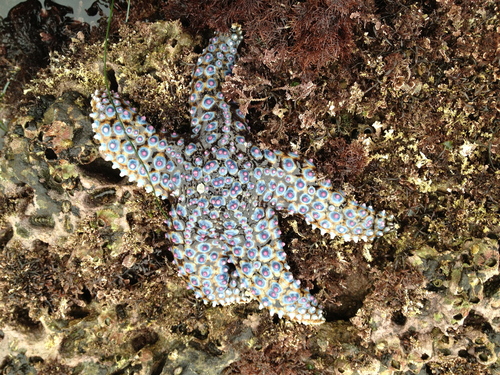
How to identify Stylasterias forreri (deLoriol, 1887)

Stylasterias forreri (deLoriol, 1887)

Stylasterias forreri (deLoriol, 1887)

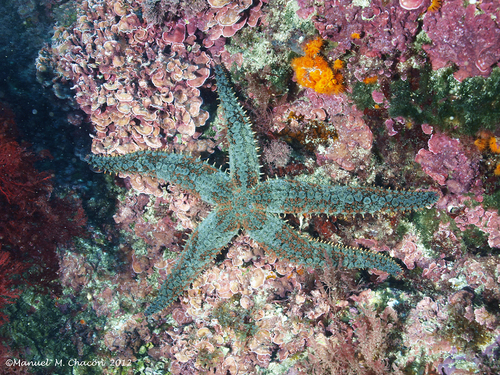
Stylasterias forreri, the sticky velcro star, is an uncommon large starfish foun…

How to identify Pisaster giganteus (Stimpson, 1857)

Pisaster giganteus (Stimpson, 1857)

Pisaster giganteus (Stimpson, 1857)

Pisaster giganteus, the giant sea star, is a large sea star with defined physica…

How to identify Pycnopodia helianthoides (Brandt, 1835)

Pycnopodia helianthoides (Brandt, 1835)

Pycnopodia helianthoides (Brandt, 1835)

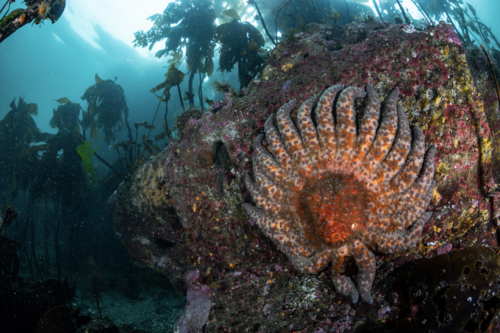
Pycnopodia helianthoides, the sunflower sea star, is a large critically endanger…

How to identify Asterias amurensis Lutken, 1871

Asterias amurensis Lutken, 1871

Asterias amurensis Lutken, 1871

Asterias amurensis is a five-armed sea star with distinct upturned arm tips, use…

How to identify Meyenaster gelatinosus (Meyen, 1834)

Meyenaster gelatinosus (Meyen, 1834)

Meyenaster gelatinosus (Meyen, 1834)

Meyenaster gelatinosus is a six-armed white predatory starfish native to the coa…

How to identify Marthasterias glacialis (Linnaeus, 1758)

Marthasterias glacialis (Linnaeus, 1758)

Marthasterias glacialis (Linnaeus, 1758)

Marthasterias glacialis, the spiny starfish, is a large predatory Atlantic starf…

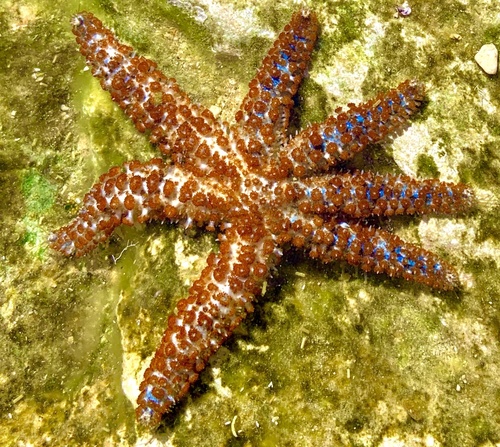
How to identify Astrostole scabra (Hutton, 1872)

Astrostole scabra (Hutton, 1872)

Astrostole scabra (Hutton, 1872)

Astrostole scabra is a seven-armed New Zealand seastar that lives intertidally a…

How to identify Asterias forbesi (Desor, 1848)

Asterias forbesi (Desor, 1848)

Asterias forbesi (Desor, 1848)

Asterias forbesi is a North Atlantic rocky intertidal starfish that differs from…

Browse all 20 Asteriidae species →

Frequently Asked Questions

How do you identify Asteriidae?

Asteriidae animals belong to the Forcipulatida order in the Animalia kingdom. 0 inches), and typically has 6 short, broad arms. For instant identification, use the iNature app — AI-powered and works offline.

What are the key characteristics of Asteriidae?

Asteriidae is classified in the order Forcipulatida, class Asteroidea, phylum Echinodermata. A central row of spines running along each arm is a distinctive feature of this species.

Sources: GBIF, iNaturalist, Wikipedia · Disclaimer

Start Exploring Nature Today

Download iNature for free. 10 identifications on us. No account needed. No credit card required.

Download Free on App Store