How to Identify Asteraceae — Daisy Family

Asteraceae (Daisy Family) is a plant family in the Plantae kingdom, order Asterales, class Magnoliopsida. The family contains 3,760 accepted species worldwide. Some species in this family are toxic — exercise caution when handling unknown specimens.

Key Identification Features

For instant identification in the field, use the iNature app — AI-powered, works offline.
Representative Asteraceae Species

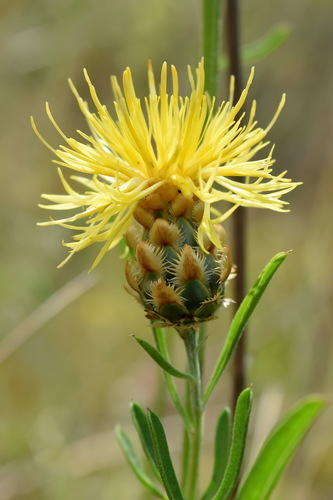
How to identify Centaurea orientalis L.

Centaurea orientalis L.

Centaurea orientalis L.

The original material of Centaurea orientalis L. consists of Herb. Linn. No. 103…

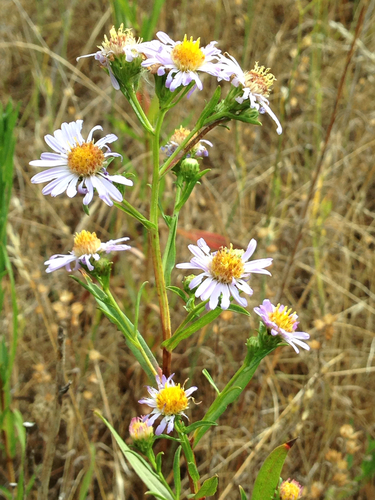
How to identify Symphyotrichum chilense (Nees) G.L.Nesom

Symphyotrichum chilense (Nees) G.L.Nesom

Symphyotrichum chilense (Nees) G.L.Nesom

Symphyotrichum chilense, or Pacific aster, is a perennial herb native to the wes…

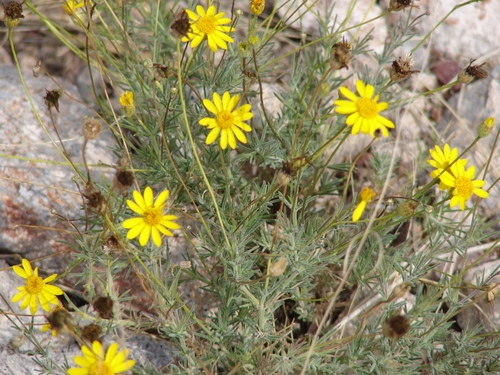
How to identify Thymophylla pentachaeta (DC.) Small

Thymophylla pentachaeta (DC.) Small

Thymophylla pentachaeta (DC.) Small

Thymophylla pentachaeta is a small Asteraceae perennial or subshrub native to ar…

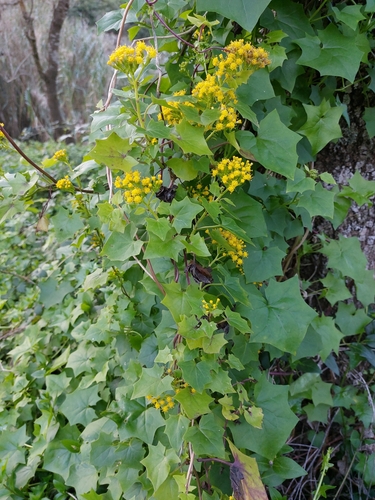
How to identify Delairea odorata Lem.

Delairea odorata Lem.

Delairea odorata Lem.

Delairea odorata Lem. is a fast-growing climbing vine native to South Africa tha…

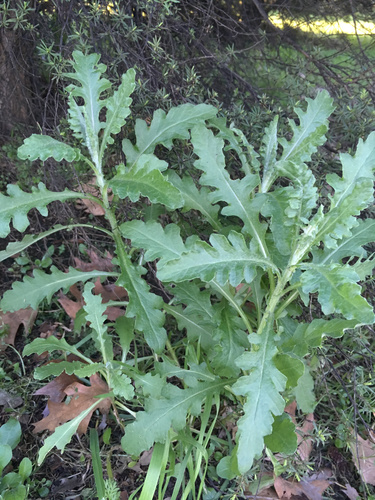
How to identify Senecio glomeratus Desf. ex Poir.

Senecio glomeratus Desf. ex Poir.

Senecio glomeratus Desf. ex Poir.

Senecio glomeratus is an annual or perennial herb that produces yellow or purple…

How to identify Parthenium hysterophorus L.

Parthenium hysterophorus L.

Parthenium hysterophorus L.

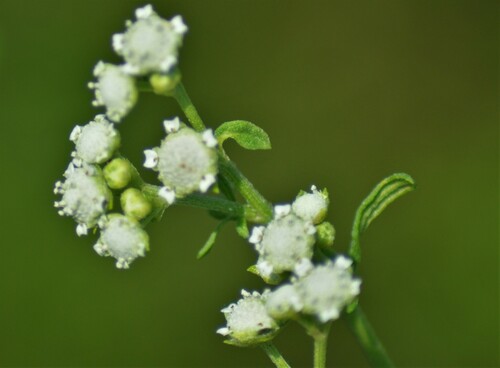
Parthenium hysterophorus is a globally widespread invasive noxious allelopathic …

How to identify Balduina uniflora Nutt.

Balduina uniflora Nutt.

Balduina uniflora Nutt.

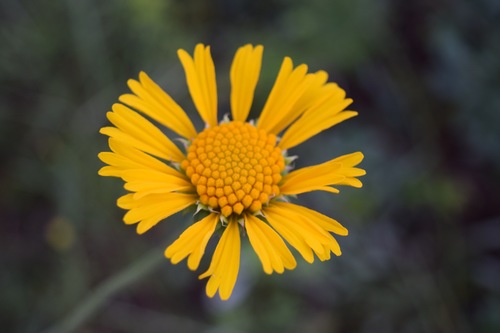
Balduina uniflora Nutt. is a perennial herbaceous aster, distinct for its traits…

How to identify Packera pseudaurea (Rydb.) W.A.Weber & Á.Löve

Packera pseudaurea (Rydb.) W.A.Weber & Á.Löve

Packera pseudaurea (Rydb.) W.A.Weber & Á.Löve

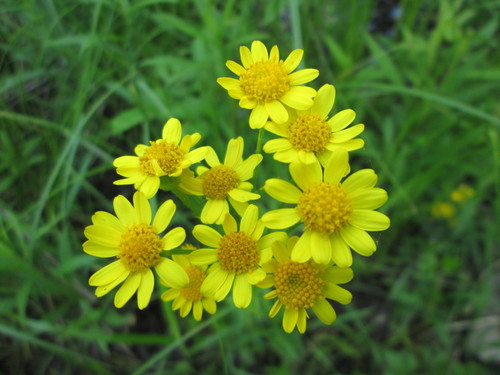
Packera pseudaurea, falsegold groundsel, is a perennial North American aster wit…

How to identify Chuquiraga spinosa D.Don

Chuquiraga spinosa D.Don

Chuquiraga spinosa D.Don

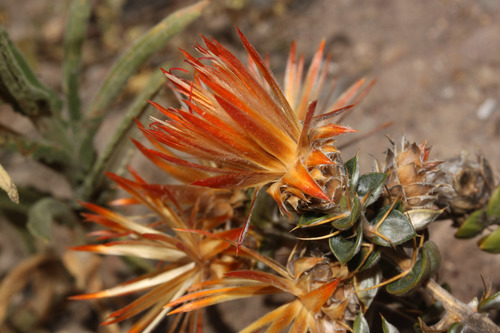
Chuquiraga spinosa D.Don is an Asteraceae flowering plant native to Peru and Bol…

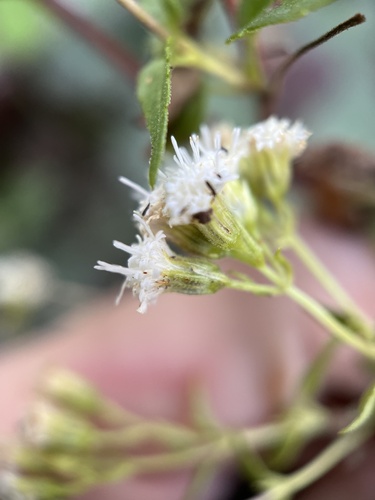
How to identify Ageratina paupercula (A.Gray) R.M.King & H.Rob.

Ageratina paupercula (A.Gray) R.M.King & H.Rob.

Ageratina paupercula (A.Gray) R.M.King & H.Rob.

Santa Rita snakeroot (Ageratina paupercula) is a North American shrub or perenni…

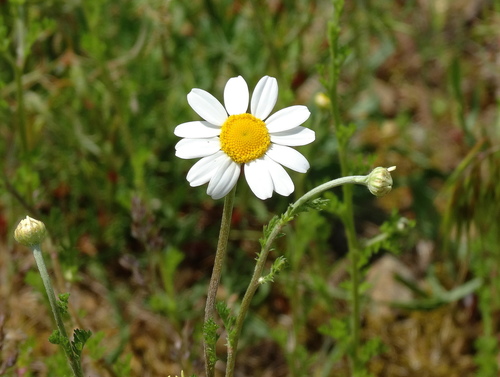
How to identify Anthemis arvensis L.

Anthemis arvensis L.

Anthemis arvensis L.

Anthemis arvensis (corn chamomile) is an ornamental flowering plant in the aster…

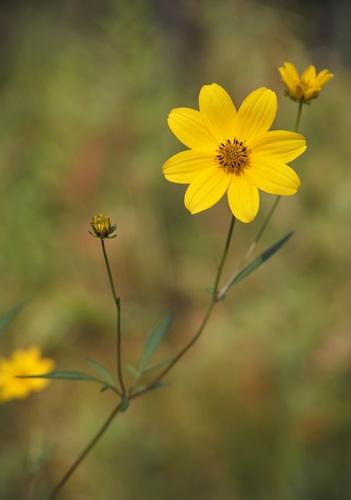
How to identify Bidens trichosperma (Michx.) Britton

Bidens trichosperma (Michx.) Britton

Bidens trichosperma (Michx.) Britton

Bidens trichosperma, marsh beggar-ticks, is an annual North American aster found…

Browse all 3,760 Asteraceae species →

Frequently Asked Questions

How do you identify Asteraceae?

Asteraceae plants belong to the Asterales order in the Plantae kingdom. Its leaves are lanceolate or linear, and feature numerous pinnate lobes. For instant identification, use the iNature app — AI-powered and works offline.

What are the key characteristics of Asteraceae?

Asteraceae is classified in the order Asterales, class Magnoliopsida, phylum Tracheophyta. It is known for its rapid, abundant reproduction, and prefers to grow in nutrient-poor habitats.

⚠️ Are any Asteraceae species poisonous?

Yes, some Asteraceae species are toxic or poisonous. Always exercise caution with unknown specimens. View poisonous Asteraceae species or browse the full poisonous species guide.

Sources: GBIF, iNaturalist, Wikipedia · Disclaimer

Start Exploring Nature Today

Download iNature for free. 10 identifications on us. No account needed. No credit card required.

Download Free on App Store