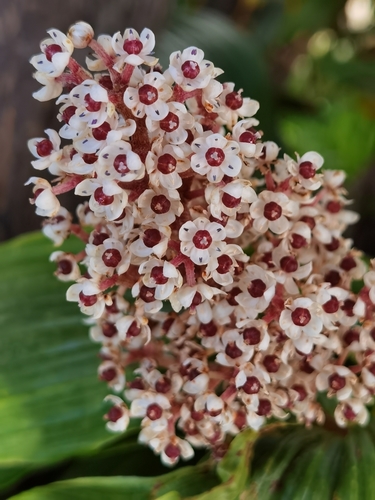
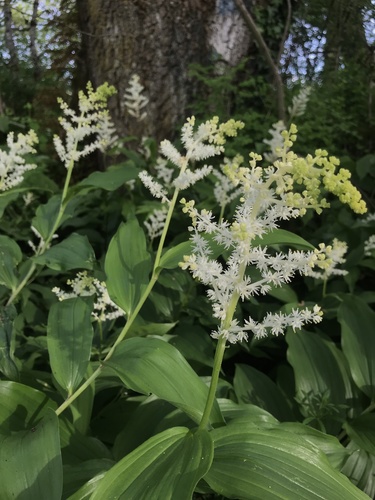
How to Identify Asparagaceae

Asparagaceae is a plant family in the Plantae kingdom, order Asparagales, class Liliopsida. The family contains 598 accepted species worldwide. Some species in this family are toxic — exercise caution when handling unknown specimens.

Key Identification Features

For instant identification in the field, use the iNature app — AI-powered, works offline.
Representative Asparagaceae Species

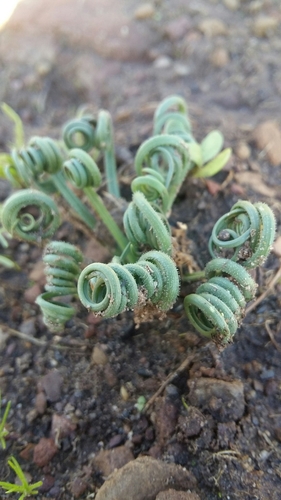
How to identify Albuca spiralis L.f.

Albuca spiralis L.f.

Albuca spiralis L.f.

Albuca spiralis L.f. is a plant with spiraled narrow leaves and sweet vanilla-sc…

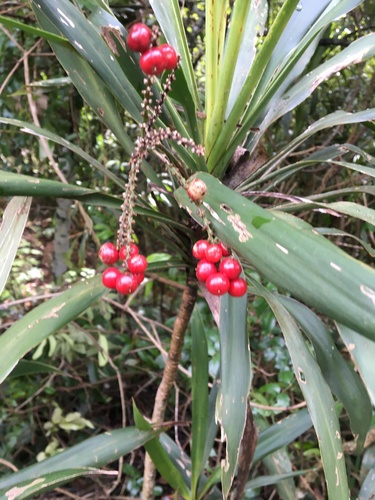
How to identify Cordyline rubra Otto & A.Dietr.

Cordyline rubra Otto & A.Dietr.

Cordyline rubra Otto & A.Dietr.

Cordyline rubra, the palm lily, is an evergreen Australian shrub adapted to cult…

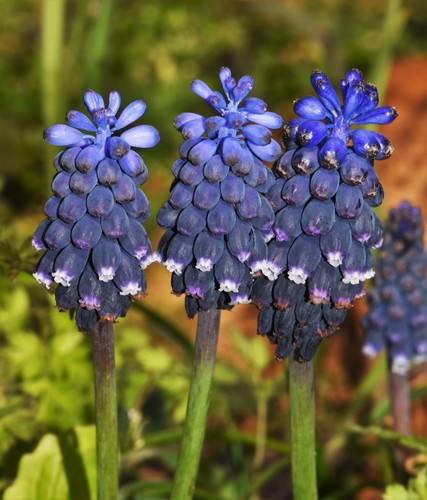
How to identify Muscari neglectum Guss. ex Ten.

Muscari neglectum Guss. ex Ten.

Muscari neglectum Guss. ex Ten.

Muscari neglectum is a cultivated bulbous herbaceous grape hyacinth native acros…

How to identify Triteleia ixioides (Dryand. ex W.T.Aiton) Greene

Triteleia ixioides (Dryand. ex W.T.Aiton) Greene

Triteleia ixioides (Dryand. ex W.T.Aiton) Greene

Triteleia ixioides is a corm-growing perennial herb native mostly to California …

How to identify Agave toumeyana Trel.

Agave toumeyana Trel.

Agave toumeyana Trel.

Agave toumeyana Trel. is a small clumping agave endemic to central Arizona, name…

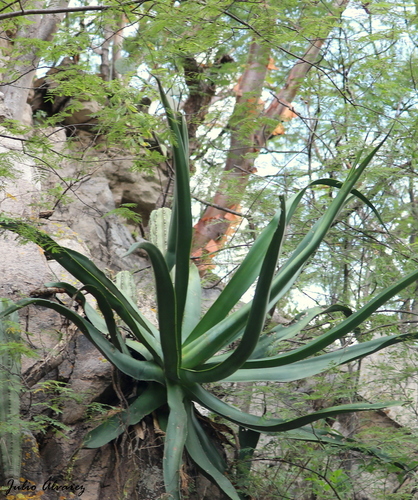
How to identify Agave vilmoriniana A.Berger

Agave vilmoriniana A.Berger

Agave vilmoriniana A.Berger

Agave vilmoriniana, the octopus agave, is a Mexican endemic agave grown ornament…

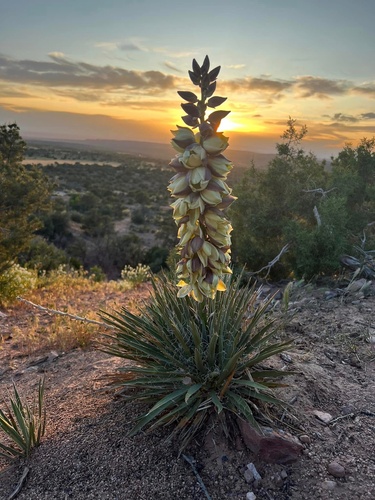
How to identify Yucca harrimaniae Trel.

Yucca harrimaniae Trel.

Yucca harrimaniae Trel.

Yucca harrimaniae Trel. is a small stemless Asparagaceae species native to the s…

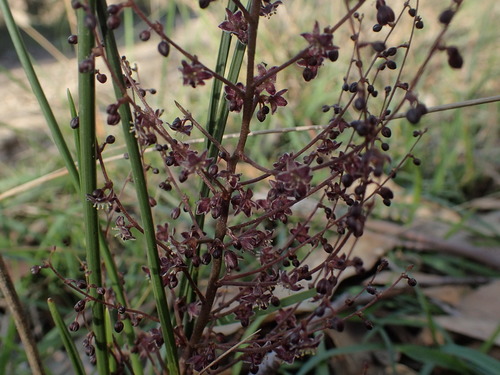
How to identify Lomandra micrantha (Endl.) Ewart

Lomandra micrantha (Endl.) Ewart

Lomandra micrantha (Endl.) Ewart

Lomandra micrantha is a dioecious tufted perennial herb that grows up to 70 cm t…

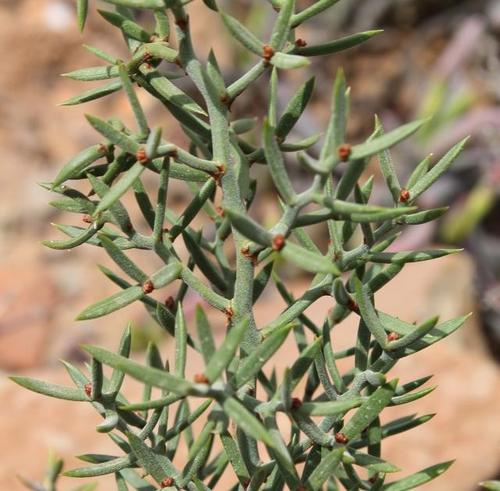
How to identify Asparagus striatus (L.f.) Thunb.

Asparagus striatus (L.f.) Thunb.

Asparagus striatus (L.f.) Thunb.

Asparagus striatus is a spineless perennial shrub endemic to South Africa that g…

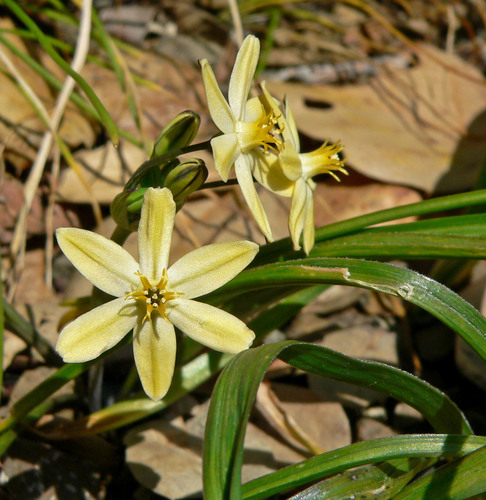
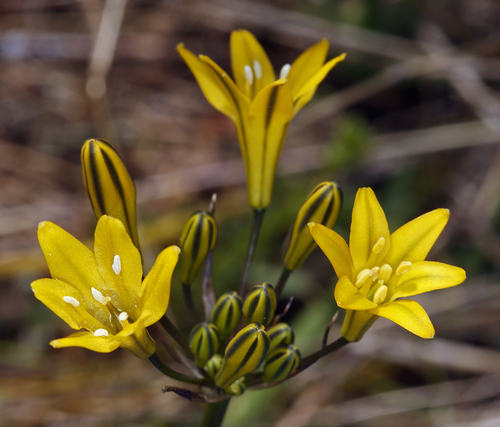
How to identify Triteleia crocea (Alph.Wood) Greene

Triteleia crocea (Alph.Wood) Greene

Triteleia crocea (Alph.Wood) Greene

Triteleia crocea is a yellow-flowered perennial corm herb native to northern Cal…

How to identify Maianthemum gigas (Woodson) LaFrankie

Maianthemum gigas (Woodson) LaFrankie

Maianthemum gigas (Woodson) LaFrankie

Maianthemum gigas is a variable herb with two varieties native to elevations fro…

How to identify Maianthemum racemosum (L.) Link

Maianthemum racemosum (L.) Link

Maianthemum racemosum (L.) Link

Maianthemum racemosum is a widespread North American woodland herbaceous perenni…

⚠️ Poisonous
Browse all 598 Asparagaceae species →

Frequently Asked Questions

How do you identify Asparagaceae?

Asparagaceae plants belong to the Asparagales order in the Plantae kingdom. Cordyline rubra is most easily identified by its leaf stems, which measure 5 to 20 cm (2–8 in) long and are flat or somewhat concave in shape. For instant identification, use the iNature app — AI-powered and works offline.

What are the key characteristics of Asparagaceae?

Asparagaceae is classified in the order Asparagales, class Liliopsida, phylum Tracheophyta. The tepals are fused into a perianth tube at their base, then separate into distinct lobes surrounding the flower’s opening.

⚠️ Are any Asparagaceae species poisonous?

Yes, some Asparagaceae species are toxic or poisonous. Always exercise caution with unknown specimens. View poisonous Asparagaceae species or browse the full poisonous species guide.

Sources: GBIF, iNaturalist, Wikipedia · Disclaimer

Start Exploring Nature Today

Download iNature for free. 10 identifications on us. No account needed. No credit card required.

Download Free on App Store