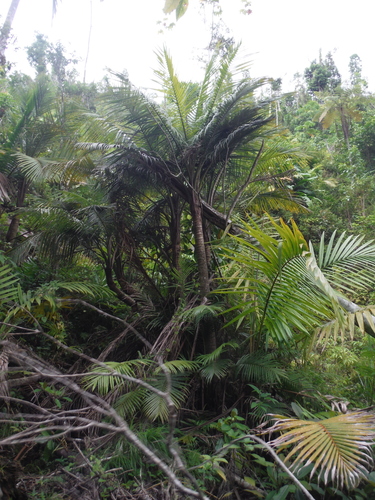
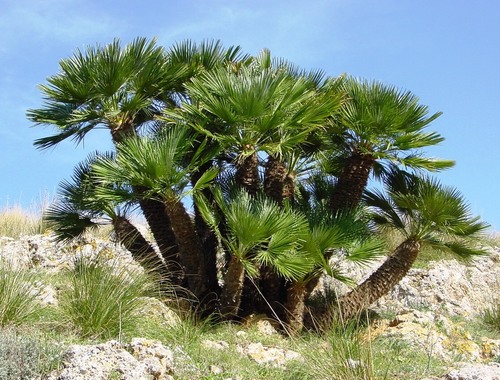
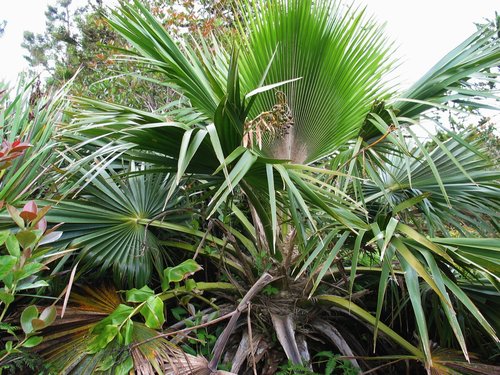
How to Identify Arecaceae

Arecaceae is a plant family in the Plantae kingdom, order Arecales, class Liliopsida. The family contains 173 accepted species worldwide. Some species in this family are toxic — exercise caution when handling unknown specimens.

Key Identification Features

For instant identification in the field, use the iNature app — AI-powered, works offline.
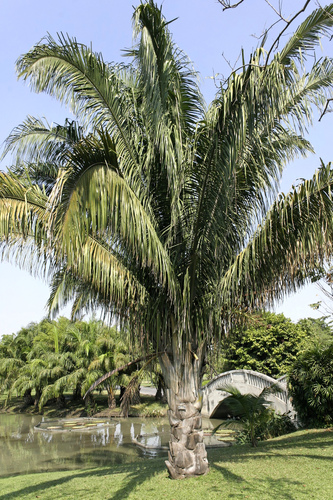
Representative Arecaceae Species

How to identify Attalea cohune Mart.

Attalea cohune Mart.

Attalea cohune Mart.

Attalea cohune, the cohune palm, is a Central American and Mexican palm used for…

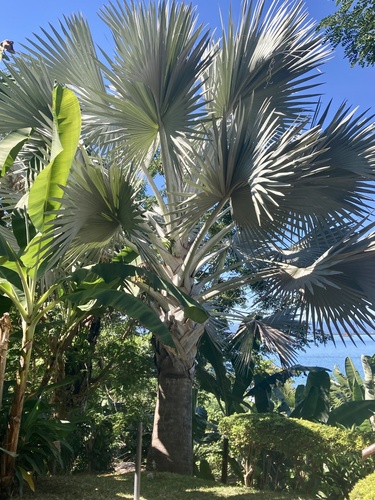
How to identify Bismarckia nobilis Hildebrandt & H.Wendl.

Bismarckia nobilis Hildebrandt & H.Wendl.

Bismarckia nobilis Hildebrandt & H.Wendl.

Bismarckia nobilis is a monotypic Madagascan palm widely cultivated in tropical …

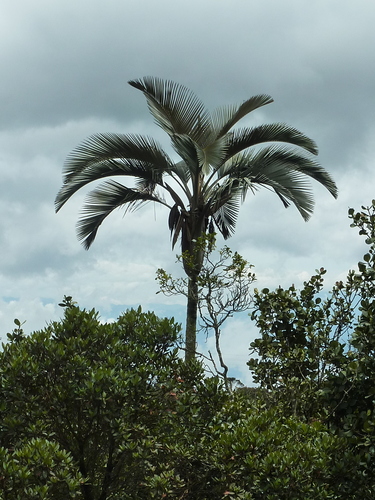
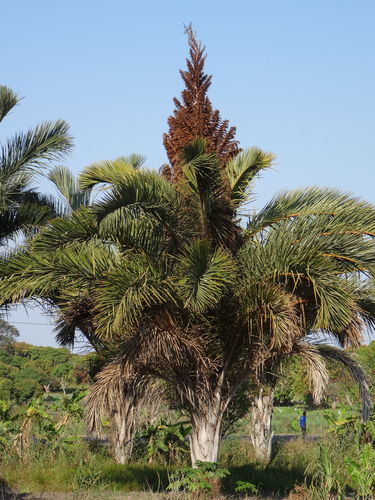
How to identify Ceroxylon parvifrons (Engel) H.Wendl.

Ceroxylon parvifrons (Engel) H.Wendl.

Ceroxylon parvifrons (Engel) H.Wendl.

Ceroxylon parvifrons is a solitary palm with a smooth grayish-white trunk, archi…

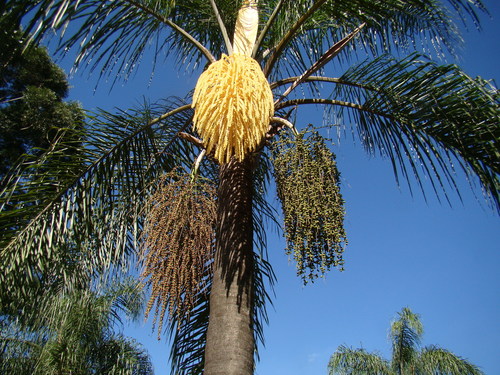
How to identify Syagrus romanzoffiana (Cham.) Glassman

Syagrus romanzoffiana (Cham.) Glassman

Syagrus romanzoffiana (Cham.) Glassman

Syagrus romanzoffiana, the queen palm, is a South American ornamental palm with …

⚠️ Poisonous
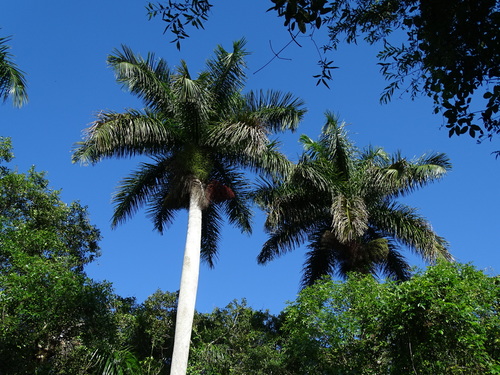
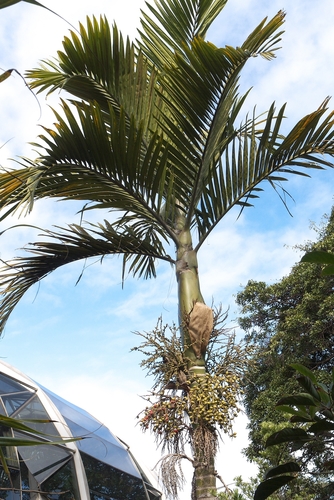
How to identify Roystonea regia (Kunth) O.F.Cook

Roystonea regia (Kunth) O.F.Cook

Roystonea regia (Kunth) O.F.Cook

Roystonea regia, the royal palm, is a large ornamental palm native to the tropic…

How to identify Raphia australis Oberm. & Strey

Raphia australis Oberm. & Strey

Raphia australis Oberm. & Strey

Raphia australis is a large single-trunked palm endemic to wet habitats in south…

How to identify Aiphanes minima (Gaertn.) Burret

Aiphanes minima (Gaertn.) Burret

Aiphanes minima (Gaertn.) Burret

Aiphanes minima is a spiny Caribbean palm, used ornamentally, with edible coconu…

How to identify Chambeyronia macrocarpa (Brongn.) Vieill. ex Becc.

Chambeyronia macrocarpa (Brongn.) Vieill. ex Becc.

Chambeyronia macrocarpa (Brongn.) Vieill. ex Becc.

Chambeyronia macrocarpa is an endemic New Caledonian palm, commonly called red l…

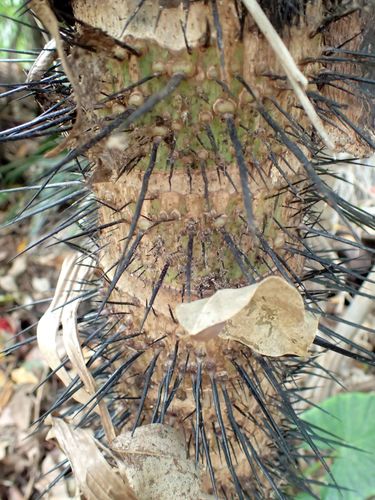
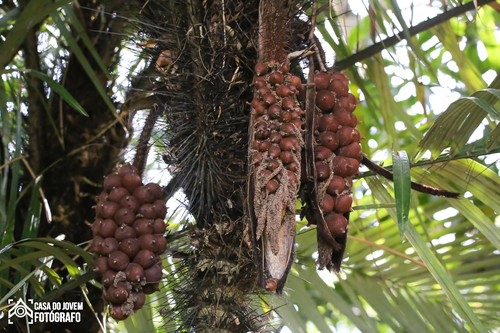
How to identify Astrocaryum aculeatissimum (Schott) Burret

Astrocaryum aculeatissimum (Schott) Burret

Astrocaryum aculeatissimum (Schott) Burret

Astrocaryum aculeatissimum is a spiny-trunked Brazilian palm with commercial val…

How to identify Prestoea acuminata (Willd.) H.E.Moore

Prestoea acuminata (Willd.) H.E.Moore

Prestoea acuminata (Willd.) H.E.Moore

Prestoea acuminata is a native Central American, West Indian and South American …

How to identify Chamaerops humilis L.

Chamaerops humilis L.

Chamaerops humilis L.

Chamaerops humilis (European fan palm) is a clumping Mediterranean palm with a w…

How to identify Pritchardia glabrata Becc. & Rock

Pritchardia glabrata Becc. & Rock

Pritchardia glabrata Becc. & Rock

Pritchardia glabrata is a small palm species endemic to the Hawaiian islands of …

Browse all 173 Arecaceae species →

Frequently Asked Questions

How do you identify Arecaceae?

Arecaceae plants belong to the Arecales order in the Plantae kingdom. Mature fruits are smooth and distinctly orange-red, growing in compact clusters that create a sharp contrast with the plant's green canopy. For instant identification, use the iNature app — AI-powered and works offline.

What are the key characteristics of Arecaceae?

Arecaceae is classified in the order Arecales, class Liliopsida, phylum Tracheophyta. With its sturdy trunk and clearly defined, regularly arranged foliage, this palm has a distinctive elegant form in its natural habitat.

⚠️ Are any Arecaceae species poisonous?

Yes, some Arecaceae species are toxic or poisonous. Always exercise caution with unknown specimens. View poisonous Arecaceae species or browse the full poisonous species guide.

Sources: GBIF, iNaturalist, Wikipedia · Disclaimer

Start Exploring Nature Today

Download iNature for free. 10 identifications on us. No account needed. No credit card required.

Download Free on App Store