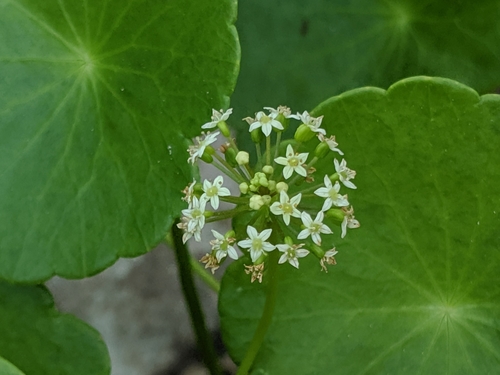
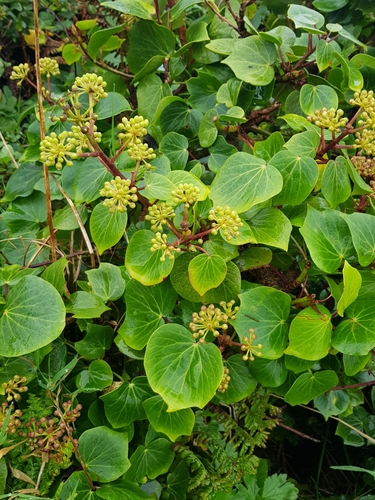
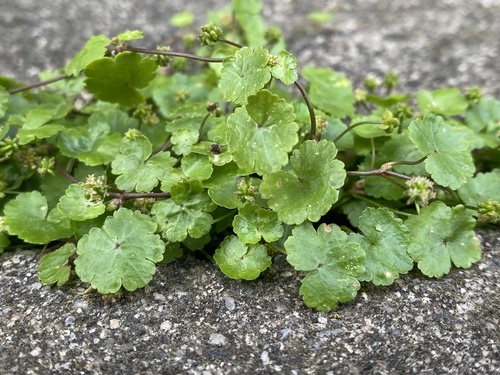
How to Identify Araliaceae

Araliaceae is a plant family in the Plantae kingdom, order Apiales, class Magnoliopsida. The family contains 132 accepted species worldwide. Some species in this family are toxic — exercise caution when handling unknown specimens.

Key Identification Features

For instant identification in the field, use the iNature app — AI-powered, works offline.
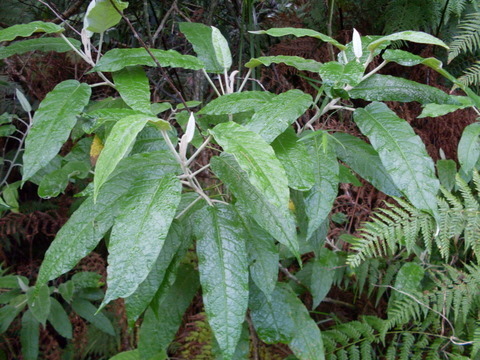
Representative Araliaceae Species

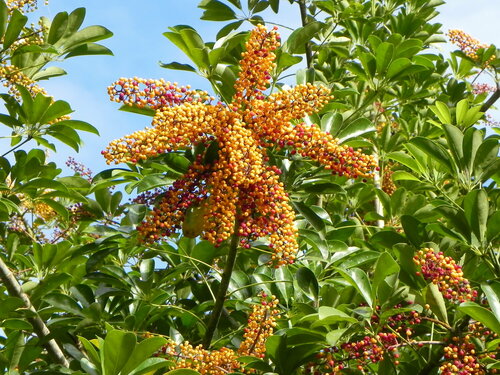
How to identify Astrotricha latifolia Benth.

Astrotricha latifolia Benth.

Astrotricha latifolia Benth.

Astrotricha latifolia is a large Australian shrub found in wet forests and rainf…

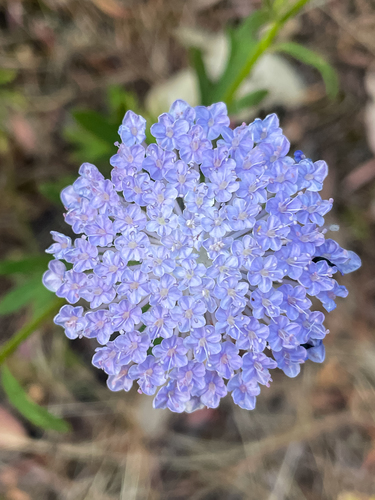
How to identify Trachymene coerulea Graham

Trachymene coerulea Graham

Trachymene coerulea Graham

Trachymene coerulea, the blue-lace flower, is an endemic Western Australian Aral…

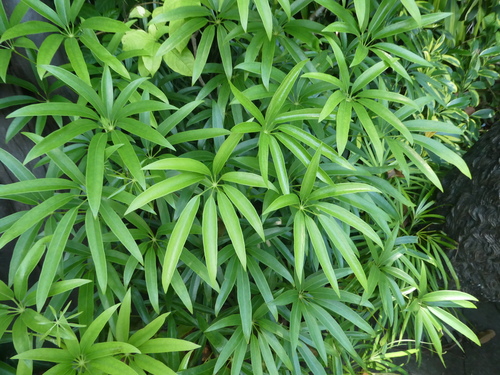
How to identify Heptapleurum taiwanianum (Nakai) G.M.Plunkett & Lowry

Heptapleurum taiwanianum (Nakai) G.M.Plunkett & Lowry

Heptapleurum taiwanianum (Nakai) G.M.Plunkett & Lowry

Heptapleurum taiwanianum is a Taiwanese evergreen ornamental flowering plant in …

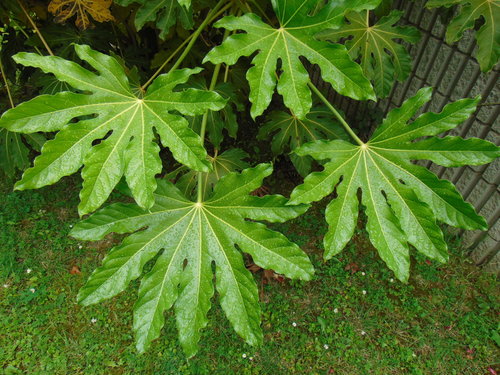
How to identify Fatsia japonica (Thunb.) Decne. & Planch.

Fatsia japonica (Thunb.) Decne. & Planch.

Fatsia japonica (Thunb.) Decne. & Planch.

Fatsia japonica is an evergreen ornamental shrub grown outdoors and indoors, wit…

How to identify Panax quinquefolius L.

Panax quinquefolius L.

Panax quinquefolius L.

Panax quinquefolius L. (American ginseng) is a perennial araliaceous herb with a…

⚠️ Poisonous
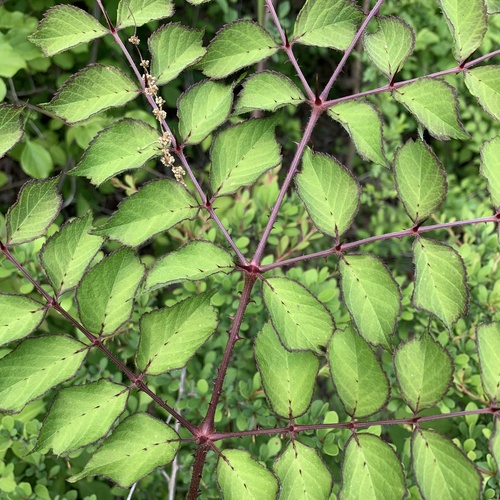
How to identify Aralia elata (Miq.) Seem.

Aralia elata (Miq.) Seem.

Aralia elata (Miq.) Seem.

Aralia elata is an upright deciduous small tree or shrub that is often cultivate…

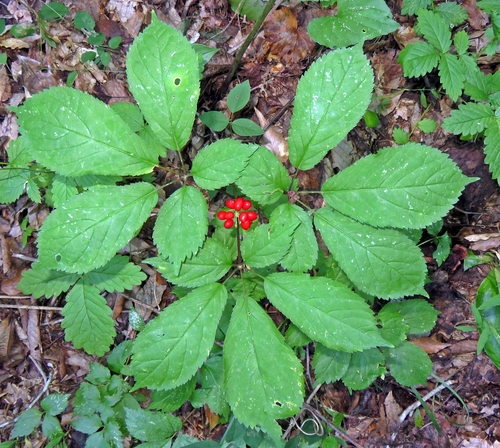
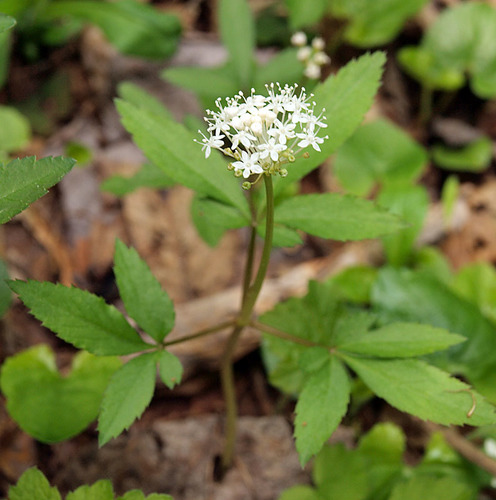
How to identify Panax trifolius L.

Panax trifolius L.

Panax trifolius L.

Panax trifolius L. is a small North American woodland herb historically used for…

How to identify Heptapleurum arboricola Hayata

Heptapleurum arboricola Hayata

Heptapleurum arboricola Hayata

Heptapleurum arboricola is an evergreen shrub native to Taiwan, widely grown as …

⚠️ Poisonous
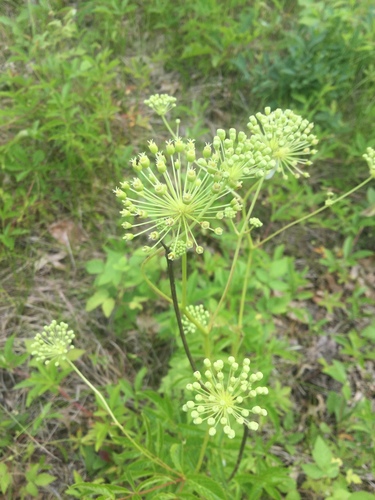
How to identify Aralia hispida Vent.

Aralia hispida Vent.

Aralia hispida Vent.

Aralia hispida Vent., or bristly sarsaparilla, is a perennial Araliaceae species…

How to identify Hydrocotyle umbellata L.

Hydrocotyle umbellata L.

Hydrocotyle umbellata L.

Hydrocotyle umbellata L. is an aquatic creeping/floating succulent herb with pel…

How to identify Hedera azorica Carrière

Hedera azorica Carrière

Hedera azorica Carrière

Hedera azorica (Azores ivy) is an evergreen climbing ivy endemic to the Azores I…

How to identify Hydrocotyle sibthorpioides Lam.

Hydrocotyle sibthorpioides Lam.

Hydrocotyle sibthorpioides Lam.

Hydrocotyle sibthorpioides is a small flowering plant widely used in traditional…

⚠️ Poisonous
Browse all 132 Araliaceae species →

Frequently Asked Questions

How do you identify Araliaceae?

Araliaceae plants belong to the Apiales order in the Plantae kingdom. Aralia elata is cultivated, often in variegated forms, for its distinctive exotic appearance. For instant identification, use the iNature app — AI-powered and works offline.

What are the key characteristics of Araliaceae?

Araliaceae is classified in the order Apiales, class Magnoliopsida, phylum Tracheophyta. Each flower has inconspicuous involucral bracts at its base, and indistinct sepals.

⚠️ Are any Araliaceae species poisonous?

Yes, some Araliaceae species are toxic or poisonous. Always exercise caution with unknown specimens. View poisonous Araliaceae species or browse the full poisonous species guide.

Sources: GBIF, iNaturalist, Wikipedia · Disclaimer

Start Exploring Nature Today

Download iNature for free. 10 identifications on us. No account needed. No credit card required.

Download Free on App Store