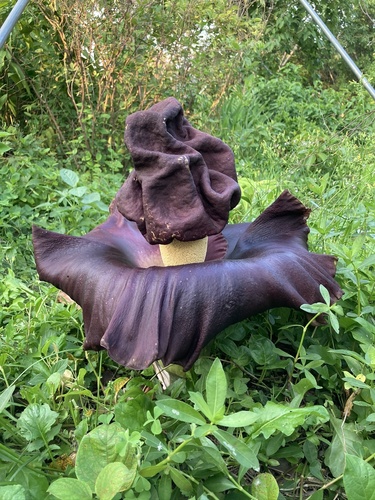
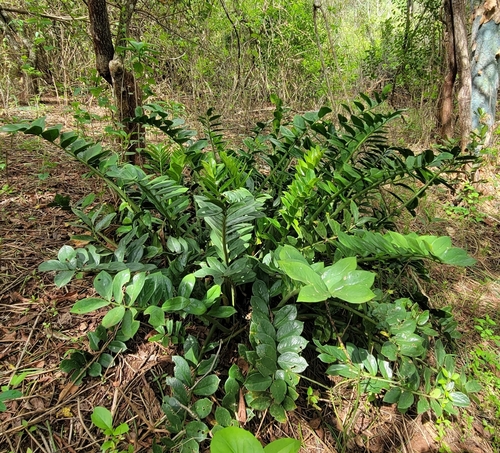
How to Identify Araceae

Araceae is a plant family in the Plantae kingdom, order Alismatales, class Liliopsida. The family contains 189 accepted species worldwide. Some species in this family are toxic — exercise caution when handling unknown specimens.

Key Identification Features

For instant identification in the field, use the iNature app — AI-powered, works offline.
Representative Araceae Species

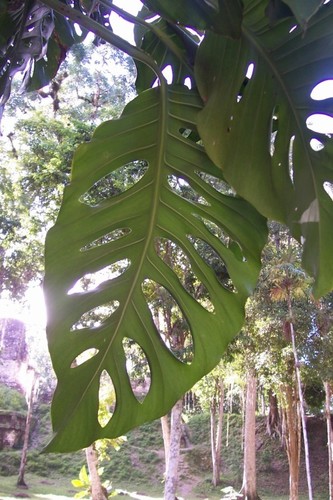
How to identify Monstera pinnatipartita Schott

Monstera pinnatipartita Schott

Monstera pinnatipartita Schott

Monstera pinnatipartita is a pinnate-leaved flowering Monstera native to tropica…

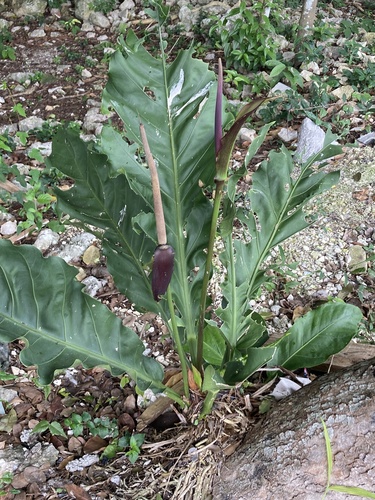
How to identify Anthurium ochranthum K.Koch

Anthurium ochranthum K.Koch

Anthurium ochranthum K.Koch

Anthurium ochranthum is a flowering plant species in the Araceae family, found f…

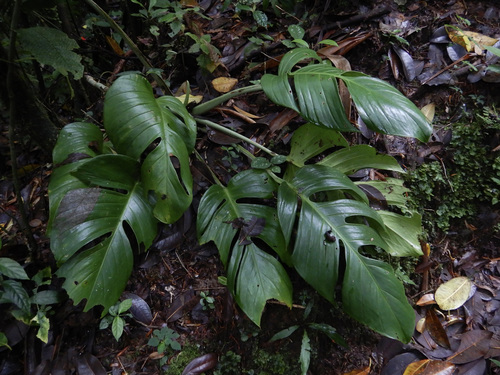
How to identify Monstera acuminata K.Koch

Monstera acuminata K.Koch

Monstera acuminata K.Koch

Monstera acuminata is a hemiepiphytic aroid that starts as a prostrate ground pl…

How to identify Anthurium schlechtendalii Kunth

Anthurium schlechtendalii Kunth

Anthurium schlechtendalii Kunth

Anthurium schlechtendalii Kunth is a large herbaceous plant species from the Ant…

How to identify Monstera monteverdensis M.Cedeño & Croat

Monstera monteverdensis M.Cedeño & Croat

Monstera monteverdensis M.Cedeño & Croat

Monstera monteverdensis is a flowering arum plant native to Costa Rica, often co…

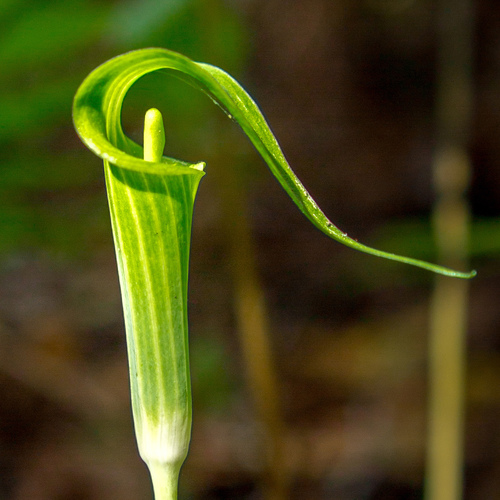
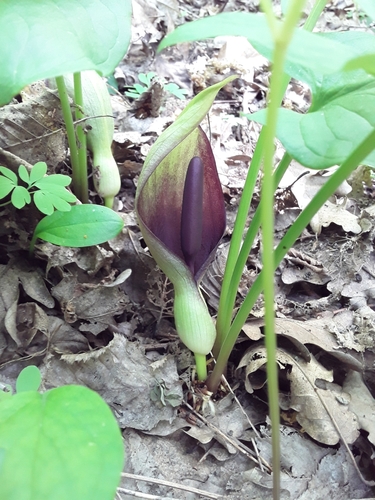
How to identify Arisaema acuminatum Small

Arisaema acuminatum Small

Arisaema acuminatum Small

Arisaema acuminatum, Florida Jack-in-the-pulpit, is a corm-grown perennial herb …

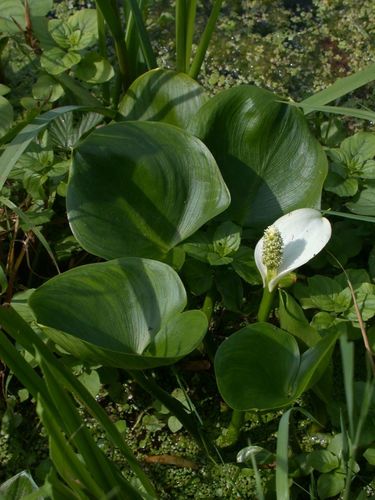
How to identify Calla palustris L.

Calla palustris L.

Calla palustris L.

Calla palustris L. is a poisonous bog-growing perennial with white spathes and r…

⚠️ Poisonous
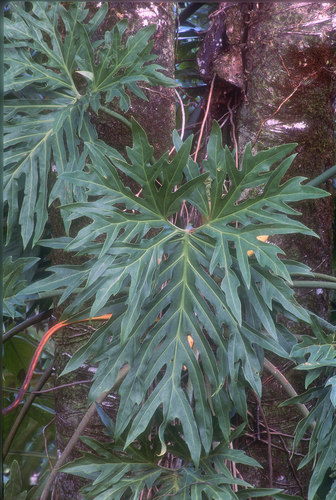
How to identify Philodendron radiatum Schott

Philodendron radiatum Schott

Philodendron radiatum Schott

Philodendron radiatum is a deep-lobed-leaved root-climbing aroid rainforest vine…

How to identify Arum concinnatum Schott

Arum concinnatum Schott

Arum concinnatum Schott

Arum concinnatum (Crete arum) is an Araceae flowering plant native to the easter…

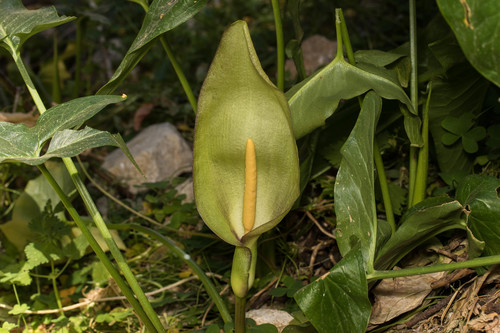
How to identify Arum orientale M.Bieb.

Arum orientale M.Bieb.

Arum orientale M.Bieb.

Arum orientale M.Bieb. is a poisonous aroid with insect-trapping flowers that gr…

⚠️ Poisonous
How to identify Amorphophallus paeoniifolius (Dennst.) Nicolson

Amorphophallus paeoniifolius (Dennst.) Nicolson

Amorphophallus paeoniifolius (Dennst.) Nicolson

Amorphophallus paeoniifolius is a large tuberous edible herb widely used as food…

How to identify Zamioculcas zamiifolia (G.Lodd.) Engl.

Zamioculcas zamiifolia (G.Lodd.) Engl.

Zamioculcas zamiifolia (G.Lodd.) Engl.

This is a detailed description of the aroid houseplant Zamioculcas zamiifolia, c…

Browse all 189 Araceae species →

Frequently Asked Questions

How do you identify Araceae?

Araceae plants belong to the Alismatales order in the Plantae kingdom. The plant's spathe hood is entirely green, measures over twice as long as it is broad, and ends in a distinctly long-acuminate tip. For instant identification, use the iNature app — AI-powered and works offline.

What are the key characteristics of Araceae?

Araceae is classified in the order Alismatales, class Liliopsida, phylum Tracheophyta. The coloring of the spathe interior is another distinct characteristic of Arum orientale.

⚠️ Are any Araceae species poisonous?

Yes, some Araceae species are toxic or poisonous. Always exercise caution with unknown specimens. View poisonous Araceae species or browse the full poisonous species guide.

Sources: GBIF, iNaturalist, Wikipedia · Disclaimer

Start Exploring Nature Today

Download iNature for free. 10 identifications on us. No account needed. No credit card required.

Download Free on App Store