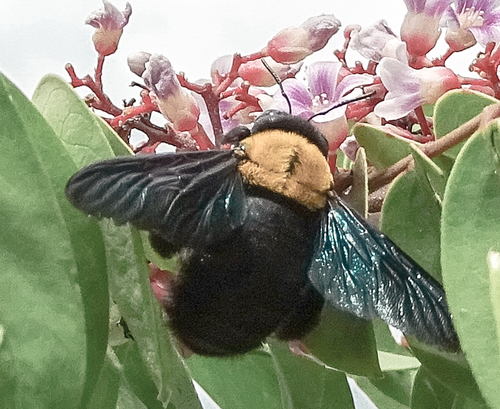
How to Identify Apidae — Bee Family

Apidae (Bee Family) is a animal family in the Animalia kingdom, order Hymenoptera, class Insecta. The family contains 394 accepted species worldwide.

Key Identification Features

For instant identification in the field, use the iNature app — AI-powered, works offline.
Representative Apidae Species

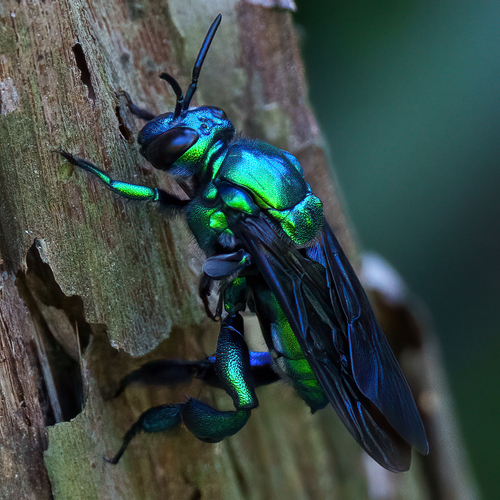
How to identify Exaerete smaragdina (Guérin-Méneville, 1844)

Exaerete smaragdina (Guérin-Méneville, 1844)

Exaerete smaragdina (Guérin-Méneville, 1844)

Exaerete smaragdina is a metallic green cuckoo bee species ranging from Mexico t…

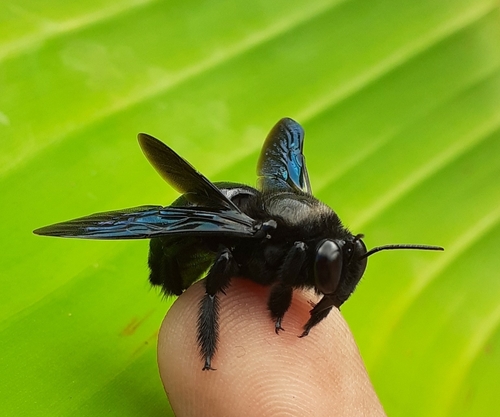
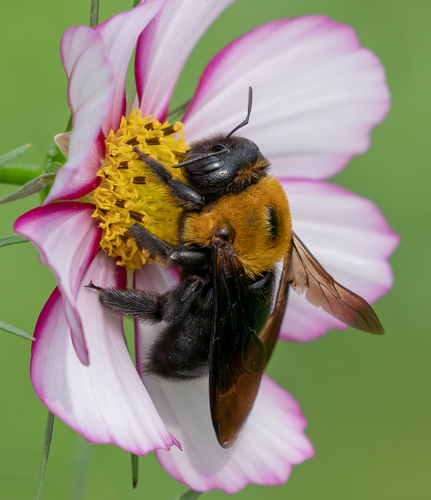
How to identify Xylocopa fenestrata (Fabricius, 1798)

Xylocopa fenestrata (Fabricius, 1798)

Xylocopa fenestrata (Fabricius, 1798)

Xylocopa fenestrata is a widely distributed carpenter bee that is a timber pest …

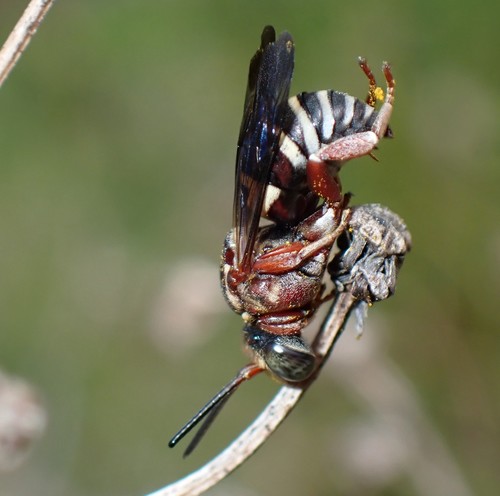
How to identify Epeolus autumnalis Robertson, 1902

Epeolus autumnalis Robertson, 1902

Epeolus autumnalis Robertson, 1902

Epeolus autumnalis is a cuckoo bee species in the Apidae family found in North A…

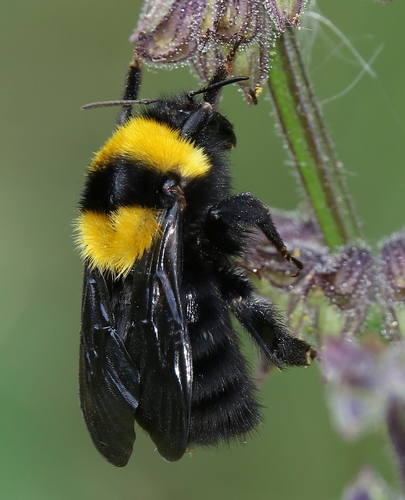
How to identify Bombus argillaceus (Scopoli, 1763)

Bombus argillaceus (Scopoli, 1763)

Bombus argillaceus (Scopoli, 1763)

Bombus argillaceus is a large bumblebee found from southern Europe to central As…

How to identify Anthophora plagiata (Illiger, 1806)

Anthophora plagiata (Illiger, 1806)

Anthophora plagiata (Illiger, 1806)

Anthophora plagiata is an Apidae insect species native to Eurasia, found in 10 E…

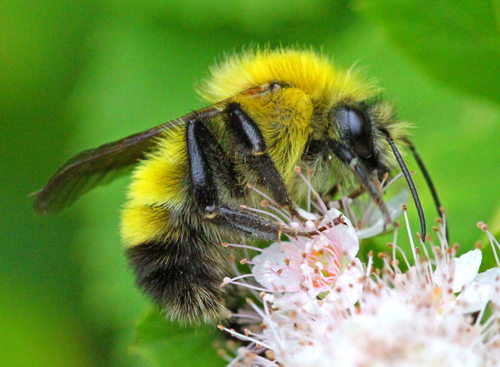
How to identify Bombus perplexus Cresson, 1863

Bombus perplexus Cresson, 1863

Bombus perplexus Cresson, 1863

Bombus perplexus, the confusing bumblebee, is a northern North American bumblebe…

How to identify Xylocopa appendiculata Smith, 1852

Xylocopa appendiculata Smith, 1852

Xylocopa appendiculata Smith, 1852

Xylocopa appendiculata is a carpenter bee native to eastern Asia, first recorded…

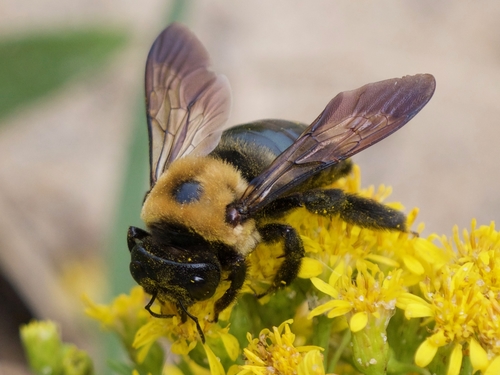
How to identify Xylocopa virginica (Linnaeus, 1771)

Xylocopa virginica (Linnaeus, 1771)

Xylocopa virginica (Linnaeus, 1771)

Xylocopa virginica, the eastern carpenter bee, is a North American bee with one …

How to identify Triepeolus rufithorax Graenicher, 1928

Triepeolus rufithorax Graenicher, 1928

Triepeolus rufithorax Graenicher, 1928

Triepeolus rufithorax is a cuckoo bee species in the Apidae family found in Nort…

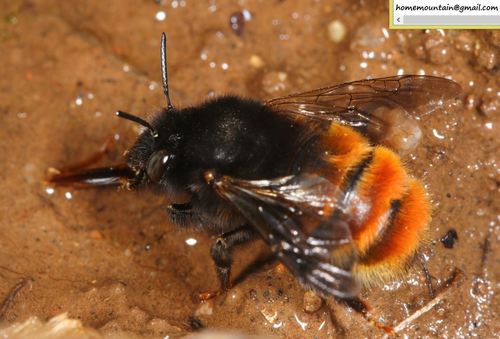
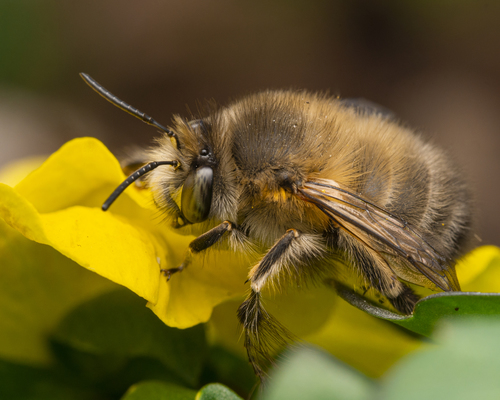
How to identify Anthophora plumipes (Pallas, 1772)

Anthophora plumipes (Pallas, 1772)

Anthophora plumipes (Pallas, 1772)

Anthophora plumipes is a sexually dimorphic hairy bee species with a wide Eurasi…

How to identify Melitoma taurea (Say, 1837)

Melitoma taurea (Say, 1837)

Melitoma taurea (Say, 1837)

Melitoma taurea, the mallow bee, is a North American chimney bee species in the …

How to identify Xylocopa aestuans (Linnaeus, 1758)

Xylocopa aestuans (Linnaeus, 1758)

Xylocopa aestuans (Linnaeus, 1758)

Xylocopa aestuans is a large carpenter bee species widely distributed in Southea…

Browse all 394 Apidae species →

Frequently Asked Questions

How do you identify Apidae?

Apidae animals belong to the Hymenoptera order in the Animalia kingdom. Females of different social standing can also be distinguished by their physical traits: primary females are larger than secondary or tertiary females, and show more mandibular and wing wear. For instant identification, use the iNature app — AI-powered and works offline.

What are the key characteristics of Apidae?

Apidae is classified in the order Hymenoptera, class Insecta, phylum Arthropoda. This species has distinctive maxillae adapted to make perforations in corolla tubes to reach nectaries.

Sources: GBIF, iNaturalist, Wikipedia · Disclaimer

Start Exploring Nature Today

Download iNature for free. 10 identifications on us. No account needed. No credit card required.

Download Free on App Store