How to Identify Apiaceae — Carrot Family

Apiaceae (Carrot Family) is a plant family in the Plantae kingdom, order Apiales, class Magnoliopsida. The family contains 564 accepted species worldwide. Some species in this family are toxic — exercise caution when handling unknown specimens.

Key Identification Features

For instant identification in the field, use the iNature app — AI-powered, works offline.
Representative Apiaceae Species

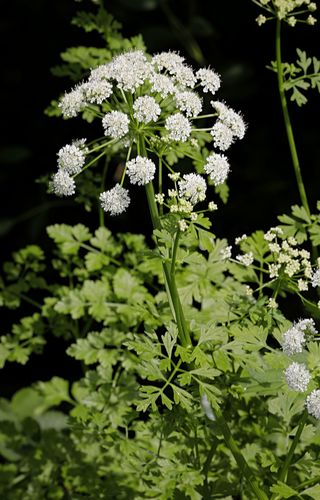
How to identify Gingidia montana (J.R.Forst. & G.Forst.) J.W.Dawson

Gingidia montana (J.R.Forst. & G.Forst.) J.W.Dawson

Gingidia montana (J.R.Forst. & G.Forst.) J.W.Dawson

Gingidia montana is a distinguishable plant species native to New Zealand with a…

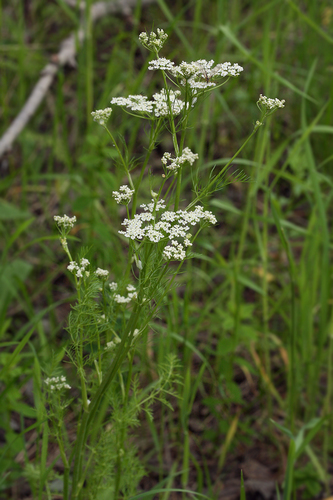
How to identify Oenanthe crocata L.

Oenanthe crocata L.

Oenanthe crocata L.

Oenanthe crocata (hemlock water-dropwort) is a toxic European perennial wetland …

⚠️ Poisonous
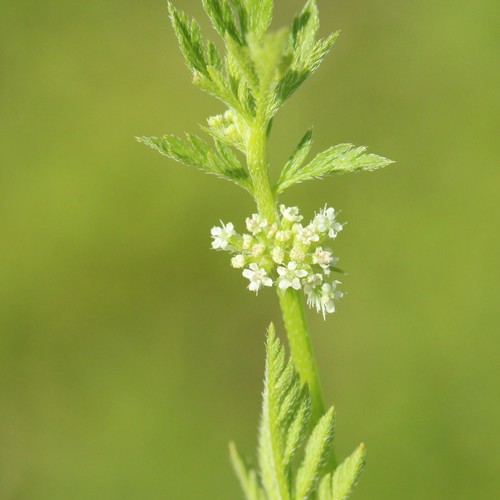
How to identify Carum carvi L.

Carum carvi L.

Carum carvi L.

Carum carvi L., or caraway, is a widely cultivated carrot family plant grown for…

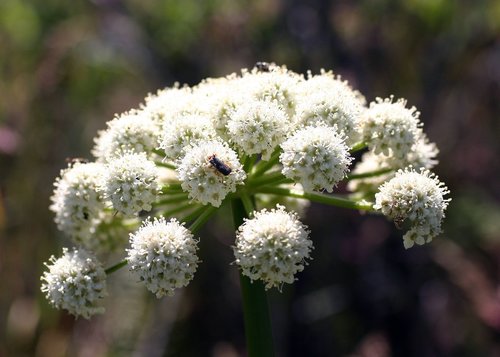
How to identify Torilis nodosa (L.) Gaertn.

Torilis nodosa (L.) Gaertn.

Torilis nodosa (L.) Gaertn.

Torilis nodosa, or knotted hedgeparsley, is an annual weedy flowering Apiaceae n…

How to identify Angelica hendersonii J.M.Coult. & Rose

Angelica hendersonii J.M.Coult. & Rose

Angelica hendersonii J.M.Coult. & Rose

Henderson's angelica, Angelica hendersonii, is a taprooted perennial herb native…

How to identify Angelica arguta Nutt.

Angelica arguta Nutt.

Angelica arguta Nutt.

Angelica arguta Nutt., or Lyall's angelica, is a taprooted perennial herb native…

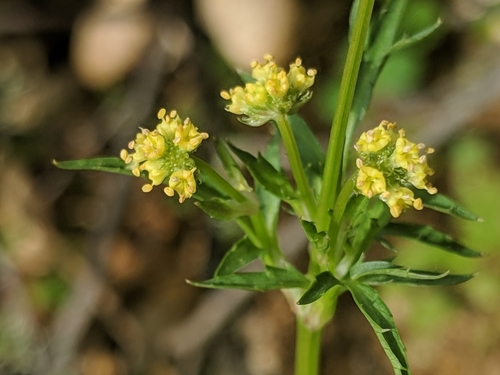
How to identify Sanicula bipinnata Hook. & Arn.

Sanicula bipinnata Hook. & Arn.

Sanicula bipinnata Hook. & Arn.

Sanicula bipinnata is an apiaceous plant with an undeserved toxic reputation, us…

⚠️ Poisonous
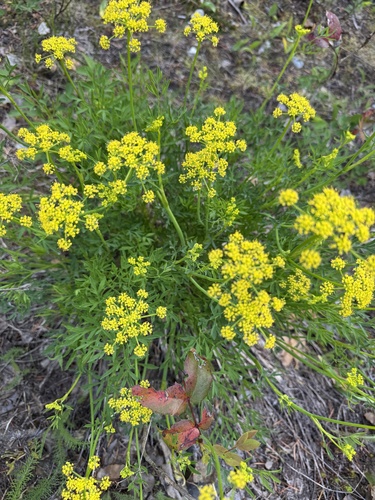
How to identify Lomatium brandegeei (J.M.Coult. & Rose) J.F.Macbr.

Lomatium brandegeei (J.M.Coult. & Rose) J.F.Macbr.

Lomatium brandegeei (J.M.Coult. & Rose) J.F.Macbr.

Lomatium brandegeei is a yellow-flowered perennial herb native to open and spars…

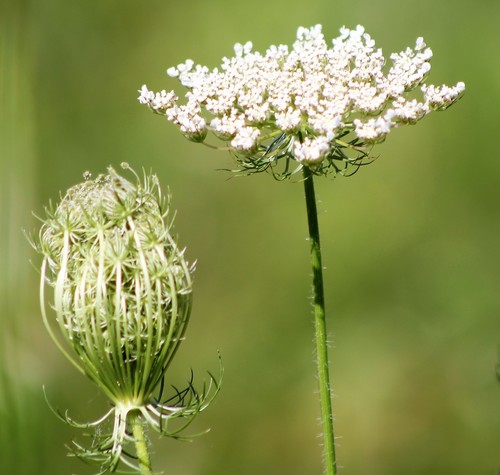
How to identify Daucus carota L.

Daucus carota L.

Daucus carota L.

Daucus carota L. (wild carrot) is an edible, variable biennial herb native to Eu…

⚠️ Poisonous
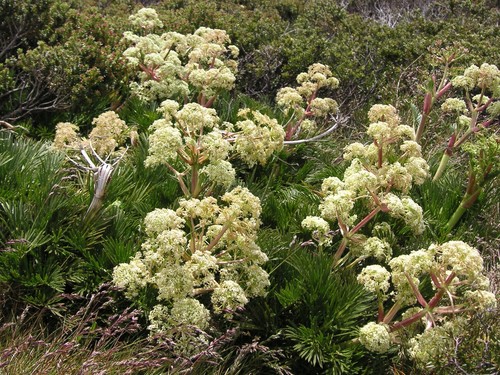
How to identify Aciphylla glacialis F.Muell. ex Benth.

Aciphylla glacialis F.Muell. ex Benth.

Aciphylla glacialis F.Muell. ex Benth.

Aciphylla glacialis F.Muell. ex Benth. is an alpine to subalpine plant native to…

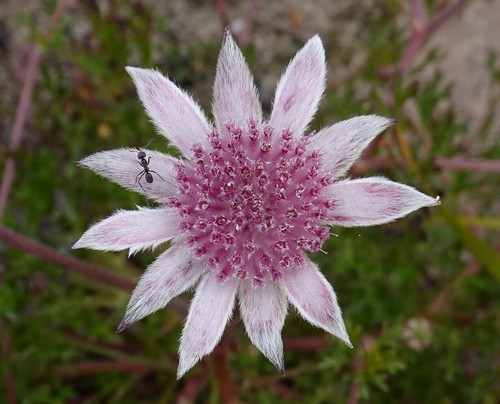
How to identify Actinotus forsythii Maiden & Betche

Actinotus forsythii Maiden & Betche

Actinotus forsythii Maiden & Betche

Actinotus forsythii is a trailing wiry herbaceous perennial that grows in damp s…

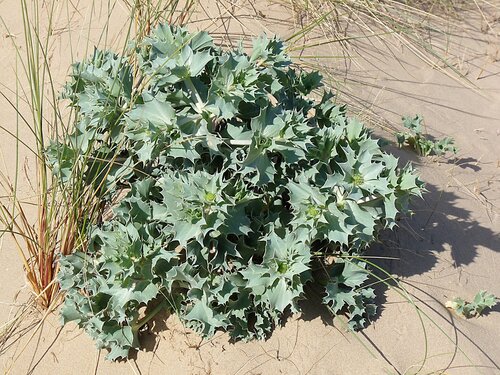
How to identify Eryngium maritimum L.

Eryngium maritimum L.

Eryngium maritimum L.

Eryngium maritimum (sea holly) is a coastal xerophytic perennial with traditiona…

Browse all 564 Apiaceae species →

Frequently Asked Questions

How do you identify Apiaceae?

Apiaceae plants belong to the Apiales order in the Plantae kingdom. Its glabrous, deflexed fruits measure about 1 cm long, and feature ridges along with narrow lateral wings. For instant identification, use the iNature app — AI-powered and works offline.

What are the key characteristics of Apiaceae?

Apiaceae is classified in the order Apiales, class Magnoliopsida, phylum Tracheophyta. There are 7–13 three-forked or pinnate bracts below the umbel, a feature that separates this plant from other white-flowered umbellifers.

⚠️ Are any Apiaceae species poisonous?

Yes, some Apiaceae species are toxic or poisonous. Always exercise caution with unknown specimens. View poisonous Apiaceae species or browse the full poisonous species guide.

Sources: GBIF, iNaturalist, Wikipedia · Disclaimer

Start Exploring Nature Today

Download iNature for free. 10 identifications on us. No account needed. No credit card required.

Download Free on App Store